Disease Resistant Apples
Our apple trees, like many fruit trees, are propagated by grafting. There are 2 parts to an apple tree. A Scion, which is the fruiting part of the tree, gives you the variety of apple, and the Rootstock, which influences the mature size of the tree and hardiness of the tree, determines the time it takes for the tree to fruit. We sell Standard, Semi-dwarf, Dwarf and Mini-dwarf trees that do not require a lot of space but will bear large fruit.
- Trees must be planted in well drained soil
- 6 hours of sunlight Full sun preferred
- Stake all trees for the first 2 years. Dwarfs must have permanent stakes
- Tree guards should be used
- Plant at least 2 Different apples trees for Cross Pollination
- Plant disease resistant trees for less maintenance
We categorize our apple trees into at least five sizes: Petite, Maiden, Field Ready, Hand Select, and Container depending on the size of the tree. The Petite tree is our smallest graded tree less than 2 years in age; Maiden trees are usually 2 years old and are branchless. These are also called whips and will bear in 2-3 years. A Field Ready tree is 2-3 years old and might have some lateral branching, be thicker above the graft, and will bear in 1-2 years. The Hand Select trees are only about 20% of trees we have and are 3 year old trees, 6-9' tall and can be heavily branched. You can expect fruiting on a Hand Select tree in about a year.
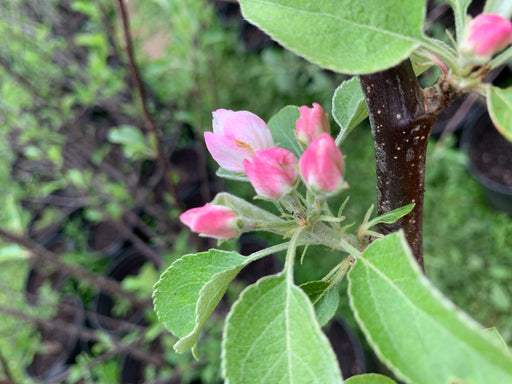
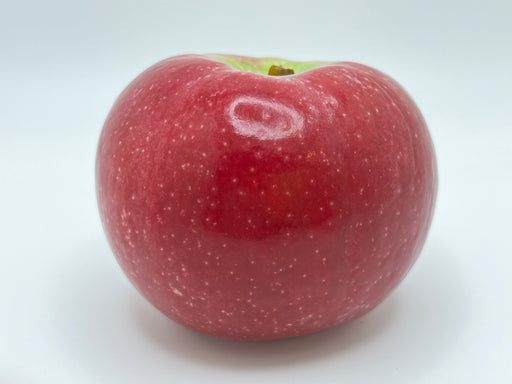
Liberty Apple Trees
Original price
$25.00
-
Original price
$79.00
Original price
$25.00
-
$79.00
$25.00
-
$79.00
Current price
$25.00
Developed in 1955 at the NYSAES as an offspring of the Macoun and Purdue 54-12 (a Japanese flowering crabapple) to create an extremely disease resi...
View full details
Original price
$25.00
-
Original price
$79.00
Original price
$25.00
-
$79.00
$25.00
-
$79.00
Current price
$25.00
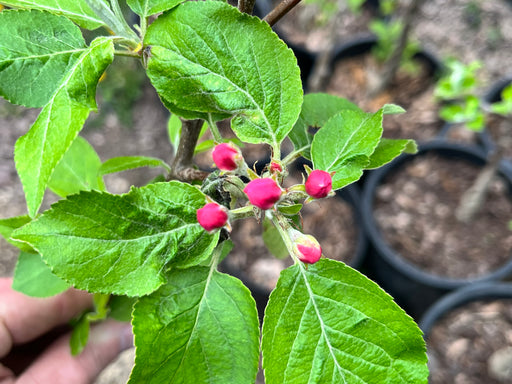
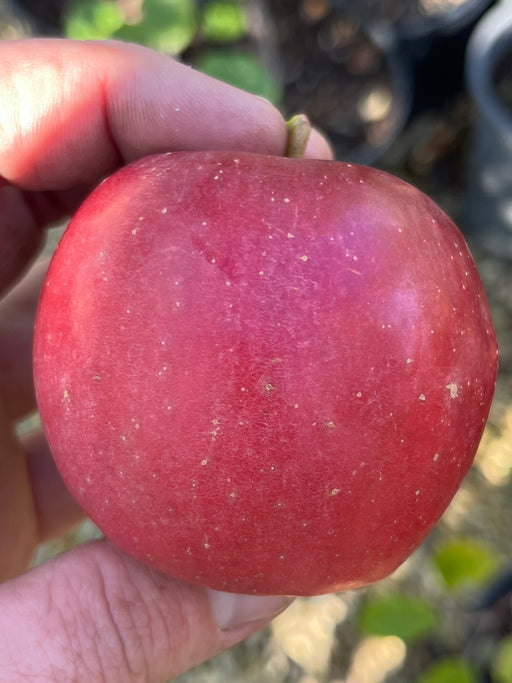
Enterprise Apple Tree
Original price
$25.00
-
Original price
$99.00
Original price
$25.00
-
$99.00
$25.00
-
$99.00
Current price
$25.00
The apple cultivar ‘Enterprise’ (Malus × domestica Borkh.) is a late-maturing, red dessert apple notable for its high fruit quality and broad-spect...
View full details
Original price
$25.00
-
Original price
$99.00
Original price
$25.00
-
$99.00
$25.00
-
$99.00
Current price
$25.00
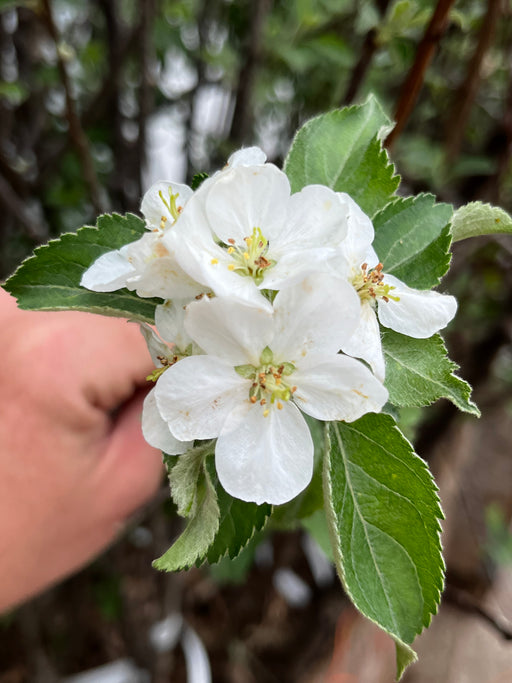
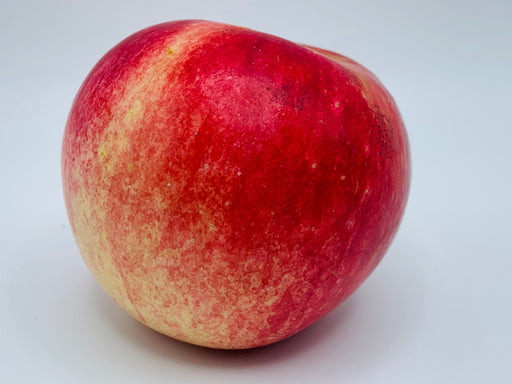
Freedom Apple Trees
Original price
$25.00
-
Original price
$79.00
Original price
$25.00
-
$79.00
$25.00
-
$79.00
Current price
$25.00
Developed from the New York State Agricultural Experiment Station in the 1950s; the Freedom Apple counts the McIntosh, Macoun, the ever prolific Go...
View full details
Original price
$25.00
-
Original price
$79.00
Original price
$25.00
-
$79.00
$25.00
-
$79.00
Current price
$25.00
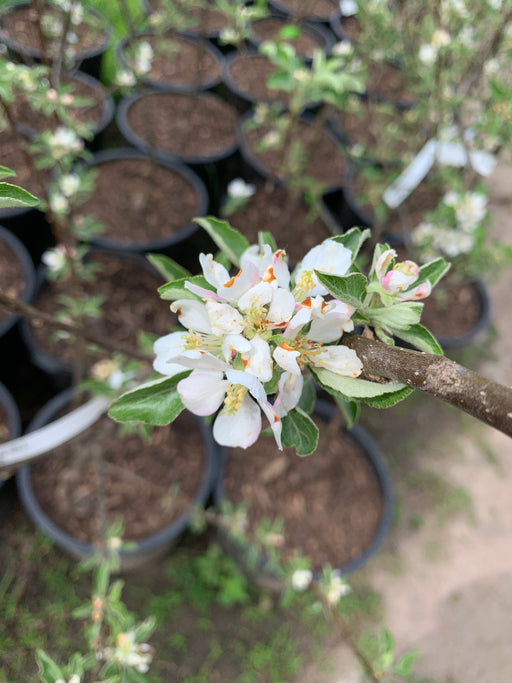
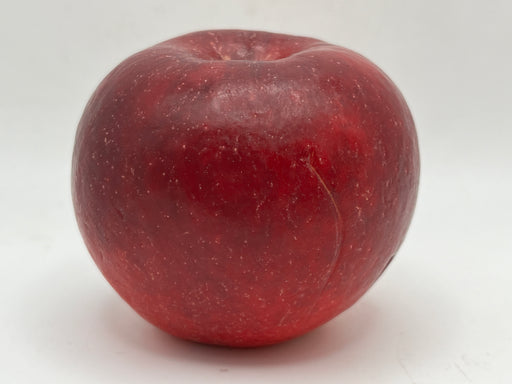
CrimsonCrisp® Apple Tree
Original price
$35.00
-
Original price
$79.00
Original price
$35.00
-
$79.00
$35.00
-
$79.00
Current price
$35.00
First created at Rutgers Fruit Research Center in New Jersey in 1971 and is a cross between apple PCF2-134 and PRI 669-205. The CrimsonCrisp® was c...
View full details
Original price
$35.00
-
Original price
$79.00
Original price
$35.00
-
$79.00
$35.00
-
$79.00
Current price
$35.00
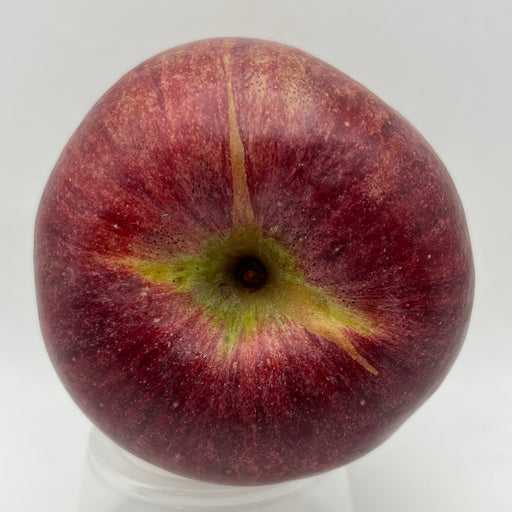
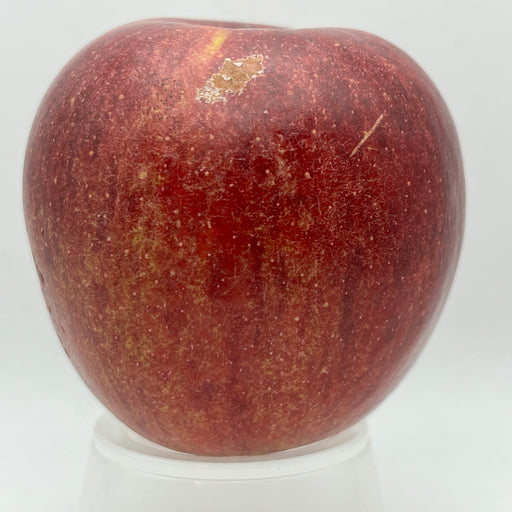
WineCrisp™ Apple Tree
Original price
$25.00
-
Original price
$99.00
Original price
$25.00
-
$99.00
$25.00
-
$99.00
Current price
$25.00
The original seeding to yield the WineCrisp™ apple tree was first crossed in 1969 by L.F. Hough at Rutgers University; he used the unremarkably nam...
View full details
Original price
$25.00
-
Original price
$99.00
Original price
$25.00
-
$99.00
$25.00
-
$99.00
Current price
$25.00
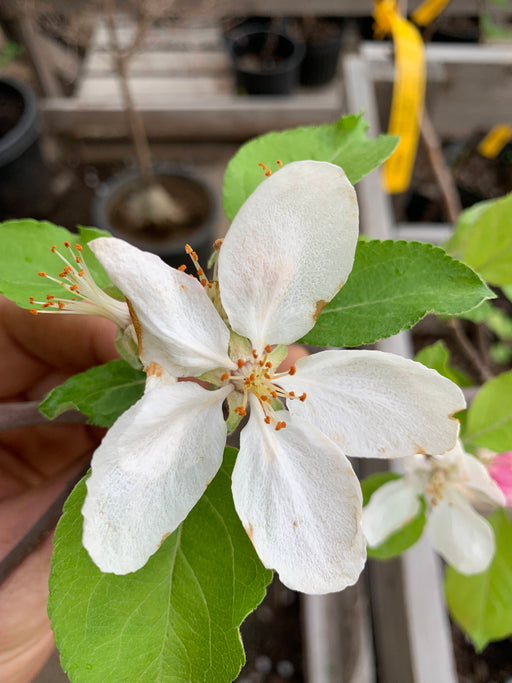
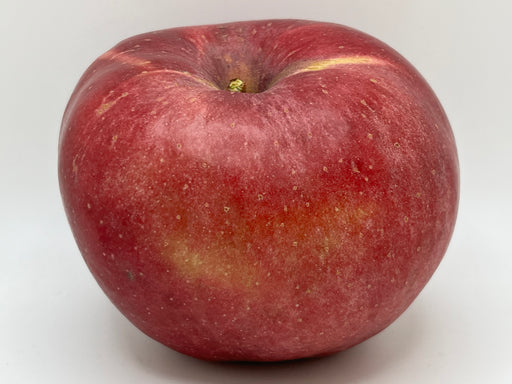
Stayman Winesap Apple Tree
Original price
$19.00
-
Original price
$79.00
Original price
$19.00
-
$79.00
$19.00
-
$79.00
Current price
$19.00
Discovered simultaneously in Kansas and Ohio in the 1870s as the most desirable sport of the much older Winesap apple tree. This particular variant...
View full details
Original price
$19.00
-
Original price
$79.00
Original price
$19.00
-
$79.00
$19.00
-
$79.00
Current price
$19.00
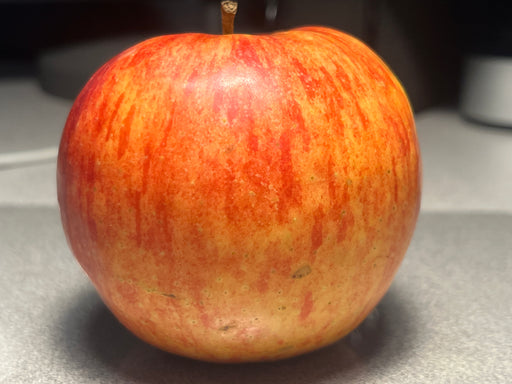
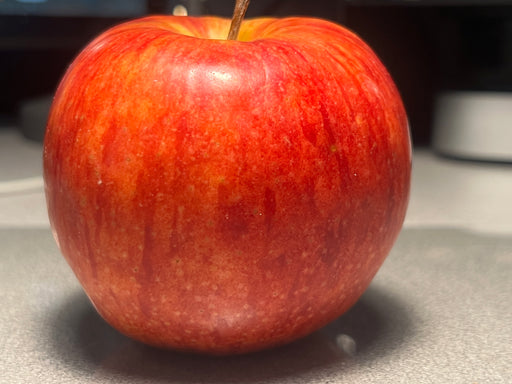
William's Pride Apple Tree
Original price
$35.00
-
Original price
$59.00
Original price
$35.00
-
$59.00
$35.00
-
$59.00
Current price
$35.00
First developed at Purdue University Breeding Program in the 1970s and released to the public in 1988, the PRI2845-1 apple is another excellent exa...
View full details
Original price
$35.00
-
Original price
$59.00
Original price
$35.00
-
$59.00
$35.00
-
$59.00
Current price
$35.00
Sold out

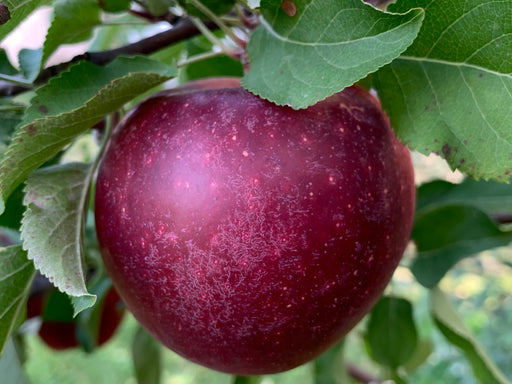
King David Apple Trees
Original price
$25.00
-
Original price
$249.00
Original price
$25.00
-
$249.00
$25.00
-
$249.00
Current price
$25.00
Discovered by chance in an orchard in Washington County, Arkansas in 1893, the King David Apple is probably an offspring of Jonathan and Arkansas B...
View full details
Original price
$25.00
-
Original price
$249.00
Original price
$25.00
-
$249.00
$25.00
-
$249.00
Current price
$25.00
Whitney Crabapple Tree
Original price
$25.00
-
Original price
$79.00
Original price
$25.00
-
$79.00
$25.00
-
$79.00
Current price
$25.00
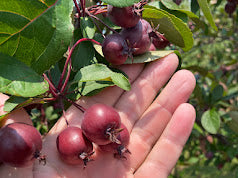
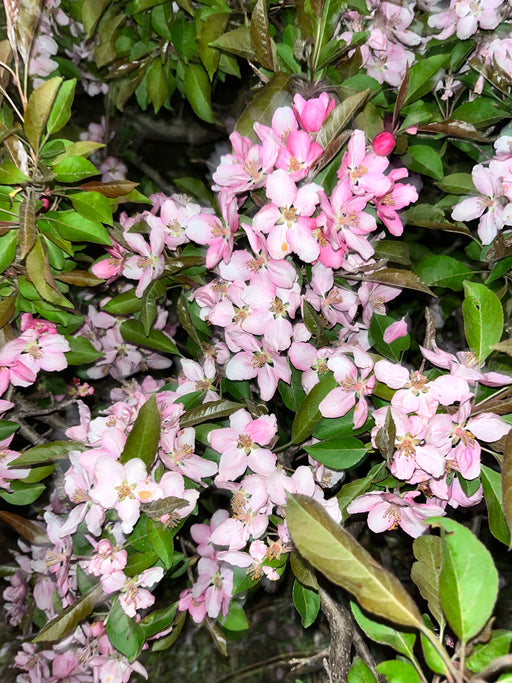
A.R. Whitney of Whitney Nursery first grew this crabapple from seed in 1865 and it is one of the only crabapples one can eat off the tree. It is pr...
View full details
Original price
$25.00
-
Original price
$79.00
Original price
$25.00
-
$79.00
$25.00
-
$79.00
Current price
$25.00

Galarina™ Apple Tree
Original price
$35.00
-
Original price
$59.00
Original price
$35.00
-
$59.00
$35.00
-
$59.00
Current price
$35.00
First crossed at the Institut National de la Recherche Agronomique in Angers, France in 1985 as a disease resistant offspring of the Gala Apple. It...
View full details
Original price
$35.00
-
Original price
$59.00
Original price
$35.00
-
$59.00
$35.00
-
$59.00
Current price
$35.00

KinderKrisp Apple Tree
Original price
$25.00
-
Original price
$59.00
Original price
$25.00
-
$59.00
$25.00
-
$59.00
Current price
$25.00
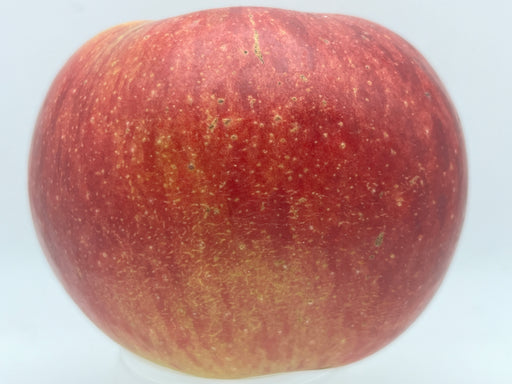
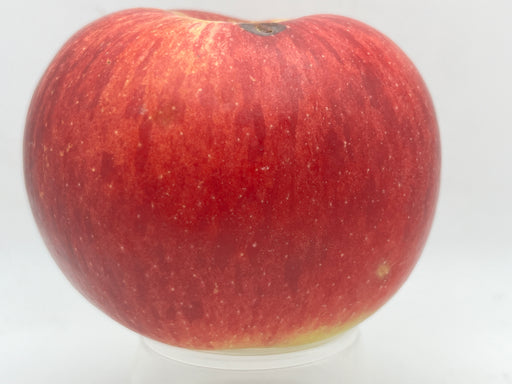
Created in South Haven, MN by David McGregor, the KinderKrisp is a new variety that was hybridized from the famous Honeycrisp Apple. Created to be ...
View full details
Original price
$25.00
-
Original price
$59.00
Original price
$25.00
-
$59.00
$25.00
-
$59.00
Current price
$25.00
Fireside Apple Trees
Original price
$25.00
-
Original price
$59.00
Original price
$25.00
-
$59.00
$25.00
-
$59.00
Current price
$25.00
A cross of McIntosh and Glogerovka developed by Charles Haralson in 1917 at University of Minnesota's Agricultural Experiment Station in Excelsior,...
View full details
Original price
$25.00
-
Original price
$59.00
Original price
$25.00
-
$59.00
$25.00
-
$59.00
Current price
$25.00

Fameuse Snow Apple Trees
Original price
$25.00
-
Original price
$249.00
Original price
$25.00
-
$249.00
$25.00
-
$249.00
Current price
$25.00
While records of this apple date back to the early 1700s, the Fameuse apple truly gained in popularity in the 1850s in Quebec, Canada due to its ex...
View full details
Original price
$25.00
-
Original price
$249.00
Original price
$25.00
-
$249.00
$25.00
-
$249.00
Current price
$25.00

Snowdrift Crabapple Tree
Original price
$35.00
-
Original price
$59.00
Original price
$35.00
-
$59.00
$35.00
-
$59.00
Current price
$35.00
Form is rounded like a lollipop with a dwarf, compact head. Disease resistant. Dense foliage with profuse white blooms. Golden-amber fruit. Persist...
View full details
Original price
$35.00
-
Original price
$59.00
Original price
$35.00
-
$59.00
$35.00
-
$59.00
Current price
$35.00
Heliodor™ Apple Trees
Original price
$35.00
-
Original price
$79.00
Original price
$35.00
-
$79.00
$35.00
-
$79.00
Current price
$35.00
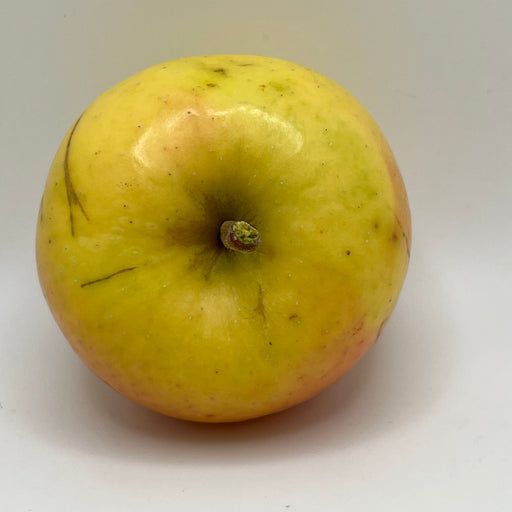
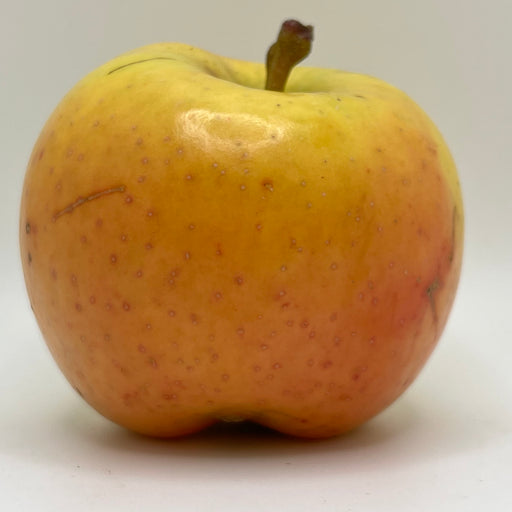
Created at the Experimental Botany in Prague in 2008, this apple is a cross between the prolific Golden Delicious and the modern Topaz apples. It i...
View full details
Original price
$35.00
-
Original price
$79.00
Original price
$35.00
-
$79.00
$35.00
-
$79.00
Current price
$35.00

Chieftain Apple Tree
Original price
$35.00
-
Original price
$79.00
Original price
$35.00
-
$79.00
$35.00
-
$79.00
Current price
$35.00
Developed in 1917 by Iowa State University but not released to the public until late 1960's. With parentage of Jonathan and Red Delicious it is sai...
View full details
Original price
$35.00
-
Original price
$79.00
Original price
$35.00
-
$79.00
$35.00
-
$79.00
Current price
$35.00
Nova Spy Apple Trees
Original price
$25.00
-
Original price
$59.00
Original price
$25.00
-
$59.00
$25.00
-
$59.00
Current price
$25.00
Developed at the Atlantic Food and Horticultural Research Centre in Kentville, Nova Scotia in 1986, the Nova Spy became commercially available in 1...
View full details
Original price
$25.00
-
Original price
$59.00
Original price
$25.00
-
$59.00
$25.00
-
$59.00
Current price
$25.00
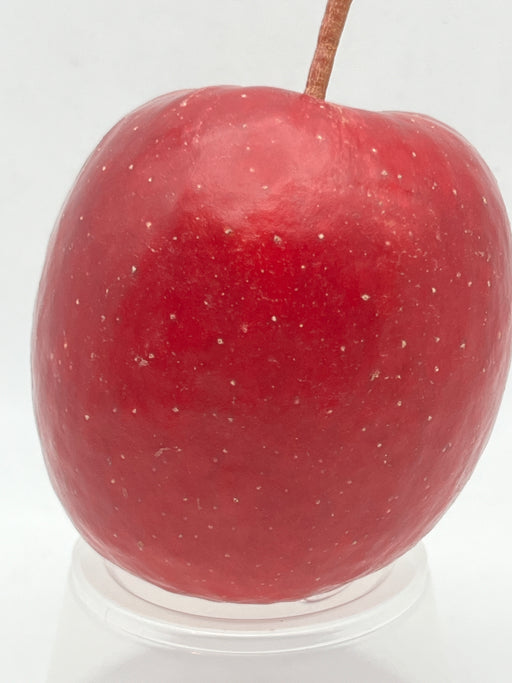
Story® Inored Apple Tree
Original price
$35.00
-
Original price
$99.00
Original price
$35.00
-
$99.00
$35.00
-
$99.00
Current price
$35.00
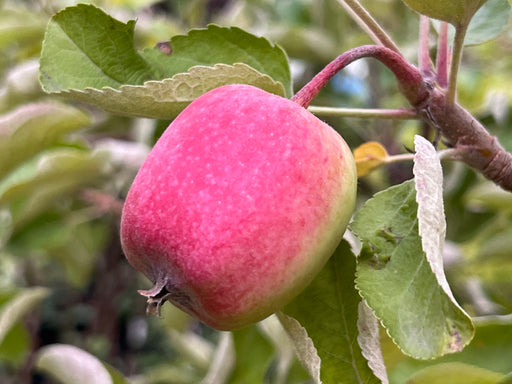
Made available to the public in the 2000s, the Story® Apple (or Story® Inored) is a disease resistant variety from the Novadi Corporation in France...
View full details
Original price
$35.00
-
Original price
$99.00
Original price
$35.00
-
$99.00
$35.00
-
$99.00
Current price
$35.00
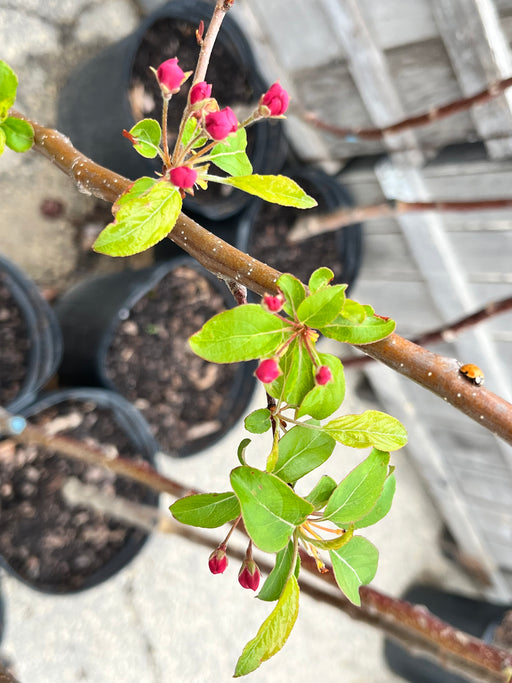
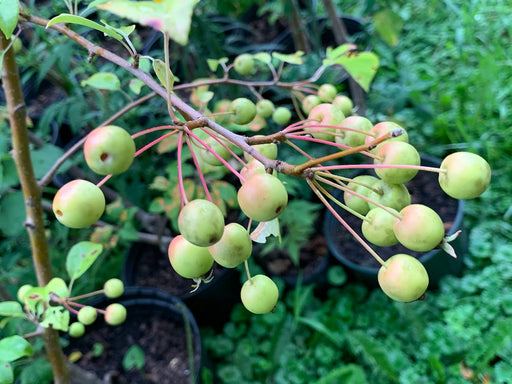
Frettingham Crabapple Trees
Original price
$35.00
-
Original price
$59.00
Original price
$35.00
-
$59.00
$35.00
-
$59.00
Current price
$35.00
A Mid- Late season bloomer, these white blossomed, single petaled crabapples are small and numerous on the tree. Excellent pollinators for apple tr...
View full details
Original price
$35.00
-
Original price
$59.00
Original price
$35.00
-
$59.00
$35.00
-
$59.00
Current price
$35.00
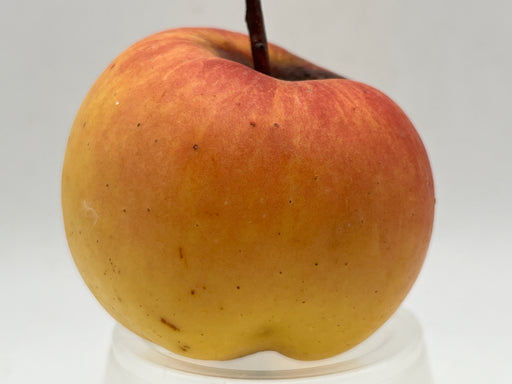
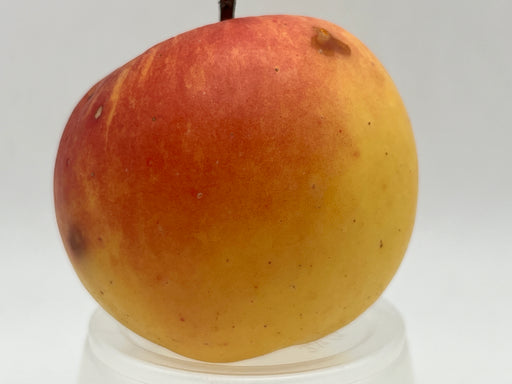
Criterion Apple Tree
Original price
$35.00
-
Original price
$99.00
Original price
$35.00
-
$99.00
$35.00
-
$99.00
Current price
$35.00
The Criterion apple was discovered as a chance seedling near Parker, WA in 1968 and is descended from the Golden Delicious, Red Delicious, and W...
View full details
Original price
$35.00
-
Original price
$99.00
Original price
$35.00
-
$99.00
$35.00
-
$99.00
Current price
$35.00
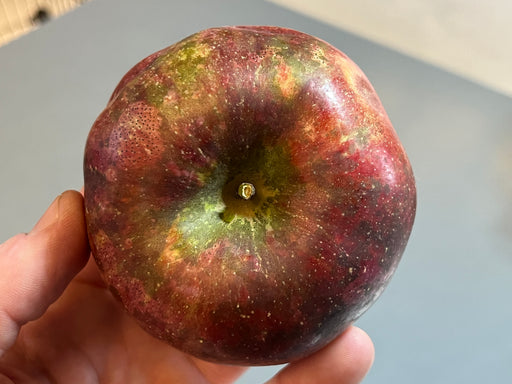
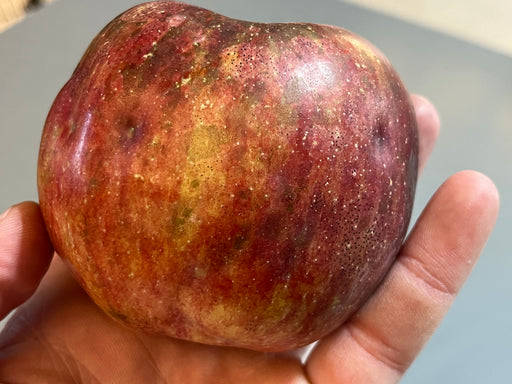
Royal Limbertwig Apple Tree
Original price
$19.00
-
Original price
$59.00
Original price
$19.00
-
$59.00
$19.00
-
$59.00
Current price
$19.00
Early 1800s Tennessee cider apple. This variety is one of several Limbertwig variants that have regained popularity in the recent decades. First tr...
View full details
Original price
$19.00
-
Original price
$59.00
Original price
$19.00
-
$59.00
$19.00
-
$59.00
Current price
$19.00
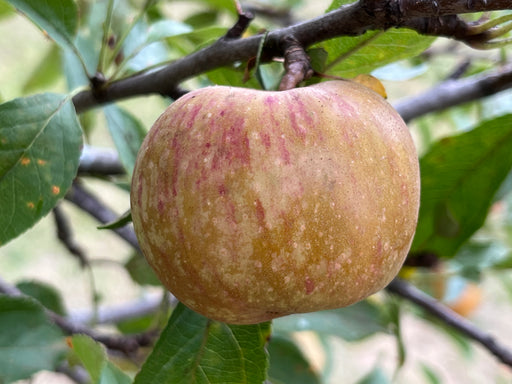
Belle de Boskoop Apple Tree
Original price
$19.00
-
Original price
$79.00
Original price
$19.00
-
$79.00
$19.00
-
$79.00
Current price
$19.00
1850s Heirloom Apple from the Netherlands. Dessert and culinary apple that keeps its shape when cooked. Generally sharper in flavor with denser fle...
View full details
Original price
$19.00
-
Original price
$79.00
Original price
$19.00
-
$79.00
$19.00
-
$79.00
Current price
$19.00
Holiday Apple Trees
Original price
$35.00
-
Original price
$59.00
Original price
$35.00
-
$59.00
$35.00
-
$59.00
Current price
$35.00
Discovered in Ohio in 1964. The offspring of the Jonathan and Macoun Apples making this apple an excellent dessert apple. USDA Zone: 4-9 Mature He...
View full details
Original price
$35.00
-
Original price
$59.00
Original price
$35.00
-
$59.00
$35.00
-
$59.00
Current price
$35.00

Akane Apple Tree
Original price
$25.00
-
Original price
$59.00
Original price
$25.00
-
$59.00
$25.00
-
$59.00
Current price
$25.00
The Akane apple, also known as "Tokyo Rose" is a Japanese-bred cultivar characterized by its early ripening, disease resistance, and balanced flavo...
View full details
Original price
$25.00
-
Original price
$59.00
Original price
$25.00
-
$59.00
$25.00
-
$59.00
Current price
$25.00