Modern Apples
Our apple trees, like many fruit trees, are propagated by bud style grafting. There are 2 parts to an apple tree. A Scion, which is the fruiting part of the tree, determining the variety and flavor profiles; and the Rootstock, the very foundation of the tree with specific characteristics that influence the mature size, cold-hardiness, any disease resistances or susceptibilities and determines the time it takes for the tree to fruit. To learn more about Rootstock characteristics visit this link or reach out to us!
There are two steps to selecting your tree:
-
First think of the MATURE tree size and the ROOTSTOCK you wish to select. The drop down menu on the page of each tree lists the availability of the MATURE tree size with the ROOTSTOCK listed first:
-
Mini-Dwarf (3-6')
-
Dwarf (6-10')
-
Semi-Dwarf (12-18')
-
Standard/Seedling (20'+)
-
-
Then, choose the SHIPPING or PICK-Up tree size most convenient for you:
- Bare Root Petite: Less than 2 years old, 1-3' tall or 3/8" caliper, are branchless, and estimated to bear in 4-5 years.
- Bare Root Maiden: 2 years old, 3-5' tall or 1/2" caliper and will bear fruit in 2-3 years.
- Bare Root Field Ready: 2-3 years old, 5-6' or 5/8" caliper and might have some lateral branching, are thicker above the graft, and will bear in 1-2 years.
-
Bare Root Hand Select: 3 year old trees, 6-9' tall or 3/4" caliper (or based on availability our Grand 1" caliper), can be branched and bear fruit in about a year.
-
Container: Branched, rooted in pots, and often larger trees in size from 5-12'. Available for pick-up at our Gays Mills, WI location and delivery within 200 miles to our noted zones.
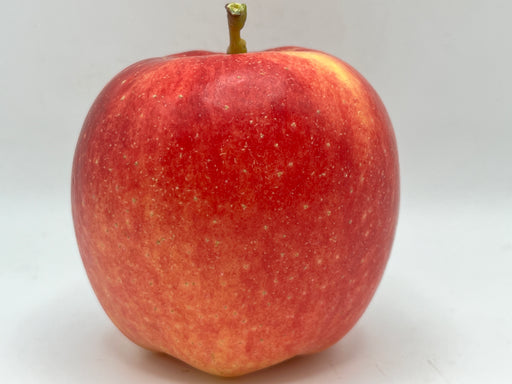
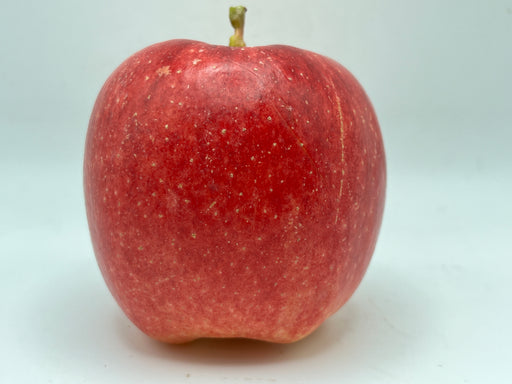
Ambrosia Apple Tree
Original price
$25.00
-
Original price
$249.00
Original price
$25.00
-
$249.00
$25.00
-
$249.00
Current price
$25.00
Discovered as a chance seedling in the Similkameen Valley in British Columbia, Canada in the 1990s. Because it was discovered by chance, there is n...
View full details
Original price
$25.00
-
Original price
$249.00
Original price
$25.00
-
$249.00
$25.00
-
$249.00
Current price
$25.00
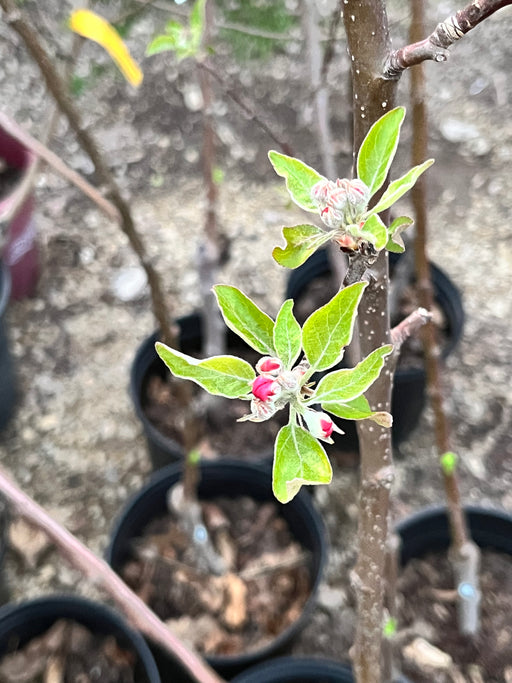
Autumn Crisp Apple Tree
Original price
$25.00
-
Original price
$65.00
Original price
$25.00
-
$65.00
$25.00
-
$65.00
Current price
$25.00
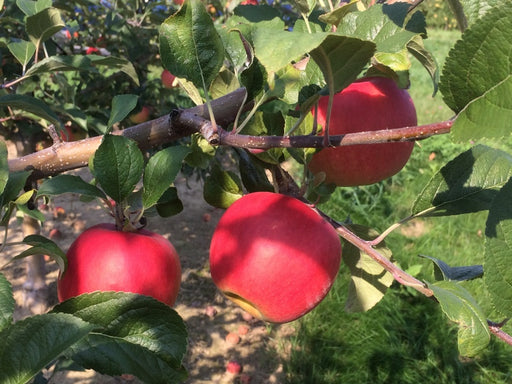
The Autumn Crisp apple is a relatively new variety of apple that was developed by Cornell University's apple breeding program in Geneva, New York, ...
View full details
Original price
$25.00
-
Original price
$65.00
Original price
$25.00
-
$65.00
$25.00
-
$65.00
Current price
$25.00
Sold out
Bonnie's Best Apple Tree
Original price
$41.00
-
Original price
$85.00
Original price
$41.00
-
$85.00
$41.00
-
$85.00
Current price
$41.00
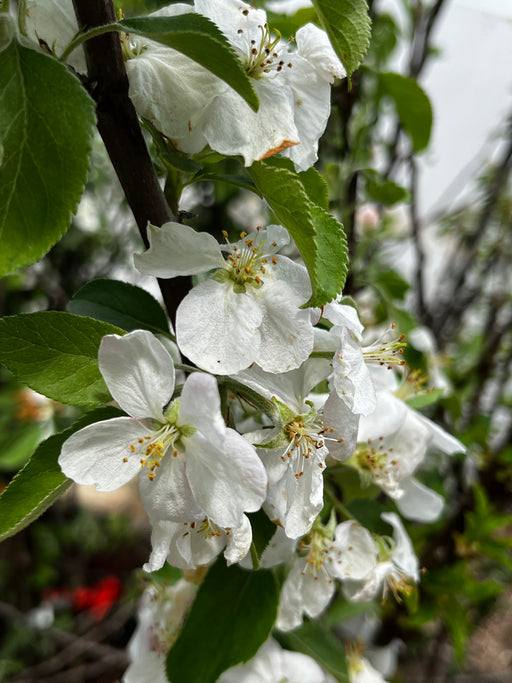
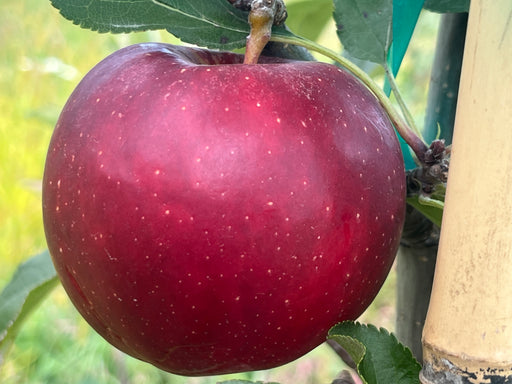
The Bonnie's Best Apple is native to Wisconsin found on an orchard owned by Bonnie Keehn in Cooksville, WI. She first showed the qualities of this ...
View full details
Original price
$41.00
-
Original price
$85.00
Original price
$41.00
-
$85.00
$41.00
-
$85.00
Current price
$41.00


Braeburn Apple Tree
Original price
$25.00
-
Original price
$119.00
Original price
$25.00
-
$119.00
$25.00
-
$119.00
Current price
$25.00
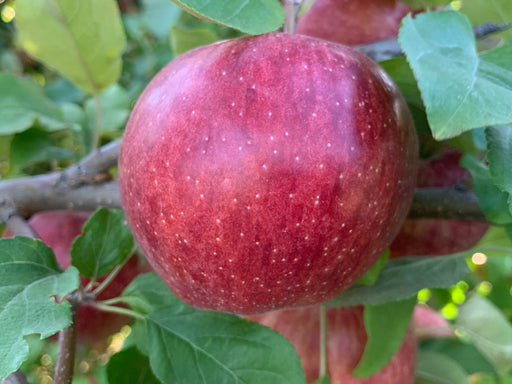
The Braeburn apple is a popular apple cultivar that originated in New Zealand in the 1950s. It is known for its firm, crisp, and tangy fruit, which...
View full details
Original price
$25.00
-
Original price
$119.00
Original price
$25.00
-
$119.00
$25.00
-
$119.00
Current price
$25.00
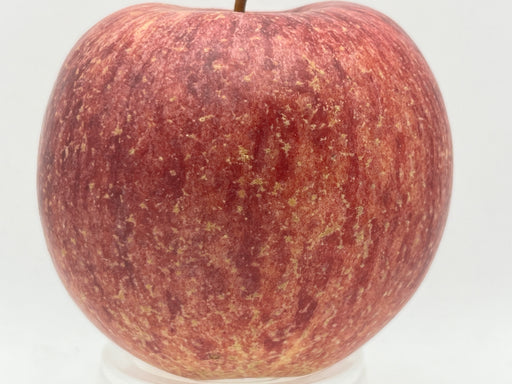
Cameo Apple Tree
Original price
$41.00
-
Original price
$85.00
Original price
$41.00
-
$85.00
$41.00
-
$85.00
Current price
$41.00
Discovered as a chance sapling in 1987 between Red Delicious and Golden Delicious, the Cameo apple’s rise to fame is a quick one. Though we cannot ...
View full details
Original price
$41.00
-
Original price
$85.00
Original price
$41.00
-
$85.00
$41.00
-
$85.00
Current price
$41.00
Sold out
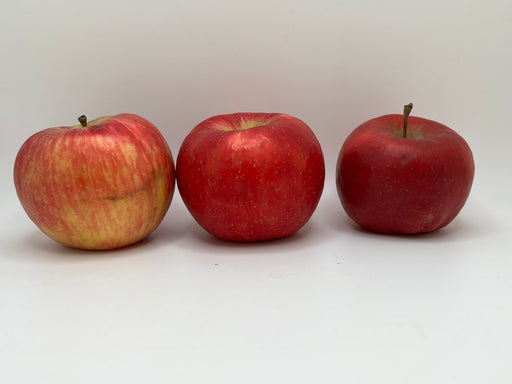
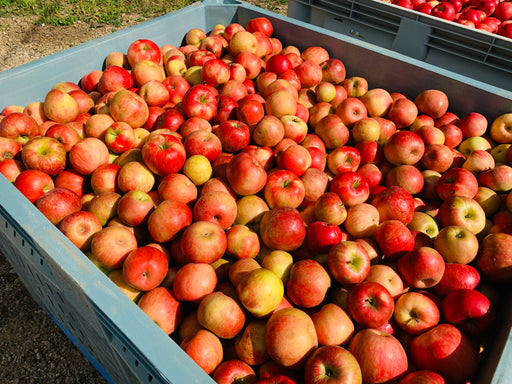
Cameron Select Red Honeycrisp Tree
Original price
$25.00
-
Original price
$199.00
Original price
$25.00
-
$199.00
$25.00
-
$199.00
Current price
$25.00
Please see our main Honeycrisp page for a general description. The difference between the Cameron Select and the standard Honeycrisp is a matter of...
View full details
Original price
$25.00
-
Original price
$199.00
Original price
$25.00
-
$199.00
$25.00
-
$199.00
Current price
$25.00


Candy Crisp Apple Tree
Original price
$41.00
-
Original price
$65.00
Original price
$41.00
-
$65.00
$41.00
-
$65.00
Current price
$41.00
A late dropping apple. Very sweet and juicy. Apple is medium in size and quite crunchy- though not too crunchy. Easy to eat and stores decently but...
View full details
Original price
$41.00
-
Original price
$65.00
Original price
$41.00
-
$65.00
$41.00
-
$65.00
Current price
$41.00


Cordera ® (NY56 Cltv.) Apple Tree
Original price
$25.00
-
Original price
$65.00
Original price
$25.00
-
$65.00
$25.00
-
$65.00
Current price
$25.00
Another excellent Cornell University apple, Cordera ® (NY56) is named for Robert Lamb, a Cornell University apple breeder. Cordera means lamb in Sp...
View full details
Original price
$25.00
-
Original price
$65.00
Original price
$25.00
-
$65.00
$25.00
-
$65.00
Current price
$25.00
Sold out
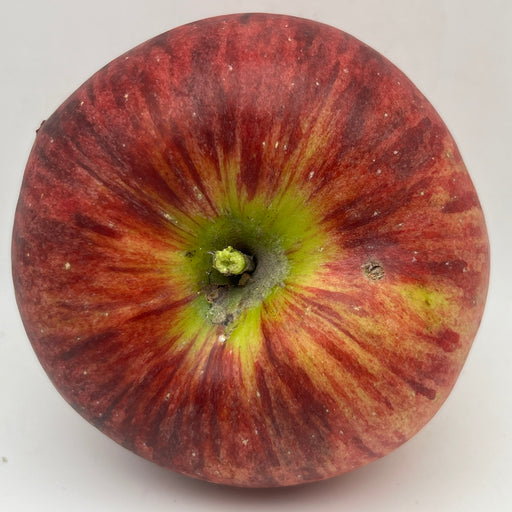
Cortland Apple Tree
Original price
$25.00
-
Original price
$119.00
Original price
$25.00
-
$119.00
$25.00
-
$119.00
Current price
$25.00
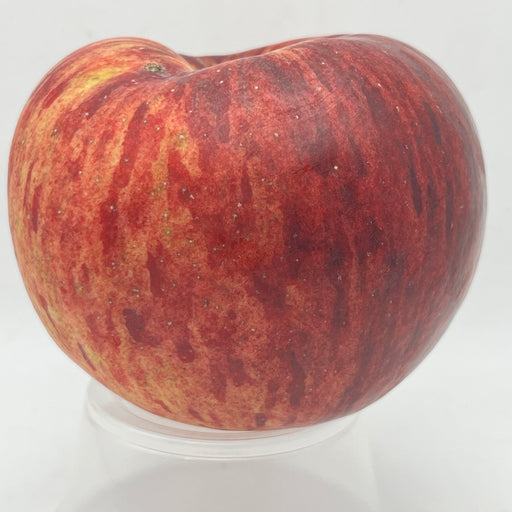
Created at Cornell University’s Agricultural Station in 1898, the Cortland Apple is a popular tree around the Great Lakes even today. It is now the...
View full details
Original price
$25.00
-
Original price
$119.00
Original price
$25.00
-
$119.00
$25.00
-
$119.00
Current price
$25.00
CrimsonCrisp® Apple Tree
Original price
$41.00
-
Original price
$85.00
Original price
$41.00
-
$85.00
$41.00
-
$85.00
Current price
$41.00
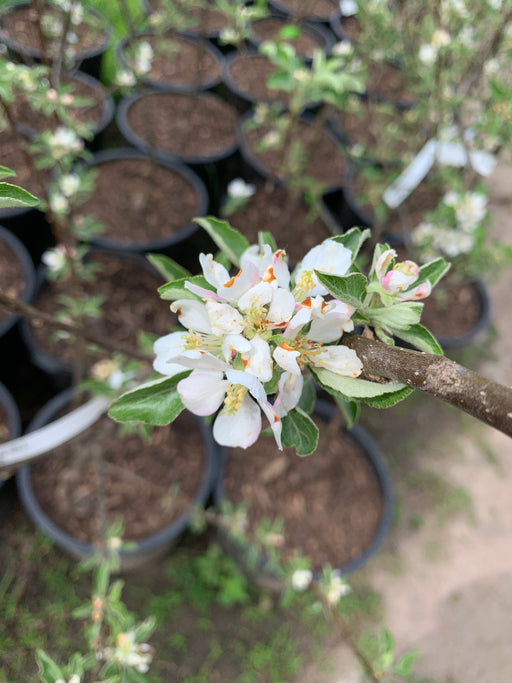
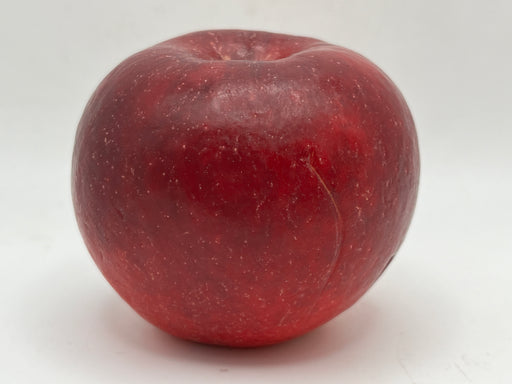
First created at Rutgers Fruit Research Center in New Jersey in 1971 and is a cross between apple PCF2-134 and PRI 669-205. The CrimsonCrisp® was c...
View full details
Original price
$41.00
-
Original price
$85.00
Original price
$41.00
-
$85.00
$41.00
-
$85.00
Current price
$41.00

Crunch-a-Bunch® Apple Tree
Original price
$25.00
-
Original price
$65.00
Original price
$25.00
-
$65.00
$25.00
-
$65.00
Current price
$25.00
A yellow dessert apple with a fantastic crunch. Very sweet- coming in at 15-18 Brix. Cloned asexually from a farm in Pataskala, OH in 2010, the tre...
View full details
Original price
$25.00
-
Original price
$65.00
Original price
$25.00
-
$65.00
$25.00
-
$65.00
Current price
$25.00
Empire Apple Tree
Original price
$25.00
-
Original price
$119.00
Original price
$25.00
-
$119.00
$25.00
-
$119.00
Current price
$25.00
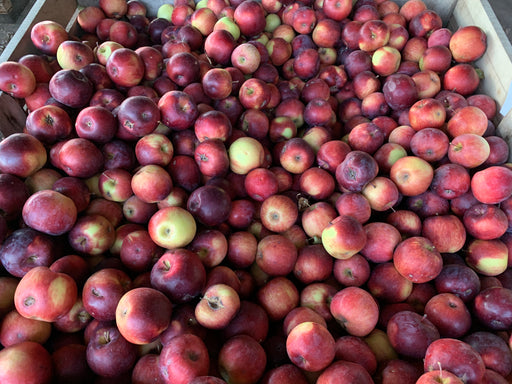
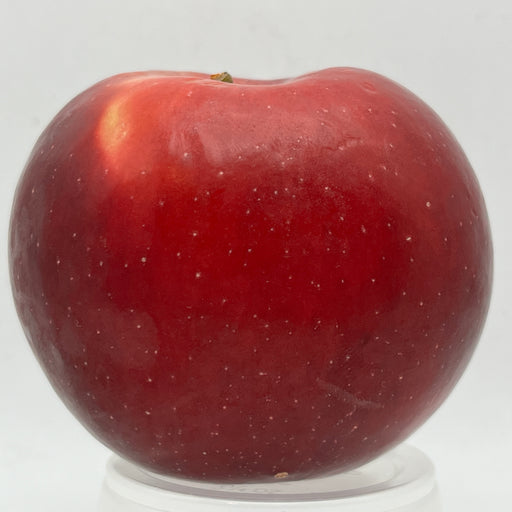
The Empire is a hybrid of the McIntosh and Red Delicious apple varieties, and was developed by the New York State Agricultural Experiment Station i...
View full details
Original price
$25.00
-
Original price
$119.00
Original price
$25.00
-
$119.00
$25.00
-
$119.00
Current price
$25.00
Empress Apple Tree
Original price
$41.00
-
Original price
$65.00
Original price
$41.00
-
$65.00
$41.00
-
$65.00
Current price
$41.00
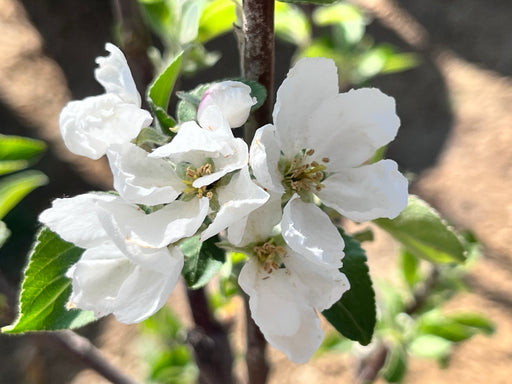
L. Frederic Hough of Rutgers University first crossed this tree in 1969 by pairing the Jonamac x Vista Bells apples. The tree, having a similar sha...
View full details
Original price
$41.00
-
Original price
$65.00
Original price
$41.00
-
$65.00
$41.00
-
$65.00
Current price
$41.00
Enterprise Apple Tree
Original price
$25.00
-
Original price
$119.00
Original price
$25.00
-
$119.00
$25.00
-
$119.00
Current price
$25.00
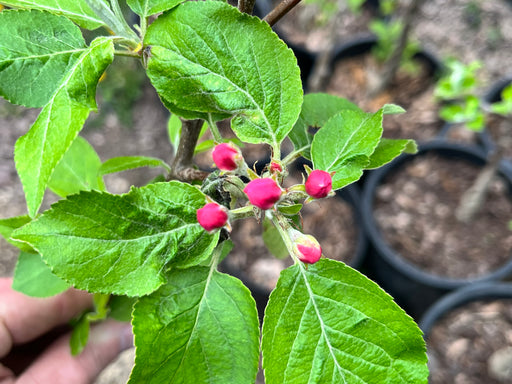
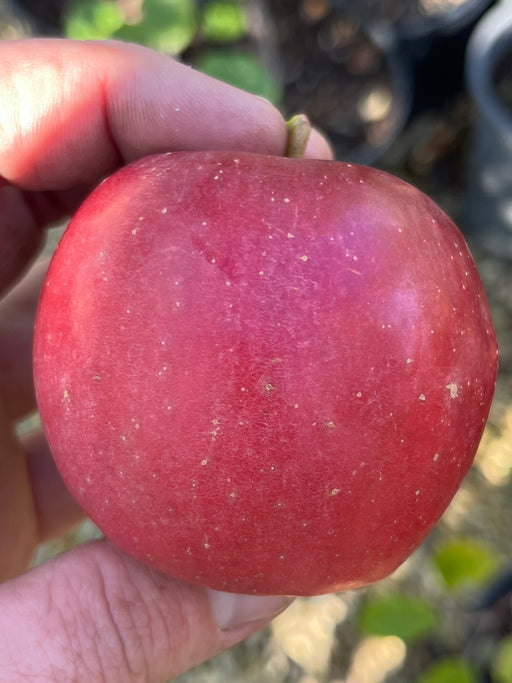
The apple cultivar ‘Enterprise’ (Malus × domestica Borkh.) is a late-maturing, red dessert apple notable for its high fruit quality and broad-spect...
View full details
Original price
$25.00
-
Original price
$119.00
Original price
$25.00
-
$119.00
$25.00
-
$119.00
Current price
$25.00
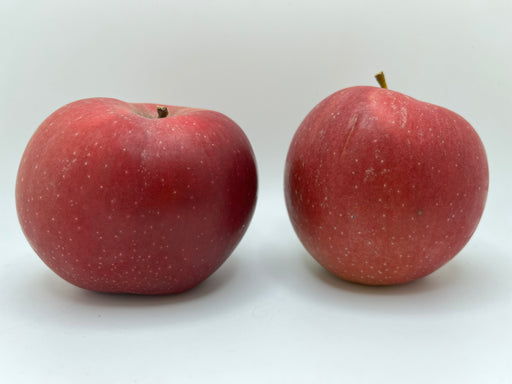

Fortune Apple Trees
Original price
$41.00
-
Original price
$65.00
Original price
$41.00
-
$65.00
$41.00
-
$65.00
Current price
$41.00
Fortune is a hybrid from Cornell University developed by combining the Schoharie Spy with the disease-resistant Empire. The result was a high-perf...
View full details
Original price
$41.00
-
Original price
$65.00
Original price
$41.00
-
$65.00
$41.00
-
$65.00
Current price
$41.00
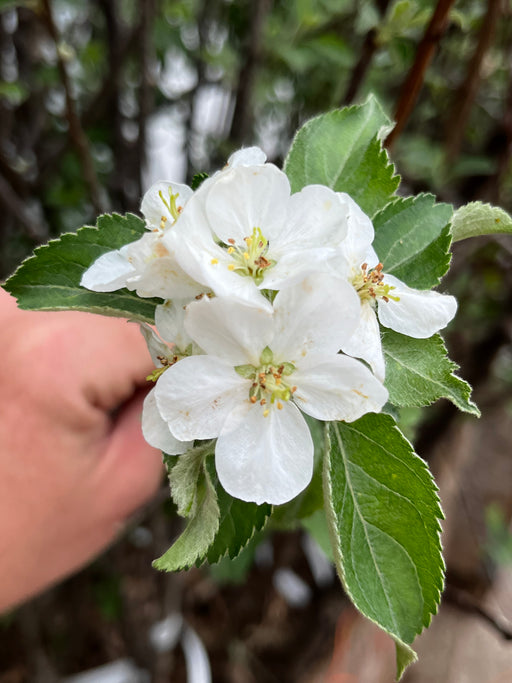
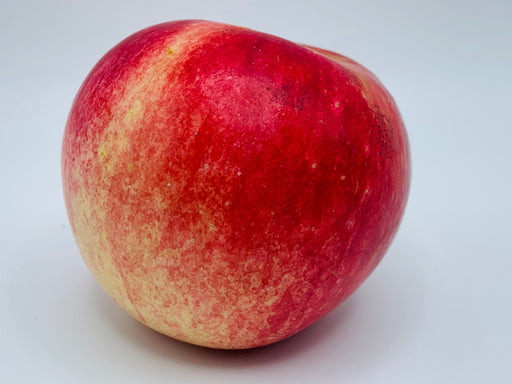
Freedom Apple Trees
Original price
$25.00
-
Original price
$85.00
Original price
$25.00
-
$85.00
$25.00
-
$85.00
Current price
$25.00
Developed from the New York State Agricultural Experiment Station in the 1950s; the Freedom Apple counts the McIntosh, Macoun, the ever prolific Go...
View full details
Original price
$25.00
-
Original price
$85.00
Original price
$25.00
-
$85.00
$25.00
-
$85.00
Current price
$25.00

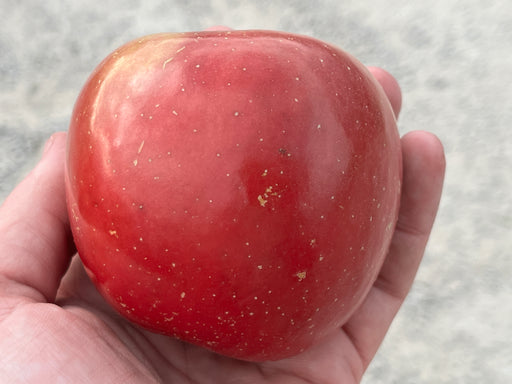
Fuji Apple Tree
Original price
$25.00
-
Original price
$249.00
Original price
$25.00
-
$249.00
$25.00
-
$249.00
Current price
$25.00
First bred in the 1930s, this apple has grown to be one of the most popular apples sold around the world. Its lengthy storage abilities and crisp t...
View full details
Original price
$25.00
-
Original price
$249.00
Original price
$25.00
-
$249.00
$25.00
-
$249.00
Current price
$25.00
Gala Apple Tree
Original price
$25.00
-
Original price
$249.00
Original price
$25.00
-
$249.00
$25.00
-
$249.00
Current price
$25.00
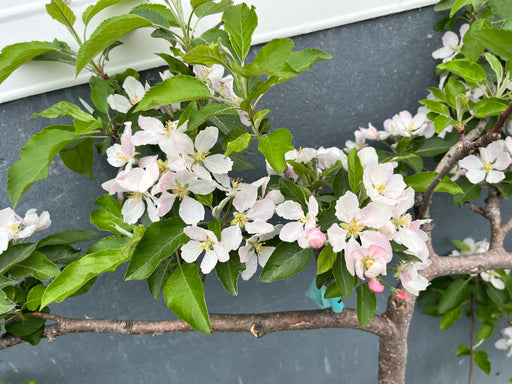
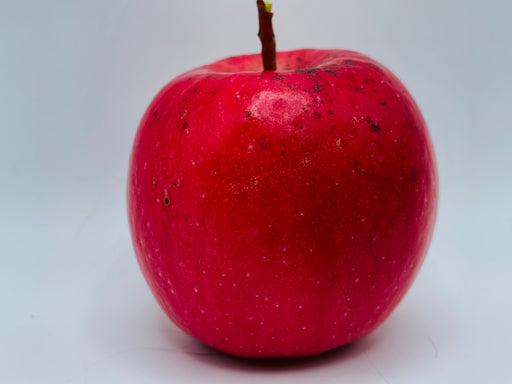
James H. Kidd first discovered the Gala Apple as one of several seedlings that results from a breeding program in New Zealand. The Gala first gaine...
View full details
Original price
$25.00
-
Original price
$249.00
Original price
$25.00
-
$249.00
$25.00
-
$249.00
Current price
$25.00

Galarina™ Apple Tree
Original price
$41.00
-
Original price
$65.00
Original price
$41.00
-
$65.00
$41.00
-
$65.00
Current price
$41.00
First crossed at the Institut National de la Recherche Agronomique in Angers, France in 1985 as a disease resistant offspring of the Gala Apple. It...
View full details
Original price
$41.00
-
Original price
$65.00
Original price
$41.00
-
$65.00
$41.00
-
$65.00
Current price
$41.00
Sold out
Ginger Gold® Apple Trees
Original price
$25.00
-
Original price
$119.00
Original price
$25.00
-
$119.00
$25.00
-
$119.00
Current price
$25.00
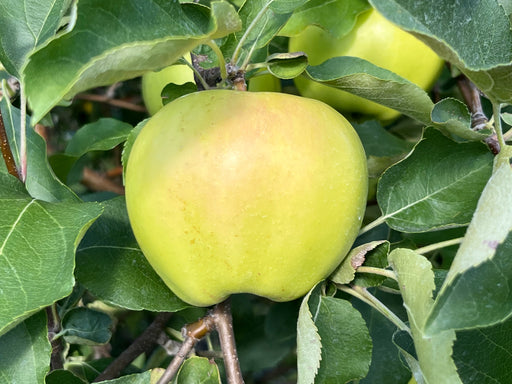
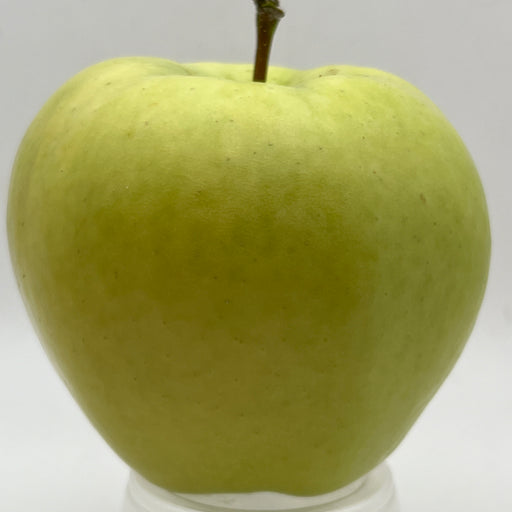
In 1969, Hurricane Camille washed away vast swaths of Clyde and Frances 'Ginger' Harvey's orchard. In a valiant effort to recover as many seedlings...
View full details
Original price
$25.00
-
Original price
$119.00
Original price
$25.00
-
$119.00
$25.00
-
$119.00
Current price
$25.00

Golden Sentinal™ Columnar Apple Tree
Original price
$41.00
-
Original price
$149.00
Original price
$41.00
-
$149.00
$41.00
-
$149.00
Current price
$41.00
The Golden Sentinel columnar apple tree is a compact, upright variety bred for small spaces and modern home orchards. It produces medium-sized appl...
View full details
Original price
$41.00
-
Original price
$149.00
Original price
$41.00
-
$149.00
$41.00
-
$149.00
Current price
$41.00
GoldRush® Apple Tree
Original price
$25.00
-
Original price
$119.00
Original price
$25.00
-
$119.00
$25.00
-
$119.00
Current price
$25.00
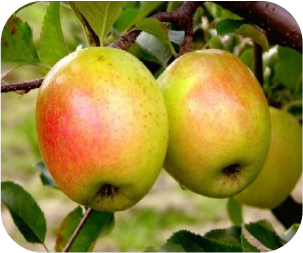
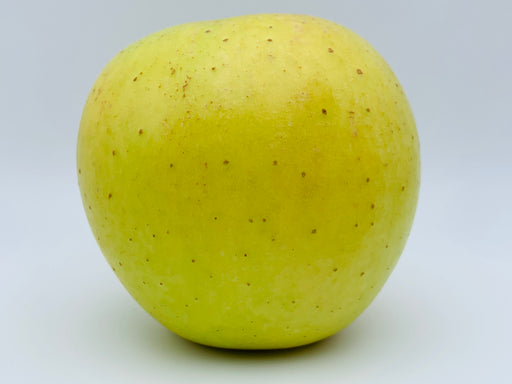
Introduced from the Purdue-Rutgers-U of I Apple Breeding Program in 1994, the GoldRush apple is an excellent late season apple. Originally known as...
View full details
Original price
$25.00
-
Original price
$119.00
Original price
$25.00
-
$119.00
$25.00
-
$119.00
Current price
$25.00
Harvey Earligold Apple Tree
Original price
$41.00
-
Original price
$65.00
Original price
$41.00
-
$65.00
$41.00
-
$65.00
Current price
$41.00
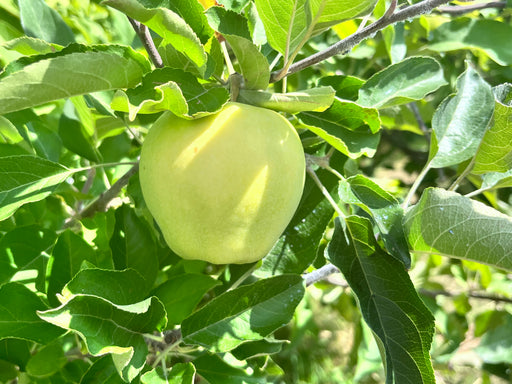
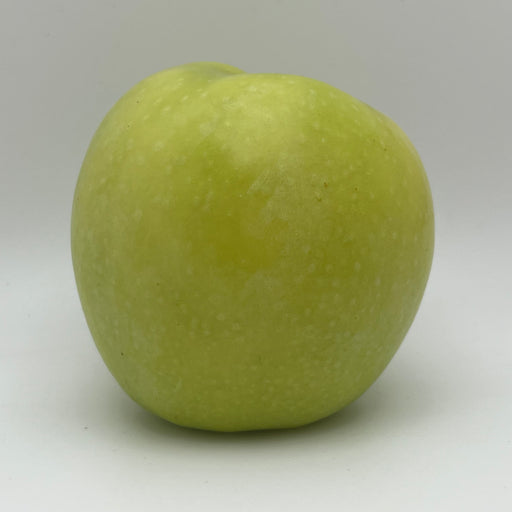
Literally descriptive name, this apple both ripens early and is a golden yellow color. It is nearly perfectly round with a yellow hue that softens ...
View full details
Original price
$41.00
-
Original price
$65.00
Original price
$41.00
-
$65.00
$41.00
-
$65.00
Current price
$41.00
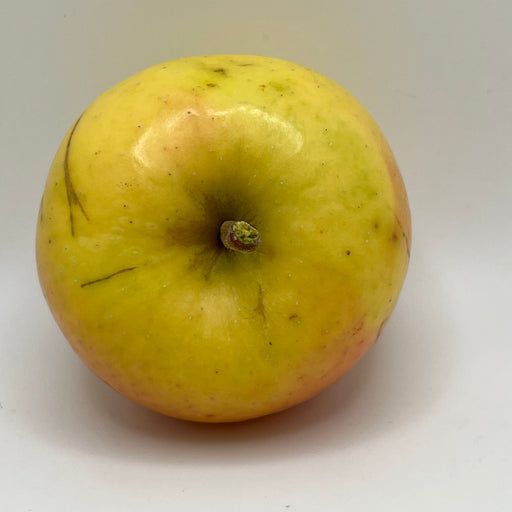
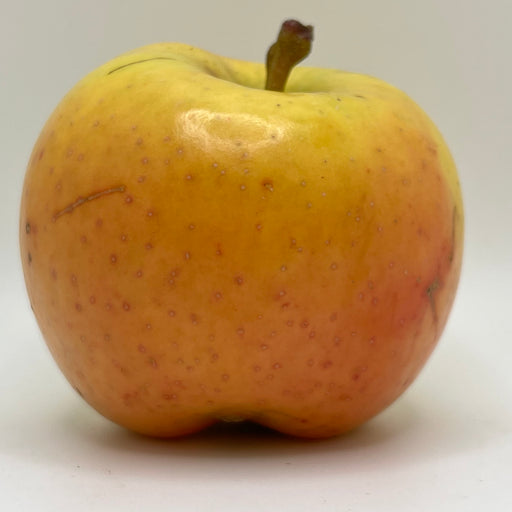
Heliodor™ Apple Trees
Original price
$41.00
-
Original price
$85.00
Original price
$41.00
-
$85.00
$41.00
-
$85.00
Current price
$41.00
Created at the Experimental Botany in Prague in 2008, this apple is a cross between the prolific Golden Delicious and the modern Topaz apples. It i...
View full details
Original price
$41.00
-
Original price
$85.00
Original price
$41.00
-
$85.00
$41.00
-
$85.00
Current price
$41.00