Fruit Trees
Growing your own food should be as rewarding as the harvest itself. At Roots to Fruits Nursery, we provide everything from Mini-Dwarf varieties for patio gardening to Standard trees for the big back forty. We take pride in our grading system, offering Petite and Maiden trees for those who love to shape their own growth, or Field Ready and Hand Select specimens for aspiring and seasoned orchardists who want to see fruit on the branch in just a year or two. Whether you're after a classic Honeycrisp or a cold-hardy Toka Plum our trees are grown to thrive in your landscape.
Our Tree Sizes at Maturity: Mini-Dwarf (3-6'), and Dwarf (6-10'), which don't require as much space as well as the larger Semi-Dwarf (12-18') and the largest, Standard/Seedling (20'+).
A few helpful notes:
- Trees must be planted in well drained soil. Consider testing your soil to see the best compatibility of trees for your site.
- 6 hours of sunlight with full sun preferred.
- Stake all trees for the first 2 years.
- Dwarfs must have permanent stakes. Be sure to check the ties as the tree grows so as not to girth it.
- Tree guards and protection should be used to protect from rabbits and deer.
- Check pollinator requirements (other fruit trees) for your trees of choice.
- Plant disease resistant trees for less maintenance.
Our Tree Sizes at Time of Purchase:
Petite: Our smallest graded tree less than 2 years in age, branchless and will bear fruit in 4-5 years.
Maiden: 2 years old, branchless 3-5' tall or 1/2" caliper and will bear fruit in 2-3 years.
Field Ready: 2-3 years old and might have some lateral branching, 5-6' tall or 5/8" caliper, are thicker above the graft, and will bear in 1-2 years.
Hand Select: 3 year old trees, 6-9' tall or 3/4" caliper, can be more heavily branched and fruit in about a year.
Container: Branched, rooted in pots, and often larger, 5-10'. Available for free pick-up at our Gays Mills, WI location and delivery within 200 miles to our noted zones (See our Spee-Dee partner Service Area Map).


Reddy Robin® Pear Tree
Original price
$25.00
-
Original price
$79.00
Original price
$25.00
-
$79.00
$25.00
-
$79.00
Current price
$25.00
Scab resistant Asian pear. Slightly russeted and greenish-red in color. Creamy colored flesh. Similarly shaped to other Asian pears. Very sweet. Fi...
View full details
Original price
$25.00
-
Original price
$79.00
Original price
$25.00
-
$79.00
$25.00
-
$79.00
Current price
$25.00
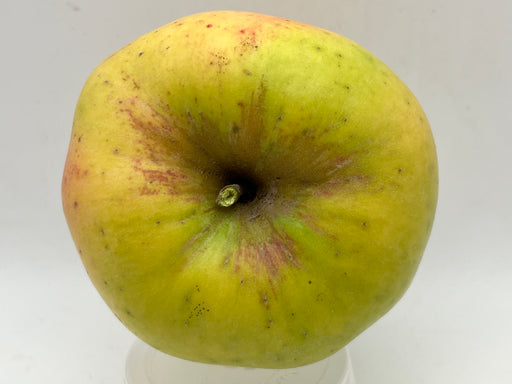
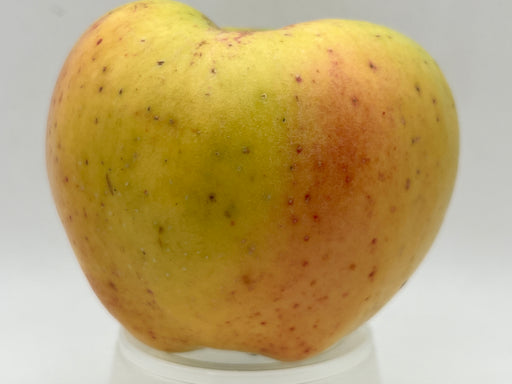
Calville Blanc d'Hiver Apple Tree
Original price
$35.00
-
Original price
$79.00
Original price
$35.00
-
$79.00
$35.00
-
$79.00
Current price
$35.00
One of the oldest apples still in existence, the picturesque Calville has been around in France and Germany since the mid 1600s. The Premier French...
View full details
Original price
$35.00
-
Original price
$79.00
Original price
$35.00
-
$79.00
$35.00
-
$79.00
Current price
$35.00
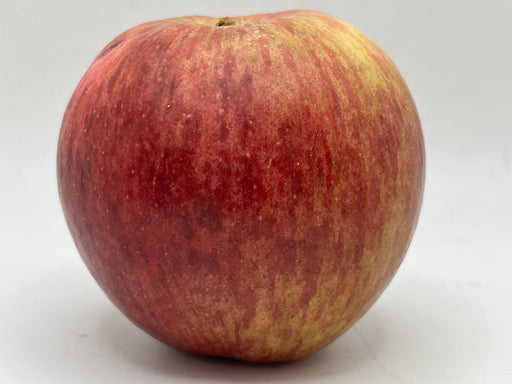
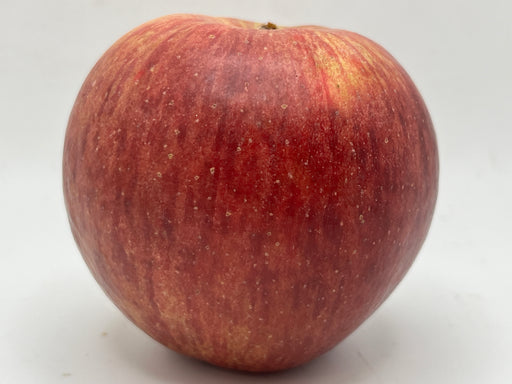
Dabinett Apple Tree
Original price
$35.00
-
Original price
$51.00
Original price
$35.00
-
$51.00
$35.00
-
$51.00
Current price
$35.00
The Dabinett Apple dates back to a chance discovery by William Dabinett (for whom it is named) in the early 1800s at his orchard in Somerset, Engla...
View full details
Original price
$35.00
-
Original price
$51.00
Original price
$35.00
-
$51.00
$35.00
-
$51.00
Current price
$35.00
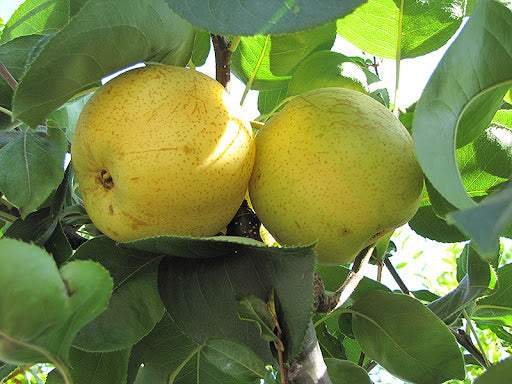
Shinseiki Pear Tree
Original price
$35.00
-
Original price
$79.00
Original price
$35.00
-
$79.00
$35.00
-
$79.00
Current price
$35.00
Your standard globular golden Asian pear- the Shinseiki Pear is native to east Asia and Japan. Hardy down to USDA Zone 5, this Pear makes a great a...
View full details
Original price
$35.00
-
Original price
$79.00
Original price
$35.00
-
$79.00
$35.00
-
$79.00
Current price
$35.00
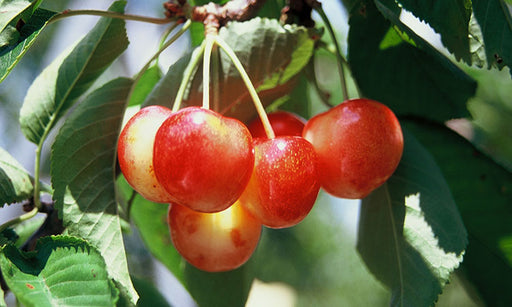
Emperor Francis Cherry Tree
Original price
$35.00
-
Original price
$79.00
Original price
$35.00
-
$79.00
$35.00
-
$79.00
Current price
$35.00
Arguably one of the sweetest of all cherries- these medium sized trees produces incredibly sweet, crunchy fruit. Great for storing, canning, and ba...
View full details
Original price
$35.00
-
Original price
$79.00
Original price
$35.00
-
$79.00
$35.00
-
$79.00
Current price
$35.00
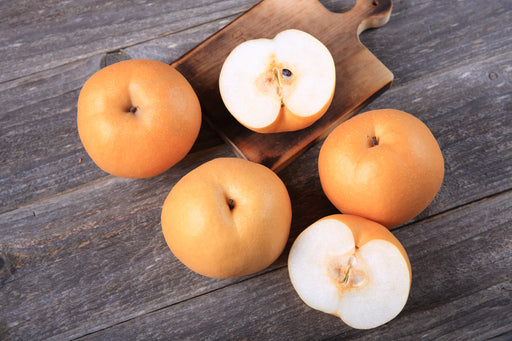
Chojuro Pear Tree
Original price
$41.00
-
Original price
$79.00
Original price
$41.00
-
$79.00
$41.00
-
$79.00
Current price
$41.00
Discovered in Kawasaki, Japan in 1895 appearing redder than other pears nearby. Round and golden in color- the Chojuro pear is similar to other Asi...
View full details
Original price
$41.00
-
Original price
$79.00
Original price
$41.00
-
$79.00
$41.00
-
$79.00
Current price
$41.00
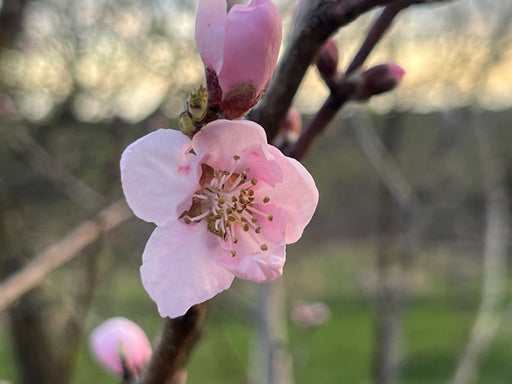
Glohaven Peach Trees
Original price
$35.00
-
Original price
$149.00
Original price
$35.00
-
$149.00
$35.00
-
$149.00
Current price
$35.00
The Glohaven Peach is large, quite circular, and very uniform in shape and color. The peach has little to no fuzz and is mostly red in color with a...
View full details
Original price
$35.00
-
Original price
$149.00
Original price
$35.00
-
$149.00
$35.00
-
$149.00
Current price
$35.00

Olympic Giant Pear Tree
Original price
$19.00
-
Original price
$79.00
Original price
$19.00
-
$79.00
$19.00
-
$79.00
Current price
$19.00
Massive Asian Pear! Nearly softball size fruit and is incredibly juicy and sweet to eat. USDA Zone: 5-8 (This tree has shown success in growing in ...
View full details
Original price
$19.00
-
Original price
$79.00
Original price
$19.00
-
$79.00
$19.00
-
$79.00
Current price
$19.00
Sold out


Italian Honey Fig Tree
Original price
$19.00
-
Original price
$32.00
Original price
$19.00
-
$32.00
$19.00
-
$32.00
Current price
$19.00
Description Coming Soon! USDA Zone: 7-10 Mature Height: 8-10' Sun: Full Sun Ripening Time: July Pollination: Not required- figs are self fertile ...
View full details
Original price
$19.00
-
Original price
$32.00
Original price
$19.00
-
$32.00
$19.00
-
$32.00
Current price
$19.00

Desert King Fig Tree
Original price
$19.00
-
Original price
$49.00
Original price
$19.00
-
$49.00
$19.00
-
$49.00
Current price
$19.00
Description Coming Soon! USDA Zone: 6 (with strong winter protection)-10. Outdoor hardiness to Zone 7. Mature Height: 25-35' in the ground and 6-8'...
View full details
Original price
$19.00
-
Original price
$49.00
Original price
$19.00
-
$49.00
$19.00
-
$49.00
Current price
$19.00

Persimmon Tree 'Deer Magnet'
Original price
$51.00
Original price
$51.00
-
Original price
$51.00
Original price
$51.00
$41.00
-
$59.00
$41.00
-
$59.00
Current price
$41.00
Less cold hardy than the standard American Persimmon- this tree however does well in the forests of Zone 5-9. Fruit tends to be smaller than the st...
View full details
Original price
$51.00
Original price
$51.00
-
Original price
$51.00
Original price
$51.00
$41.00
-
$59.00
$41.00
-
$59.00
Current price
$41.00
Sold out

Elberta Peach Tree
Original price
$25.00
-
Original price
$51.00
Original price
$25.00
-
$51.00
$25.00
-
$51.00
Current price
$25.00
Wow! Vibrant profuse bloomer that might be mistaken for an ornamental peach tree. It is that pretty. Light pink blooms yield to clustered peaches. ...
View full details
Original price
$25.00
-
Original price
$51.00
Original price
$25.00
-
$51.00
$25.00
-
$51.00
Current price
$25.00
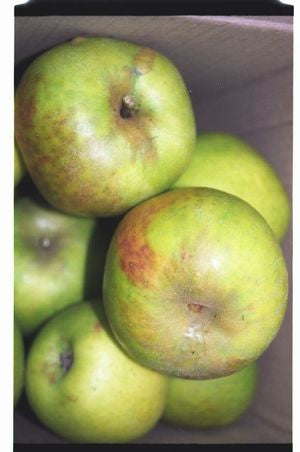
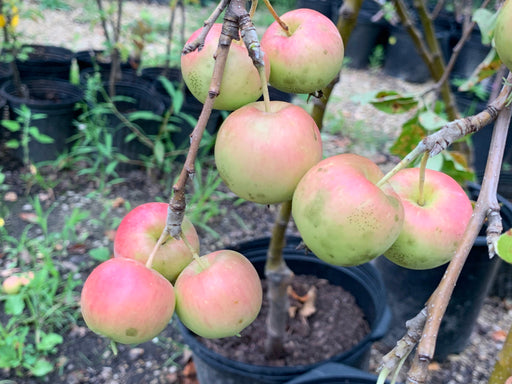
Bramley's Seedling Apple Tree
Original price
$35.00
-
Original price
$59.00
Original price
$35.00
-
$59.00
$35.00
-
$59.00
Current price
$35.00
One of the longest lived apple trees with the original specimen still standing in an orchard in Nottinghamshire, UK, having been planted as a seedl...
View full details
Original price
$35.00
-
Original price
$59.00
Original price
$35.00
-
$59.00
$35.00
-
$59.00
Current price
$35.00
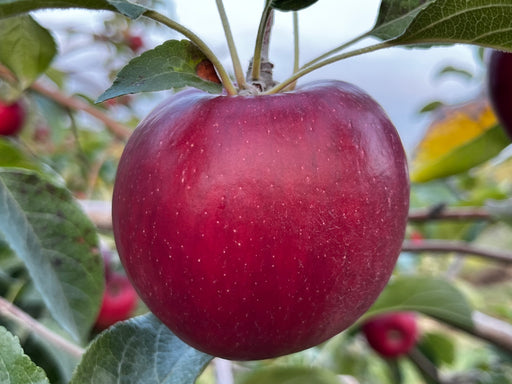
Carolina Red June Apple
Original price
$25.00
-
Original price
$59.00
Original price
$25.00
-
$59.00
$25.00
-
$59.00
Current price
$25.00
Early Fruiting apple tree- ripens in July. Bright red and briskly tart. Tree does well in different soils and tends to bloom late. Apples ripen ove...
View full details
Original price
$25.00
-
Original price
$59.00
Original price
$25.00
-
$59.00
$25.00
-
$59.00
Current price
$25.00

Veteran Peach Tree
Original price
$29.00
-
Original price
$149.00
Original price
$29.00
-
$149.00
$29.00
-
$149.00
Current price
$29.00
An Oval shaped peach more oblate than other peaches. It is also fairly uniform in color. Tree is highly productive with a mid season harvest. Frees...
View full details
Original price
$29.00
-
Original price
$149.00
Original price
$29.00
-
$149.00
$29.00
-
$149.00
Current price
$29.00
Garnet Girl® Cherry Tree (V84031 Cltv.)
Original price
$25.00
-
Original price
$99.00
Original price
$25.00
-
$99.00
$25.00
-
$99.00
Current price
$25.00
The Garnet Girl® is a newer cherry that was recently released out of the University of Guelph. The following is my best summary of the existing pla...
View full details
Original price
$25.00
-
Original price
$99.00
Original price
$25.00
-
$99.00
$25.00
-
$99.00
Current price
$25.00

Baker's Delight® Apple Tree
Original price
$25.00
-
Original price
$79.00
Original price
$25.00
-
$79.00
$25.00
-
$79.00
Current price
$25.00
A newer modern apple released in 2017 by the Midwest Apple Improvement Association (MAIA) with parentage of GoldRush and Sweet 16. Bred especially ...
View full details
Original price
$25.00
-
Original price
$79.00
Original price
$25.00
-
$79.00
$25.00
-
$79.00
Current price
$25.00

Q 1-8 Peach Tree 'Salish Summer Peach'
Original price
$29.00
-
Original price
$99.00
Original price
$29.00
-
$99.00
$29.00
-
$99.00
Current price
$29.00
This newly discovered peach comes from Washington State and is a unique white-fleshed variety with pink blossoms. Colloquially known as the Salish ...
View full details
Original price
$29.00
-
Original price
$99.00
Original price
$29.00
-
$99.00
$29.00
-
$99.00
Current price
$29.00

Little Ruby Fig Tree
Original price
$25.00
-
Original price
$35.00
Original price
$25.00
-
$35.00
$25.00
-
$35.00
Current price
$25.00
A dwarf, usually well branched fig tree. Tree bears early generally 1-2 years after planting. Fruit is elongated and rusty red in color. Flesh is l...
View full details
Original price
$25.00
-
Original price
$35.00
Original price
$25.00
-
$35.00
$25.00
-
$35.00
Current price
$25.00
Brown Turkey Fig Tree
Original price
$25.00
-
Original price
$35.00
Original price
$25.00
-
$35.00
$25.00
-
$35.00
Current price
$25.00
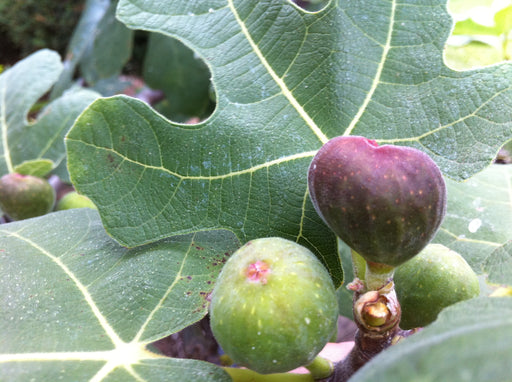
In warmer climates, the fig tree is able to produce two crops per year. When planted in containers (for Zone 3-7) the tree can produce one crop ann...
View full details
Original price
$25.00
-
Original price
$35.00
Original price
$25.00
-
$35.00
$25.00
-
$35.00
Current price
$25.00
Frettingham Crabapple Trees
Original price
$35.00
-
Original price
$59.00
Original price
$35.00
-
$59.00
$35.00
-
$59.00
Current price
$35.00
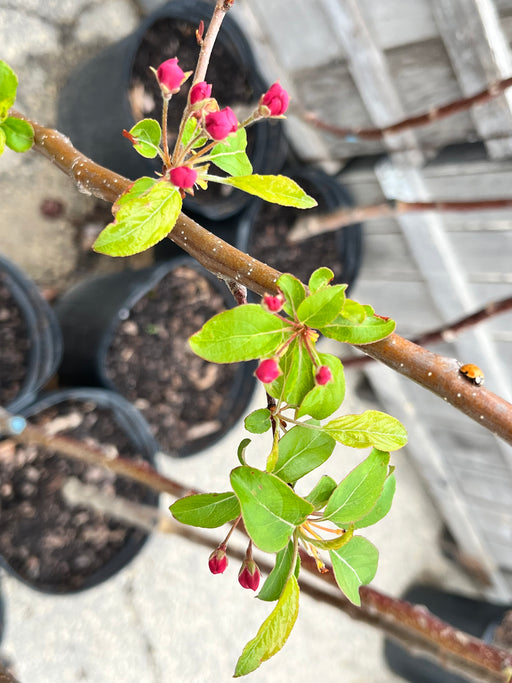
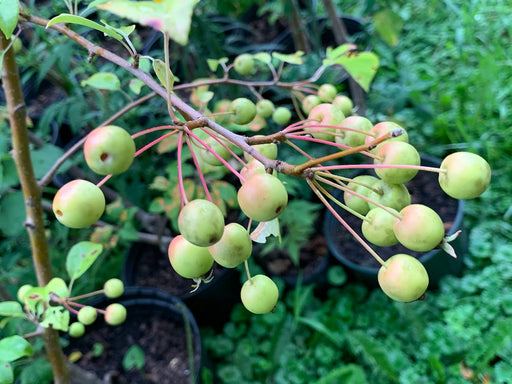
A Mid- Late season bloomer, these white blossomed, single petaled crabapples are small and numerous on the tree. Excellent pollinators for apple tr...
View full details
Original price
$35.00
-
Original price
$59.00
Original price
$35.00
-
$59.00
$35.00
-
$59.00
Current price
$35.00

Fuyu Persimmon Tree
Original price
$51.00
-
Original price
$51.00
Original price
$51.00
$99.00
$99.00
-
$99.00
Current price
$99.00
An old variety of persimmon introduced to the United States in the mid 1870s as an alternative to the American Standard Persimmon. While not as col...
View full details
Original price
$51.00
-
Original price
$51.00
Original price
$51.00
$99.00
$99.00
-
$99.00
Current price
$99.00
Sierra Beauty Apple Tree
Original price
$35.00
-
Original price
$51.00
Original price
$35.00
-
$51.00
$35.00
-
$51.00
Current price
$35.00
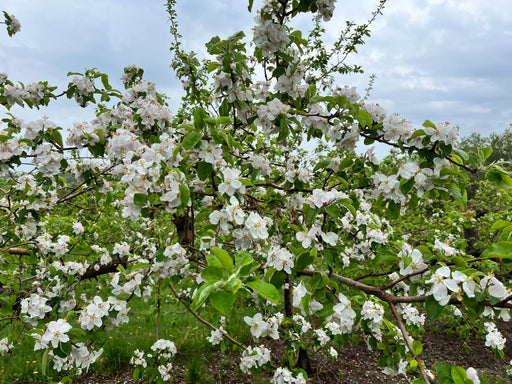
This seedling tree was discovered in the high Sierra Mountains in California and thought to be a left over from the 1840s Gold Rush. Therefore, the...
View full details
Original price
$35.00
-
Original price
$51.00
Original price
$35.00
-
$51.00
$35.00
-
$51.00
Current price
$35.00
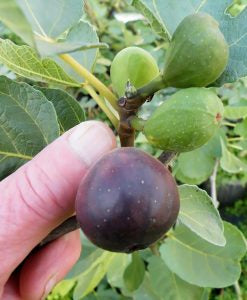
LSU Fig Tree
Original price
$25.00
-
Original price
$39.00
Original price
$25.00
-
$39.00
$25.00
-
$39.00
Current price
$25.00
Developed at Louisiana State University (hence the name) for warmer climates. Loves heat and sunshine. This warmer hardy variety is perfect for por...
View full details
Original price
$25.00
-
Original price
$39.00
Original price
$25.00
-
$39.00
$25.00
-
$39.00
Current price
$25.00