Rootstocks
Modern apple trees consist of two parts: the Scionwood and the Rootstock. Both parts are needed to replicate trees and the parts are coupled through grafting. The scion determines the variety of the fruit.
The rootstock dictates the foundation and many characteristics of the tree itself, including mature tree height and grow rates, suckering, support needs, disease resistance, cold hardiness, and precocity (how early the tree can begin producing apples).
We categorize our trees into Mini-Dwarf, (3-6'), Dwarf (6-10'), Semi-Dwarf (12-18'), and Standard/Seedling (20'+). We also use a percent of standard when defining the final height of trees. This gives more of a range in proportion than an actual measured height.
This USDA National Institute of Food and Agriculture link provides detailed information on the tree sizes.
A few helpful notes:
1. Some Rootstocks have a tendency to "Sucker" meaning, they grow shoots at the base of the tree, often below the graft. These should be cut off in the Winter (dormant season) to avoid transmitting disease while the tree is awake and growing. Some rootstocks are created specifically to NOT sucker.
2. Most Dwarf trees will need some sort of post or trellis to grow. Because the tree stays small, the root system also stays small. A post or trellis helps keep the tree from leaning or tipping over. Therefore, some dwarfing rootstocks require permanent or semi-permanent support.
3. A note on cold-hardiness ~ We have found no evidence that the rootstock can change the zone of a fruit tree. If a tree is only hardy to Zone 5, it will remain hardy to Zone 5, the rootstock does not make it hardy to Zone 4. Should evidence refuting this be published, we can amend this note.
4. The vigor of the scion (variety of fruit) also influences the mature size of the tree. For example, a Honeycrisp on a B-9 rootstock and a Fuji also on a B-9 rootstock, the Fuji will get to its mature size quicker and bigger.
We offer rootstocks that are excellent for apples, pears, cherry, apricot, plum, and peach.
Reach out to us with any questions regarding how to select the right rootstock for you. This USDA site also provides detailed information on rootstock characteristics.

Bud 118 Apple Tree Rootstock
Original price
$6.00
-
Original price
$107.00
Original price
$6.00
-
$107.00
$6.00
-
$107.00
Current price
$6.00
A very cold hardy semi-dwarfing apple rootstock. Originally called Bud (Budagovsky) 54-118 from the Michurinsk College of Agriculture in the Soviet...
View full details
Original price
$6.00
-
Original price
$107.00
Original price
$6.00
-
$107.00
$6.00
-
$107.00
Current price
$6.00
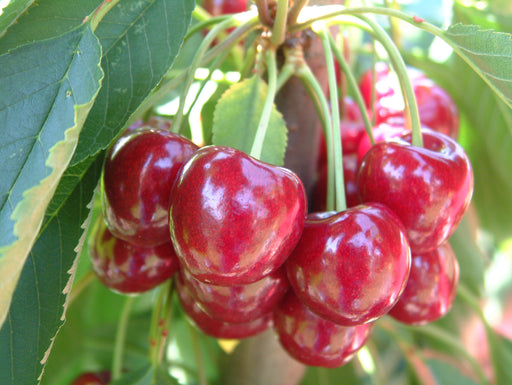
Krymsk® 5 (VSL 2 Cltv.) Cherry Rootstock
Original price
$6.00
-
Original price
$107.00
Original price
$6.00
-
$107.00
$6.00
-
$107.00
Current price
$6.00
A vigorous Russian Semi-Dwarf rootstock for sweet cherries. It is extremely cold-hardy, high-yielding and drought tolerant. Final Height: Cherry t...
View full details
Original price
$6.00
-
Original price
$107.00
Original price
$6.00
-
$107.00
$6.00
-
$107.00
Current price
$6.00
Krymsk® 6 (LC-52) Cherry Tree Rootstock
Original price
$6.00
-
Original price
$107.00
Original price
$6.00
-
$107.00
$6.00
-
$107.00
Current price
$6.00
Russian Semi-Dwarfing Cherry Tree Rootstock that is very heat tolerant, is adaptable and has good anchorage. Good for sweet or sour/tart cherries. ...
View full details
Original price
$6.00
-
Original price
$107.00
Original price
$6.00
-
$107.00
$6.00
-
$107.00
Current price
$6.00
Sold out
Prunus Myrobalan 29C Stone Fruit Rootstock
Original price
$6.00
-
Original price
$107.00
Original price
$6.00
-
$107.00
$6.00
-
$107.00
Current price
$6.00
Originally open-pollinated seedlings from France, this is a great rootstock for Plum, Apricot, or Almond trees. Produces a standard (12-20') sized ...
View full details
Original price
$6.00
-
Original price
$107.00
Original price
$6.00
-
$107.00
$6.00
-
$107.00
Current price
$6.00
Sold out