Apple Trees
Our apple trees, like many fruit trees, are propagated by grafting. There are two parts to an apple tree. The scion is the fruiting part of the tree, which gives you the variety of the apple, and the rootstock, which influences the mature size and hardiness of the tree, and determines the time it takes for the tree to fruit. We sell Standard, Semi-Dwarf, Dwarf, and Mini-Dwarf trees that do not require a lot of space and yet, will bear large fruit.
A few key notes on successful planting methods:
- Trees must be planted in well-drained soil
- Six hours of sunlight; full sun preferred
- Stake all trees for the first two years
- Dwarfs must have permanent stakes
- Tree guards should be used
- Plant at least two different apple tree varieties for Cross-Pollination
- Plant disease-resistant trees for less maintenance; we are happy to help make any suggestions you might need
We categorize our apple trees into at least five sizes: Petite, Maiden, Field Ready, Hand Select, and Container depending on the size of the tree. The Petite tree is our smallest graded tree less than 2 years in age; Maiden trees are usually 2 years old and are branchless. These are also called whips and will bear in 2-3 years. A Field Ready tree is 2-3 years old and might have some lateral branching, be thicker above the graft, and will bear in 1-2 years. The Hand Select trees are only about 20% of trees we have and are 3 year old trees, 6-9’ tall and can be heavily branched. You can expect fruiting on a Hand Select tree in about a year.
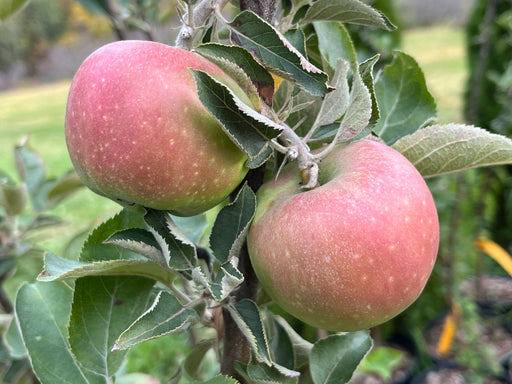
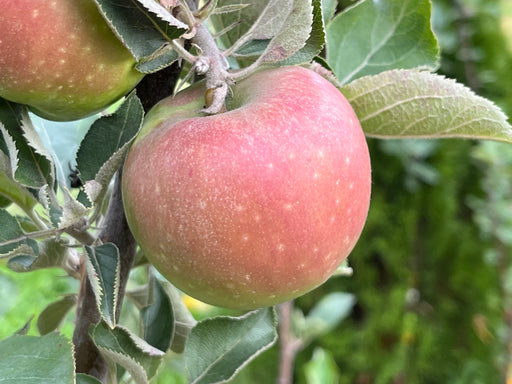
Rhode Island Greening Apple Tree
Original price
$35.00
-
Original price
$59.00
Original price
$35.00
-
$59.00
$35.00
-
$59.00
Current price
$35.00
This American heirloom variety can trace its lineage back to Rhode Island in the mid 1650s and was discovered on the farm of a Mr. Green near Middl...
View full details
Original price
$35.00
-
Original price
$59.00
Original price
$35.00
-
$59.00
$35.00
-
$59.00
Current price
$35.00
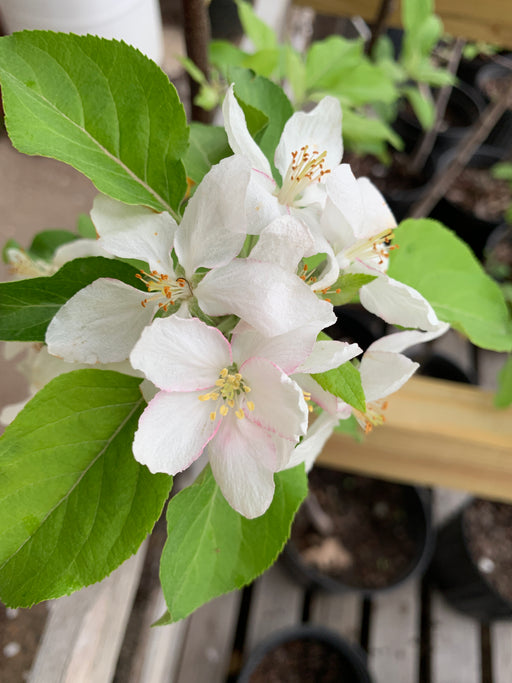
Roseland Red Honeycrisp Apple Tree
Original price
$25.00
-
Original price
$51.00
Original price
$25.00
-
$51.00
$25.00
-
$51.00
Current price
$25.00
Introduced in Minnesota in 1991, the Roseland Red Honey Crisp (RRHC) is a local favorite. The tree is one of the most vigorous and hardy of apple t...
View full details
Original price
$25.00
-
Original price
$51.00
Original price
$25.00
-
$51.00
$25.00
-
$51.00
Current price
$25.00
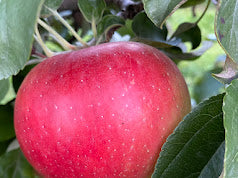

Royal Red Honeycrisp Apple Tree
Original price
$25.00
-
Original price
$179.00
Original price
$25.00
-
$179.00
$25.00
-
$179.00
Current price
$25.00
Similar to its parent, the famous Honeycrisp Apple, the Royal Red Honeycrisp (RRHC) is more uniformly red, sweeter, and has better storage capacity...
View full details
Original price
$25.00
-
Original price
$179.00
Original price
$25.00
-
$179.00
$25.00
-
$179.00
Current price
$25.00
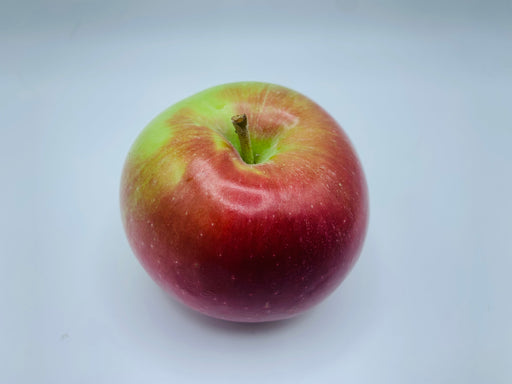
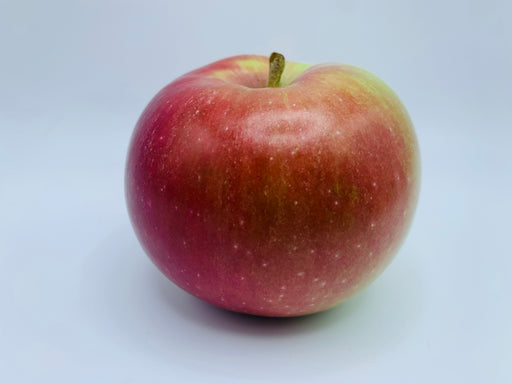
Spartan Apple Tree
Original price
$25.00
-
Original price
$79.00
Original price
$25.00
-
$79.00
$25.00
-
$79.00
Current price
$25.00
Introduced in 1936 by R.C. Palmer from the Federal Agriculture Research Station (now the Pacific Agri-Food Research Centre) in Summerland, British ...
View full details
Original price
$25.00
-
Original price
$79.00
Original price
$25.00
-
$79.00
$25.00
-
$79.00
Current price
$25.00
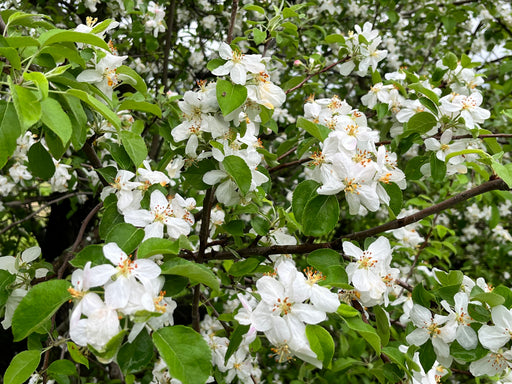
State Fair Apple Tree
Original price
$25.00
-
Original price
$59.00
Original price
$25.00
-
$59.00
$25.00
-
$59.00
Current price
$25.00
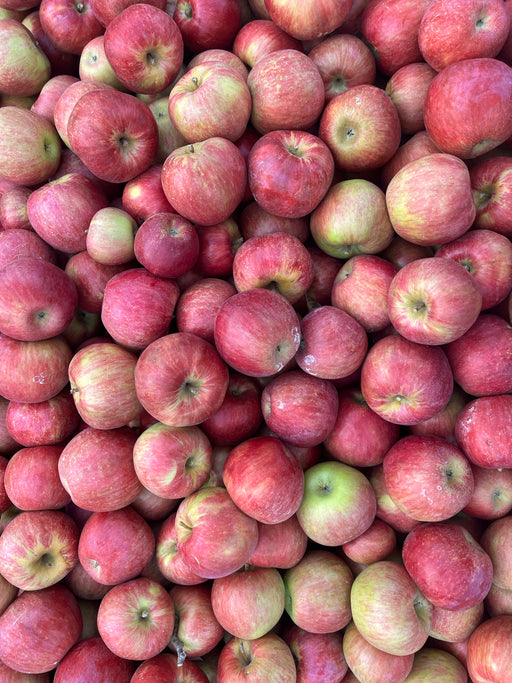
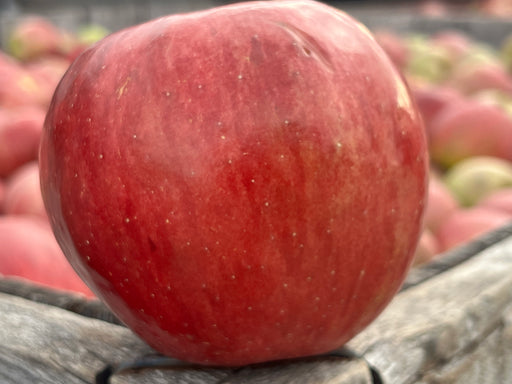
This apple ripens around the time of the Minnesota State Fair, hence the name, and is the parent of another early variety also of UofM: Zestar!®. D...
View full details
Original price
$25.00
-
Original price
$59.00
Original price
$25.00
-
$59.00
$25.00
-
$59.00
Current price
$25.00
Sweet Sixteen Apple Tree
Original price
$25.00
-
Original price
$59.00
Original price
$25.00
-
$59.00
$25.00
-
$59.00
Current price
$25.00
This University of Minnesota variety was introduced in 1977 and is a cross between the Northern Spy and MN 447 (Frostbite) Apples. Commercially via...
View full details
Original price
$25.00
-
Original price
$59.00
Original price
$25.00
-
$59.00
$25.00
-
$59.00
Current price
$25.00

Triumph™ Apple Tree
Original price
$25.00
-
Original price
$59.00
Original price
$25.00
-
$59.00
$25.00
-
$59.00
Current price
$25.00
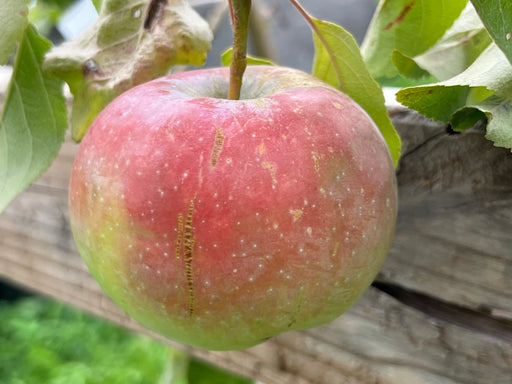
First available in 2021, the Triumph™ apple is a recent University of Minnesota variety. A cross between the Honey Crisp and Liberty apples, the T...
View full details
Original price
$25.00
-
Original price
$59.00
Original price
$25.00
-
$59.00
$25.00
-
$59.00
Current price
$25.00
Whitney Crabapple Tree
Original price
$25.00
-
Original price
$79.00
Original price
$25.00
-
$79.00
$25.00
-
$79.00
Current price
$25.00
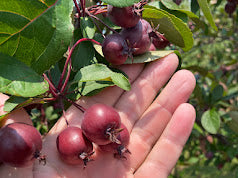
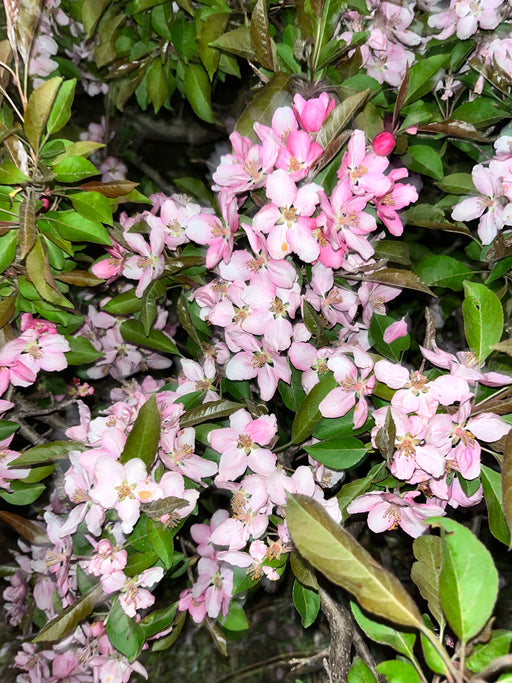
A.R. Whitney of Whitney Nursery first grew this crabapple from seed in 1865 and it is one of the only crabapples one can eat off the tree. It is pr...
View full details
Original price
$25.00
-
Original price
$79.00
Original price
$25.00
-
$79.00
$25.00
-
$79.00
Current price
$25.00
Wolf River Apple Tree
Original price
$25.00
-
Original price
$99.00
Original price
$25.00
-
$99.00
$25.00
-
$99.00
Current price
$25.00
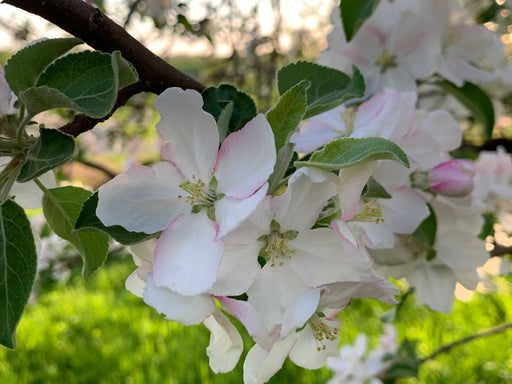
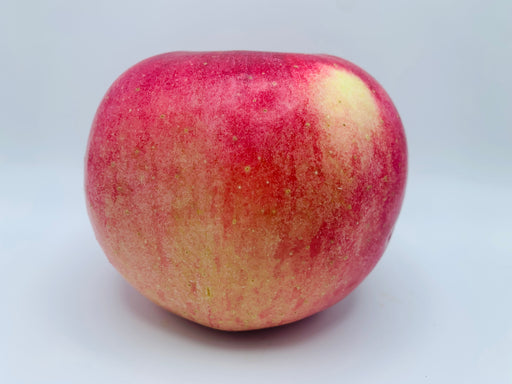
This is an enormous apple. First discovered in 1875 along the Wolf River in Wisconsin- this apple soon became a popular baking apple because you on...
View full details
Original price
$25.00
-
Original price
$99.00
Original price
$25.00
-
$99.00
$25.00
-
$99.00
Current price
$25.00


Yellow Honeycrisp Apple Tree
Original price
$25.00
-
Original price
$59.00
Original price
$25.00
-
$59.00
$25.00
-
$59.00
Current price
$25.00
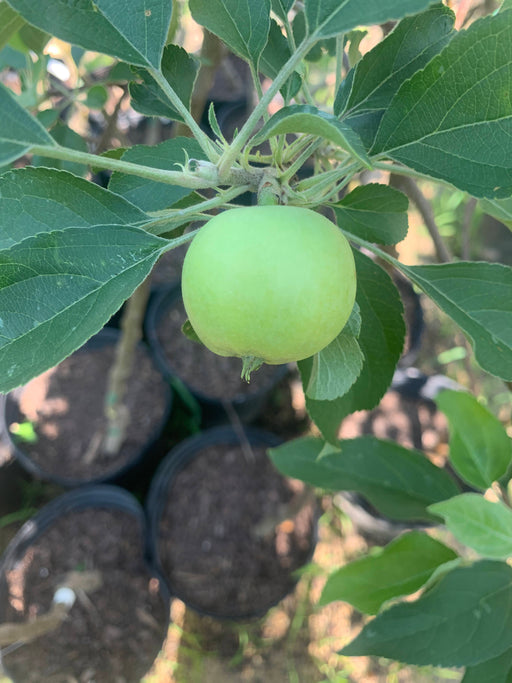
A very recent, like within the last 2 years, sport of the ever popular Honeycrisp Apple. Except this apple is yellow. Similar in flavor and size to...
View full details
Original price
$25.00
-
Original price
$59.00
Original price
$25.00
-
$59.00
$25.00
-
$59.00
Current price
$25.00
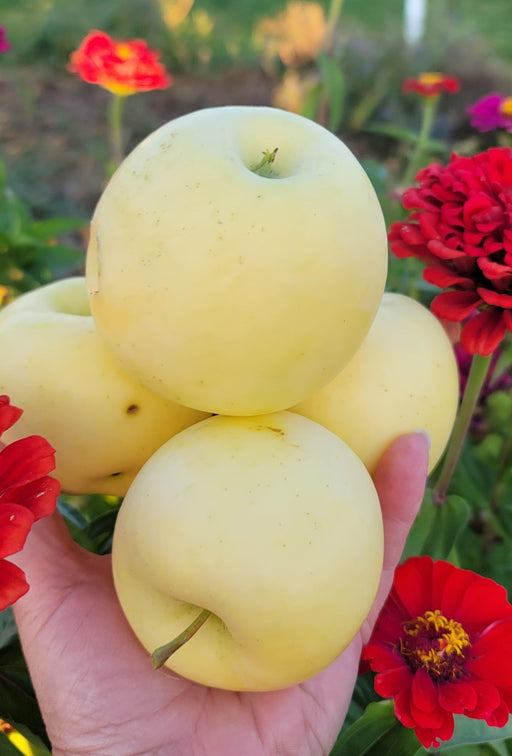
Yellow Transparent Apple Tree
Original price
$25.00
-
Original price
$79.00
Original price
$25.00
-
$79.00
$25.00
-
$79.00
Current price
$25.00
This apple was one of several cold hardy varieties imported from Russia to help with Western Expansion. In the 1870s, as Americans moved into colde...
View full details
Original price
$25.00
-
Original price
$79.00
Original price
$25.00
-
$79.00
$25.00
-
$79.00
Current price
$25.00

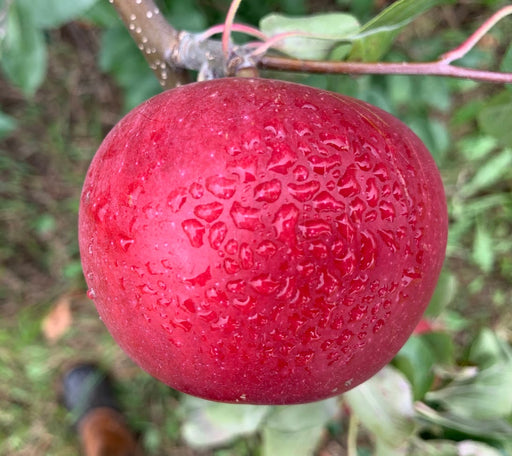
Zestar!® Apple Tree
Original price
$35.00
-
Original price
$59.00
Original price
$35.00
-
$59.00
$35.00
-
$59.00
Current price
$35.00
Introduced in 1999 by the University of Minnesota as another cold hardy apple. The Zestar, also called Minnewashta, is a cross between the State Fa...
View full details
Original price
$35.00
-
Original price
$59.00
Original price
$35.00
-
$59.00
$35.00
-
$59.00
Current price
$35.00