Apple Trees
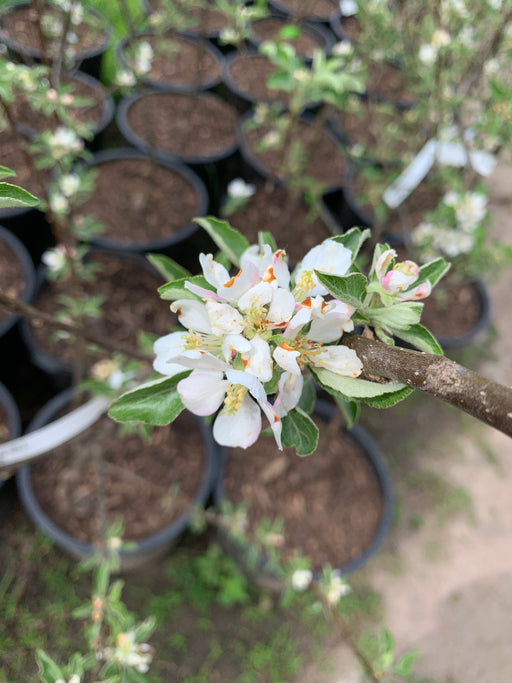
Our apple trees, like many fruit trees, are propagated by grafting. There are two parts to an apple tree. The scion is the fruiting part of the tree, which gives you the variety of the apple, and the rootstock, which influences the mature size and hardiness of the tree, and determines the time it takes for the tree to fruit. We sell Standard, Semi-Dwarf, Dwarf, and Mini-Dwarf trees that do not require a lot of space and yet, will bear large fruit.
A few key notes on successful planting methods:
- Trees must be planted in well-drained soil
- Six hours of sunlight; full sun preferred
- Stake all trees for the first two years
- Dwarfs must have permanent stakes
- Tree guards should be used
- Plant at least two different apple tree varieties for Cross-Pollination
- Plant disease-resistant trees for less maintenance; we are happy to help make any suggestions you might need
We categorize our apple trees into at least five sizes: Petite, Maiden, Field Ready, Hand Select, and Container depending on the size of the tree. The Petite tree is our smallest graded tree less than 2 years in age; Maiden trees are usually 2 years old and are branchless. These are also called whips and will bear in 2-3 years. A Field Ready tree is 2-3 years old and might have some lateral branching, be thicker above the graft, and will bear in 1-2 years. The Hand Select trees are only about 20% of trees we have and are 3 year old trees, 6-9’ tall and can be heavily branched. You can expect fruiting on a Hand Select tree in about a year.
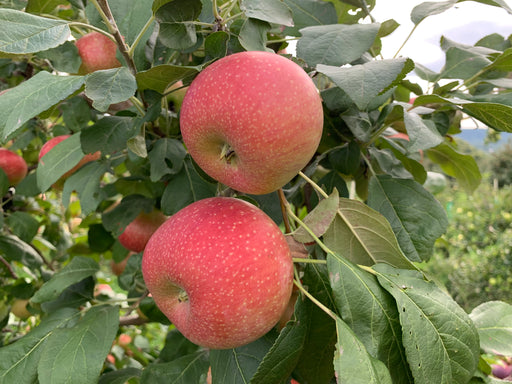
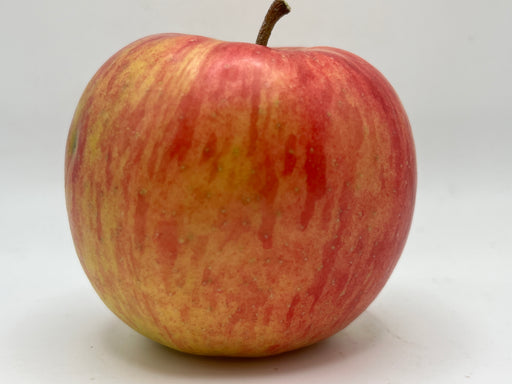
Creston Apple Tree
Original price
$25.00
-
Original price
$85.00
Original price
$25.00
-
$85.00
$25.00
-
$85.00
Current price
$25.00
Developed in the 1990s by the Pacific Agri-Food Centre in British Columbia and is another offspring of the prodigious Golden Delicious. This apple ...
View full details
Original price
$25.00
-
Original price
$85.00
Original price
$25.00
-
$85.00
$25.00
-
$85.00
Current price
$25.00
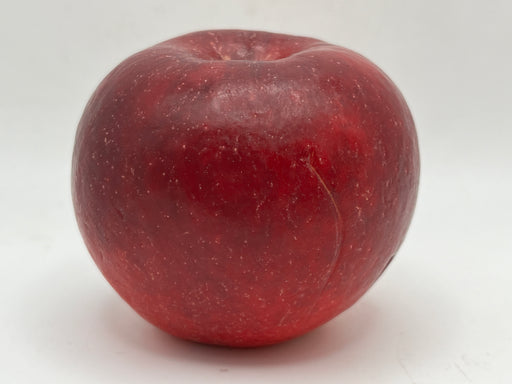
CrimsonCrisp® Apple Tree
Original price
$41.00
-
Original price
$85.00
Original price
$41.00
-
$85.00
$41.00
-
$85.00
Current price
$41.00
First created at Rutgers Fruit Research Center in New Jersey in 1971 and is a cross between apple PCF2-134 and PRI 669-205. The CrimsonCrisp® was c...
View full details
Original price
$41.00
-
Original price
$85.00
Original price
$41.00
-
$85.00
$41.00
-
$85.00
Current price
$41.00
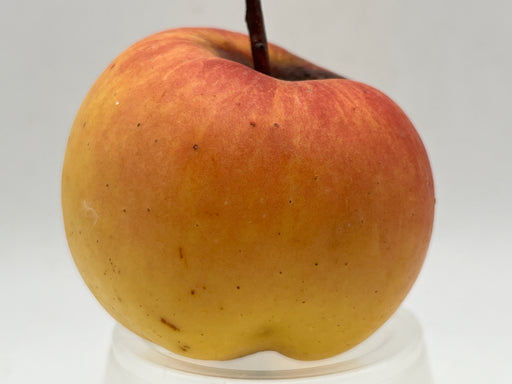
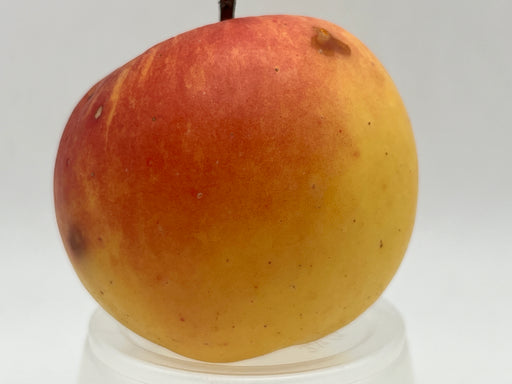
Criterion Apple Tree
Original price
$41.00
-
Original price
$65.00
Original price
$41.00
-
$65.00
$41.00
-
$65.00
Current price
$41.00
The Criterion apple was discovered as a chance seedling near Parker, WA in 1968 and is descended from the Golden Delicious, Red Delicious, and W...
View full details
Original price
$41.00
-
Original price
$65.00
Original price
$41.00
-
$65.00
$41.00
-
$65.00
Current price
$41.00

Crunch-a-Bunch® Apple Tree
Original price
$25.00
-
Original price
$65.00
Original price
$25.00
-
$65.00
$25.00
-
$65.00
Current price
$25.00
A yellow dessert apple with a fantastic crunch. Very sweet- coming in at 15-18 Brix. Cloned asexually from a farm in Pataskala, OH in 2010, the tre...
View full details
Original price
$25.00
-
Original price
$65.00
Original price
$25.00
-
$65.00
$25.00
-
$65.00
Current price
$25.00
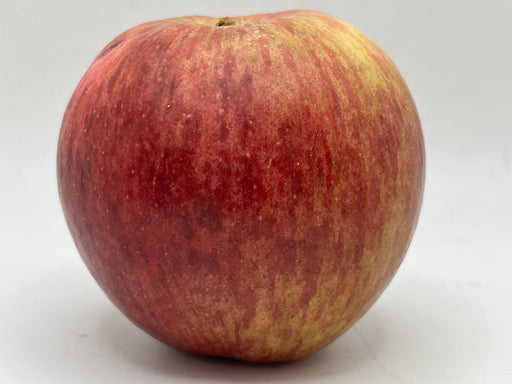
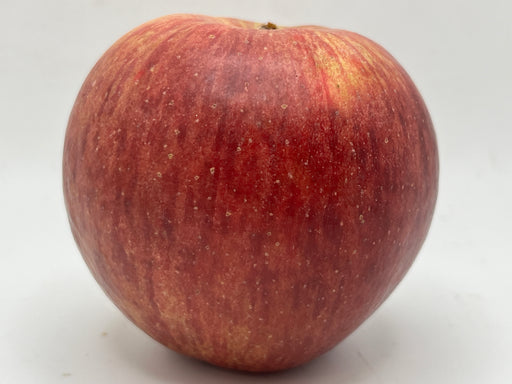
Dabinett Apple Tree
Original price
$41.00
-
Original price
$65.00
Original price
$41.00
-
$65.00
$41.00
-
$65.00
Current price
$41.00
The Dabinett Apple dates back to a chance discovery by William Dabinett (for whom it is named) in the early 1800s at his orchard in Somerset, Engla...
View full details
Original price
$41.00
-
Original price
$65.00
Original price
$41.00
-
$65.00
$41.00
-
$65.00
Current price
$41.00


Dick's Delicious Apple Tree
Original price
$41.00
-
Original price
$65.00
Original price
$41.00
-
$65.00
$41.00
-
$65.00
Current price
$41.00
A discovered foundling from right here in Gays Mills, WI. This early September variety is a larger sport of the Red Delicious Apple. It can vary in...
View full details
Original price
$41.00
-
Original price
$65.00
Original price
$41.00
-
$65.00
$41.00
-
$65.00
Current price
$41.00

Dorsett Golden Apple Tree
Original price
$25.00
-
Original price
$65.00
Original price
$25.00
-
$65.00
$25.00
-
$65.00
Current price
$25.00
Early blooming golden apple that grows well in warmer climates. Should be paired with an early blooming apple for best pollination. Firm crispy fle...
View full details
Original price
$25.00
-
Original price
$65.00
Original price
$25.00
-
$65.00
$25.00
-
$65.00
Current price
$25.00


Early Strawberry Apple Tree
Original price
$41.00
-
Original price
$85.00
Original price
$41.00
-
$85.00
$41.00
-
$85.00
Current price
$41.00
Description coming soon! USDA Zone: 3-7 Mature Height: B.9 ~8-10' tall; Dwarf Sun: Full Sun Bloom Group: 3, Mid Season Ripening Time: Late Septembe...
View full details
Original price
$41.00
-
Original price
$85.00
Original price
$41.00
-
$85.00
$41.00
-
$85.00
Current price
$41.00


Ellis Bitter Apple Tree
Original price
$25.00
-
Original price
$65.00
Original price
$25.00
-
$65.00
$25.00
-
$65.00
Current price
$25.00
English heirloom cider apple discovered in the 1800s. Generally not used for fresh eating. Apples grow in cluster along the branch and are slightly...
View full details
Original price
$25.00
-
Original price
$65.00
Original price
$25.00
-
$65.00
$25.00
-
$65.00
Current price
$25.00
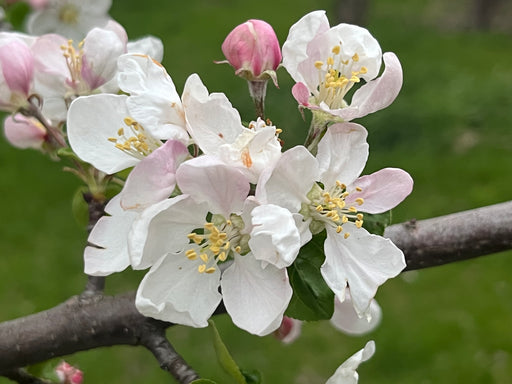
Elstar Apple Tree
Original price
$25.00
-
Original price
$65.00
Original price
$25.00
-
$65.00
$25.00
-
$65.00
Current price
$25.00
Dutch dessert apple first crossed in the 1950s. It can count the Golden Delicious in its parentage which gives the apple a well balanced flavor tha...
View full details
Original price
$25.00
-
Original price
$65.00
Original price
$25.00
-
$65.00
$25.00
-
$65.00
Current price
$25.00
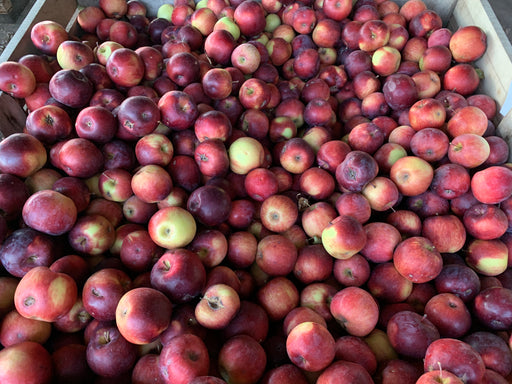
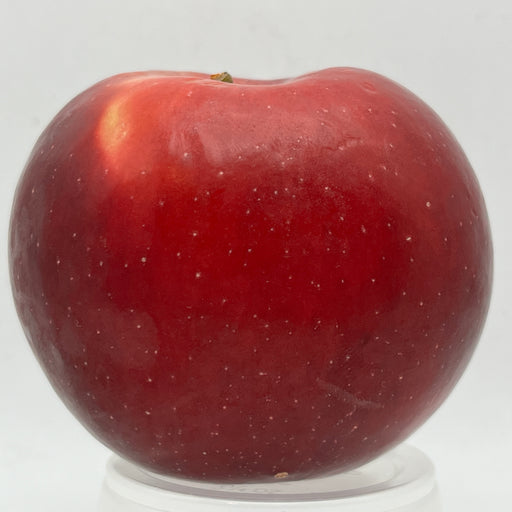
Empire Apple Tree
Original price
$25.00
-
Original price
$119.00
Original price
$25.00
-
$119.00
$25.00
-
$119.00
Current price
$25.00
The Empire is a hybrid of the McIntosh and Red Delicious apple varieties, and was developed by the New York State Agricultural Experiment Station i...
View full details
Original price
$25.00
-
Original price
$119.00
Original price
$25.00
-
$119.00
$25.00
-
$119.00
Current price
$25.00
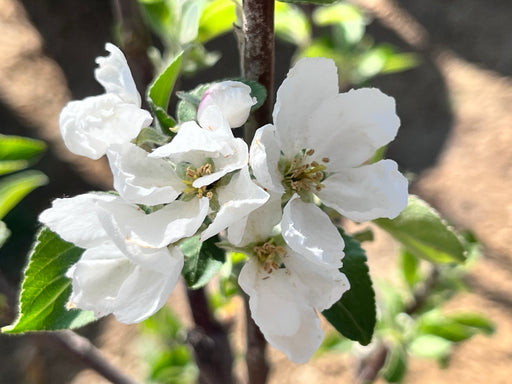
Empress Apple Tree
Original price
$41.00
-
Original price
$65.00
Original price
$41.00
-
$65.00
$41.00
-
$65.00
Current price
$41.00
L. Frederic Hough of Rutgers University first crossed this tree in 1969 by pairing the Jonamac x Vista Bells apples. The tree, having a similar sha...
View full details
Original price
$41.00
-
Original price
$65.00
Original price
$41.00
-
$65.00
$41.00
-
$65.00
Current price
$41.00
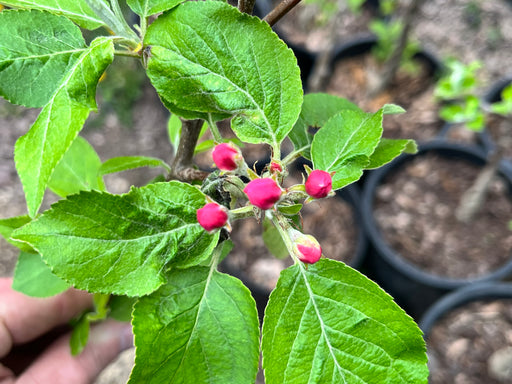
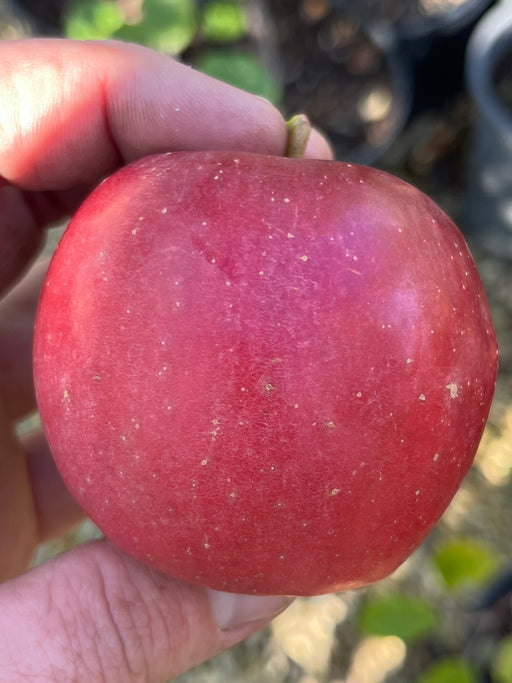
Enterprise Apple Tree
Original price
$25.00
-
Original price
$119.00
Original price
$25.00
-
$119.00
$25.00
-
$119.00
Current price
$25.00
The apple cultivar ‘Enterprise’ (Malus × domestica Borkh.) is a late-maturing, red dessert apple notable for its high fruit quality and broad-spect...
View full details
Original price
$25.00
-
Original price
$119.00
Original price
$25.00
-
$119.00
$25.00
-
$119.00
Current price
$25.00


Esopus Spitzenburg Apple Trees
Original price
$25.00
-
Original price
$65.00
Original price
$25.00
-
$65.00
$25.00
-
$65.00
Current price
$25.00
Dutch settlers discovered this apple along the Hudson River near a settlement called Esopus- hence its name- which stands about halfway between New...
View full details
Original price
$25.00
-
Original price
$65.00
Original price
$25.00
-
$65.00
$25.00
-
$65.00
Current price
$25.00

Fameuse Snow Apple Trees
Original price
$25.00
-
Original price
$249.00
Original price
$25.00
-
$249.00
$25.00
-
$249.00
Current price
$25.00
While records of this apple date back to the early 1700s, the Fameuse apple truly gained in popularity in the 1850s in Quebec, Canada due to its ex...
View full details
Original price
$25.00
-
Original price
$249.00
Original price
$25.00
-
$249.00
$25.00
-
$249.00
Current price
$25.00

Firecracker® (NY109) Apple Trees
Original price
$41.00
-
Original price
$65.00
Original price
$41.00
-
$65.00
$41.00
-
$65.00
Current price
$41.00
Also called NY109, the beautiful Firecracker ® is a 2020 Cornell University Apple Breeding Program release. Excellent for eating, baking and cider ...
View full details
Original price
$41.00
-
Original price
$65.00
Original price
$41.00
-
$65.00
$41.00
-
$65.00
Current price
$41.00
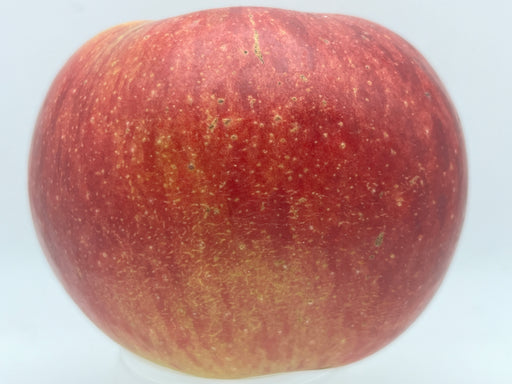
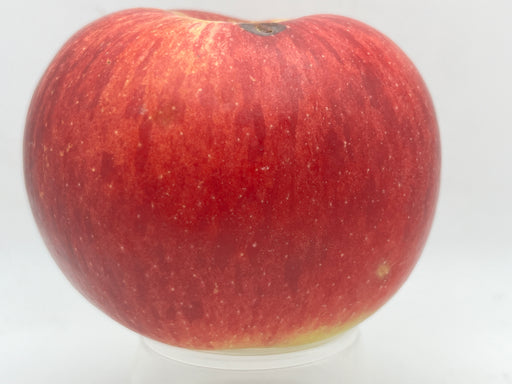
Fireside Apple Trees
Original price
$25.00
-
Original price
$65.00
Original price
$25.00
-
$65.00
$25.00
-
$65.00
Current price
$25.00
A cross of McIntosh and Glogerovka developed by Charles Haralson in 1917 at University of Minnesota's Agricultural Experiment Station in Excelsior,...
View full details
Original price
$25.00
-
Original price
$65.00
Original price
$25.00
-
$65.00
$25.00
-
$65.00
Current price
$25.00
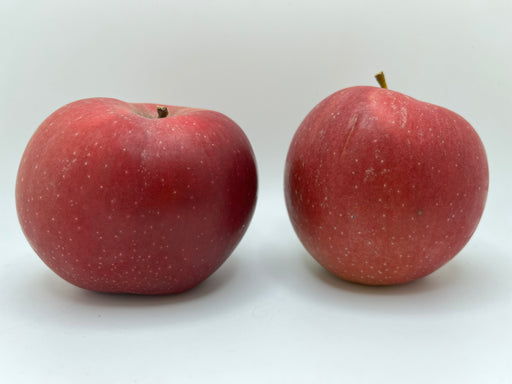

Fortune Apple Trees
Original price
$41.00
-
Original price
$65.00
Original price
$41.00
-
$65.00
$41.00
-
$65.00
Current price
$41.00
Fortune is a hybrid from Cornell University developed by combining the Schoharie Spy with the disease-resistant Empire. The result was a high-perf...
View full details
Original price
$41.00
-
Original price
$65.00
Original price
$41.00
-
$65.00
$41.00
-
$65.00
Current price
$41.00
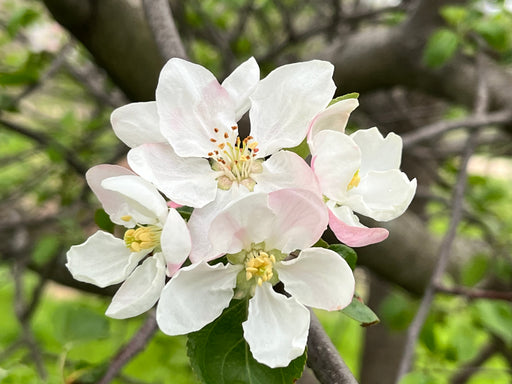
Franklin Apple Tree
Original price
$41.00
-
Original price
$65.00
Original price
$41.00
-
$65.00
$41.00
-
$65.00
Current price
$41.00
The Franklin apple (also known as the Mayo apple) represents a modern triumph for both cider enthusiasts and home orchardists. Discovered around 20...
View full details
Original price
$41.00
-
Original price
$65.00
Original price
$41.00
-
$65.00
$41.00
-
$65.00
Current price
$41.00
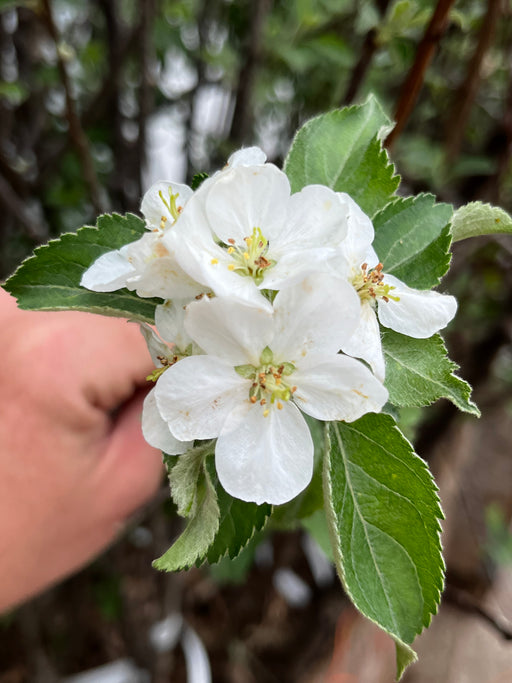
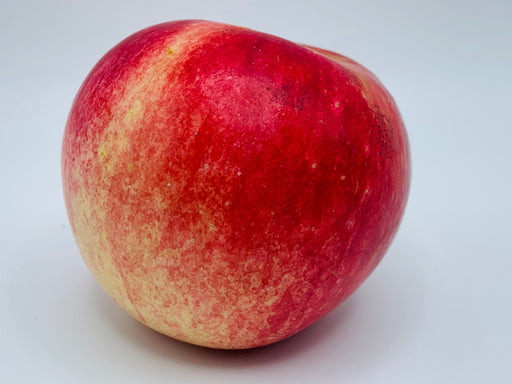
Freedom Apple Trees
Original price
$25.00
-
Original price
$85.00
Original price
$25.00
-
$85.00
$25.00
-
$85.00
Current price
$25.00
Developed from the New York State Agricultural Experiment Station in the 1950s; the Freedom Apple counts the McIntosh, Macoun, the ever prolific Go...
View full details
Original price
$25.00
-
Original price
$85.00
Original price
$25.00
-
$85.00
$25.00
-
$85.00
Current price
$25.00
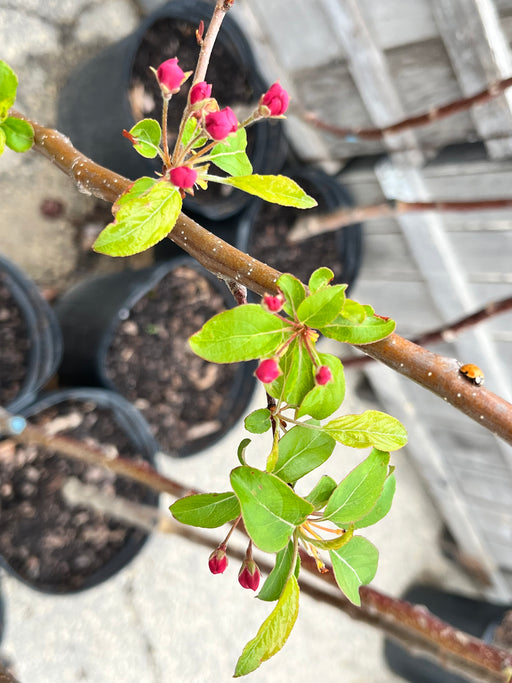
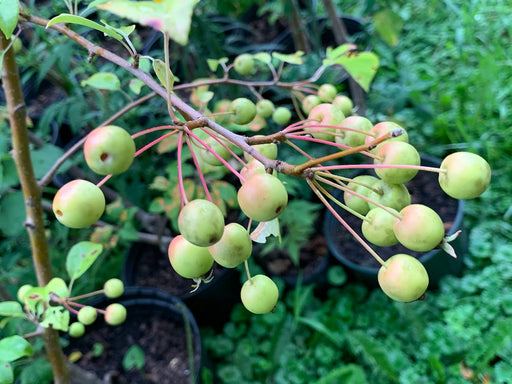
Frettingham Crabapple Trees
Original price
$41.00
-
Original price
$65.00
Original price
$41.00
-
$65.00
$41.00
-
$65.00
Current price
$41.00
A Mid- Late season bloomer, these white blossomed, single petaled crabapples are small and numerous on the tree. Excellent pollinators for apple tr...
View full details
Original price
$41.00
-
Original price
$65.00
Original price
$41.00
-
$65.00
$41.00
-
$65.00
Current price
$41.00

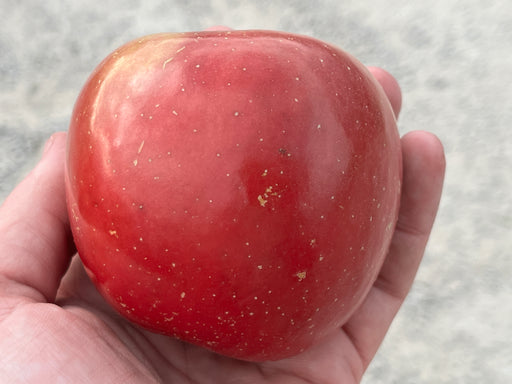
Fuji Apple Tree
Original price
$25.00
-
Original price
$249.00
Original price
$25.00
-
$249.00
$25.00
-
$249.00
Current price
$25.00
First bred in the 1930s, this apple has grown to be one of the most popular apples sold around the world. Its lengthy storage abilities and crisp t...
View full details
Original price
$25.00
-
Original price
$249.00
Original price
$25.00
-
$249.00
$25.00
-
$249.00
Current price
$25.00
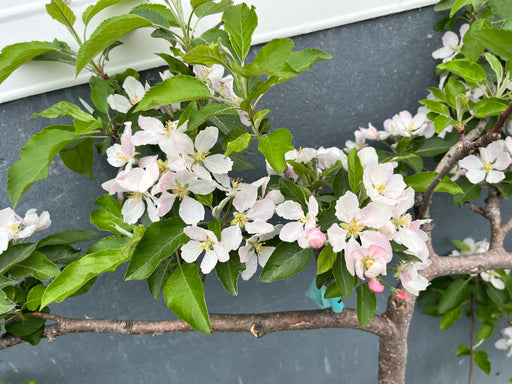
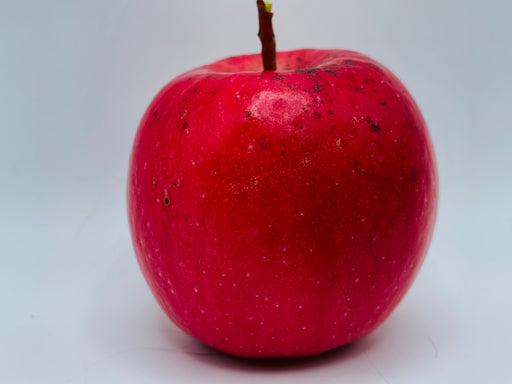
Gala Apple Tree
Original price
$25.00
-
Original price
$249.00
Original price
$25.00
-
$249.00
$25.00
-
$249.00
Current price
$25.00
James H. Kidd first discovered the Gala Apple as one of several seedlings that results from a breeding program in New Zealand. The Gala first gaine...
View full details
Original price
$25.00
-
Original price
$249.00
Original price
$25.00
-
$249.00
$25.00
-
$249.00
Current price
$25.00

Galarina™ Apple Tree
Original price
$41.00
-
Original price
$65.00
Original price
$41.00
-
$65.00
$41.00
-
$65.00
Current price
$41.00
First crossed at the Institut National de la Recherche Agronomique in Angers, France in 1985 as a disease resistant offspring of the Gala Apple. It...
View full details
Original price
$41.00
-
Original price
$65.00
Original price
$41.00
-
$65.00
$41.00
-
$65.00
Current price
$41.00