Apple Trees
Our apple trees, like many fruit trees, are propagated by grafting. There are two parts to an apple tree. The scion is the fruiting part of the tree, which gives you the variety of the apple, and the rootstock, which influences the mature size and hardiness of the tree, and determines the time it takes for the tree to fruit. We sell Standard, Semi-Dwarf, Dwarf, and Mini-Dwarf trees that do not require a lot of space and yet, will bear large fruit.
A few key notes on successful planting methods:
- Trees must be planted in well-drained soil
- Six hours of sunlight; full sun preferred
- Stake all trees for the first two years
- Dwarfs must have permanent stakes
- Tree guards should be used
- Plant at least two different apple tree varieties for Cross-Pollination
- Plant disease-resistant trees for less maintenance; we are happy to help make any suggestions you might need
We categorize our apple trees into at least five sizes: Petite, Maiden, Field Ready, Hand Select, and Container depending on the size of the tree. The Petite tree is our smallest graded tree less than 2 years in age; Maiden trees are usually 2 years old and are branchless. These are also called whips and will bear in 2-3 years. A Field Ready tree is 2-3 years old and might have some lateral branching, be thicker above the graft, and will bear in 1-2 years. The Hand Select trees are only about 20% of trees we have and are 3 year old trees, 6-9’ tall and can be heavily branched. You can expect fruiting on a Hand Select tree in about a year.


Jonathan Apple Trees
Original price
$25.00
-
Original price
$99.00
Original price
$25.00
-
$99.00
$25.00
-
$99.00
Current price
$25.00
The Jonathan apple is a seedling of the Esopus Spitzenburg discovered in 1826 on Philip Ricks' farm in Woodstock, NY. A different person, Jonathan ...
View full details
Original price
$25.00
-
Original price
$99.00
Original price
$25.00
-
$99.00
$25.00
-
$99.00
Current price
$25.00
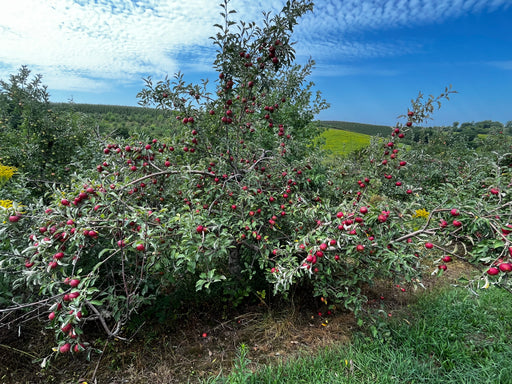
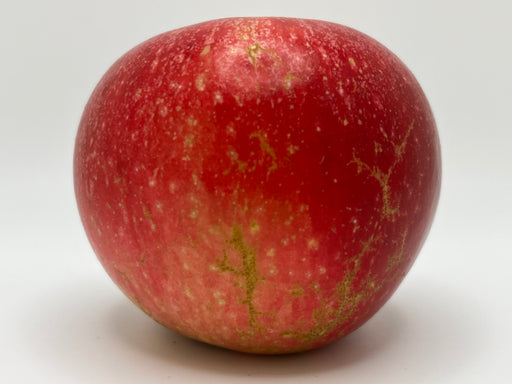
Kickapoo Spice Apple Tree
Original price
$25.00
-
Original price
$99.00
Original price
$25.00
-
$99.00
$25.00
-
$99.00
Current price
$25.00
A foundling created right here at our very own orchard, in Gays Mills, WI by Bill and Marlene Meyer. A perfectly red, sweet, with a hint of cinnamo...
View full details
Original price
$25.00
-
Original price
$99.00
Original price
$25.00
-
$99.00
$25.00
-
$99.00
Current price
$25.00

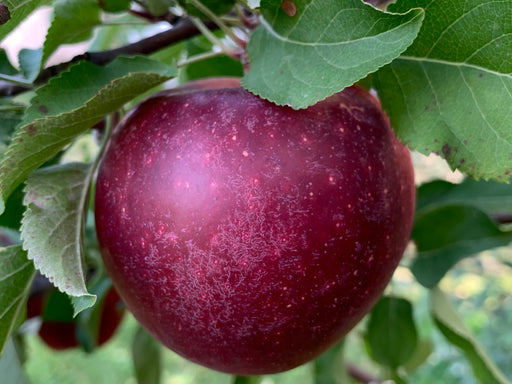
King David Apple Trees
Original price
$25.00
-
Original price
$249.00
Original price
$25.00
-
$249.00
$25.00
-
$249.00
Current price
$25.00
Discovered by chance in an orchard in Washington County, Arkansas in 1893, the King David Apple is probably an offspring of Jonathan and Arkansas B...
View full details
Original price
$25.00
-
Original price
$249.00
Original price
$25.00
-
$249.00
$25.00
-
$249.00
Current price
$25.00


Kingston Black Apple Trees
Original price
$35.00
-
Original price
$59.00
Original price
$35.00
-
$59.00
$35.00
-
$59.00
Current price
$35.00
Small, juicy with some tannic acid giving it a dry-ish consistency, coarse grained, white fleshed, sweet but not too sweet, little to no tang, chew...
View full details
Original price
$35.00
-
Original price
$59.00
Original price
$35.00
-
$59.00
$35.00
-
$59.00
Current price
$35.00

Kudos® Apple Tree
Original price
$25.00
-
Original price
$59.00
Original price
$25.00
-
$59.00
$25.00
-
$59.00
Current price
$25.00
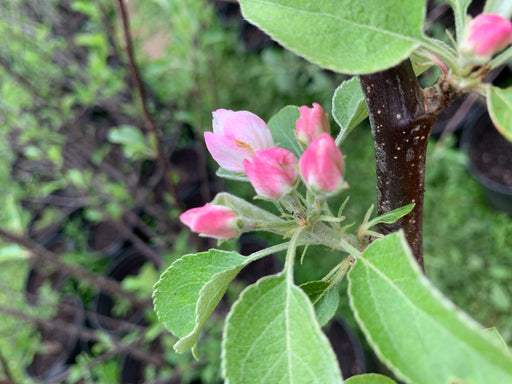
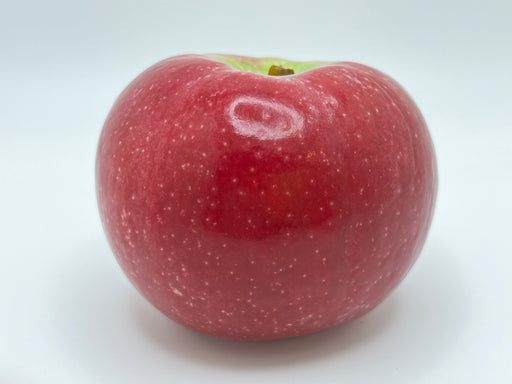
Also known as MN33, the Kudos® (MN33 Cltv.) Apple is a newer apple tree out of the University of Minnesota released in 2022 and is a cross between ...
View full details
Original price
$25.00
-
Original price
$59.00
Original price
$25.00
-
$59.00
$25.00
-
$59.00
Current price
$25.00
Liberty Apple Trees
Original price
$25.00
-
Original price
$79.00
Original price
$25.00
-
$79.00
$25.00
-
$79.00
Current price
$25.00
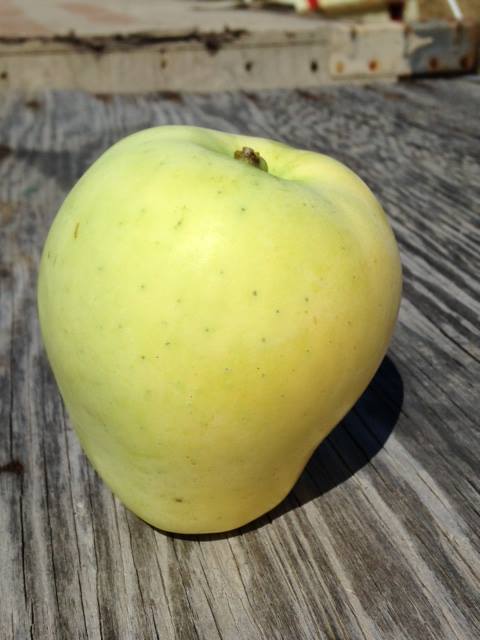
Developed in 1955 at the NYSAES as an offspring of the Macoun and Purdue 54-12 (a Japanese flowering crabapple) to create an extremely disease resi...
View full details
Original price
$25.00
-
Original price
$79.00
Original price
$25.00
-
$79.00
$25.00
-
$79.00
Current price
$25.00
Lodi Apple Trees
Original price
$35.00
-
Original price
$59.00
Original price
$35.00
-
$59.00
$35.00
-
$59.00
Current price
$35.00
Like other early apples, the Lodi Apple is great for apple sauce and purees. It does not store well but can freeze quite easily for use later. It i...
View full details
Original price
$35.00
-
Original price
$59.00
Original price
$35.00
-
$59.00
$35.00
-
$59.00
Current price
$35.00

Lucy(™) Rose Apple Tree
Original price
$25.00
-
Original price
$59.00
Original price
$25.00
-
$59.00
$25.00
-
$59.00
Current price
$25.00
Description Coming Soon! USDA Zone: 4-8 Mature Height: G.11 ~11-13' Tall at Maturity; Dwarf Sun: Full Sun Blooms Group: Probably Bloom Group 3 Ripe...
View full details
Original price
$25.00
-
Original price
$59.00
Original price
$25.00
-
$59.00
$25.00
-
$59.00
Current price
$25.00

Lucy™ Glo Apple Tree
Original price
$25.00
-
Original price
$59.00
Original price
$25.00
-
$59.00
$25.00
-
$59.00
Current price
$25.00
The Lucy™ Apple is a cross between a Honeycrisp and Airlie Red Flesh apples to produce a delicious, red fleshed apple. Bill Howell created this app...
View full details
Original price
$25.00
-
Original price
$59.00
Original price
$25.00
-
$59.00
$25.00
-
$59.00
Current price
$25.00
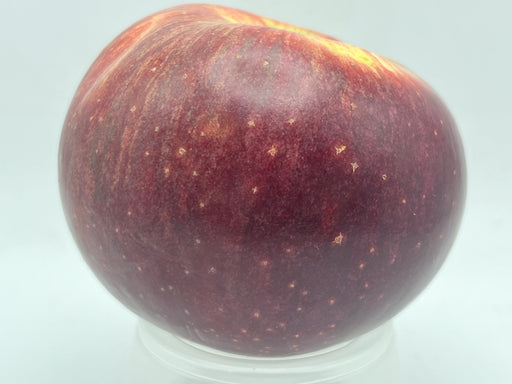
Macoun Apple Trees
Original price
$25.00
-
Original price
$99.00
Original price
$25.00
-
$99.00
$25.00
-
$99.00
Current price
$25.00
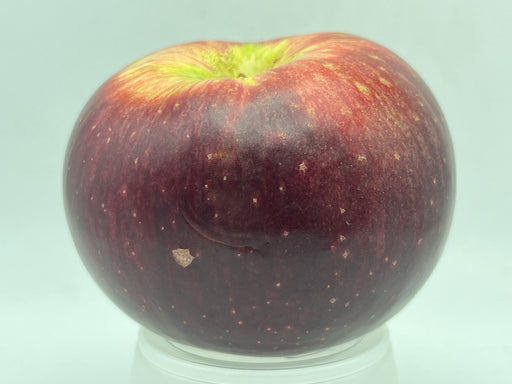
Introduced by the NYSAES in 1923, the Macoun is a cross of McIntosh and Jersey Black. It is named after Canadian horticulturalist W.T. Macoun but w...
View full details
Original price
$25.00
-
Original price
$99.00
Original price
$25.00
-
$99.00
$25.00
-
$99.00
Current price
$25.00

Mollie's Delicious Apple Tree
Original price
$25.00
-
Original price
$59.00
Original price
$25.00
-
$59.00
$25.00
-
$59.00
Current price
$25.00
Mollie’s Delicious is a classic American apple variety developed at the New Jersey Agricultural Experiment Station in New Brunswick, New Jersey, an...
View full details
Original price
$25.00
-
Original price
$59.00
Original price
$25.00
-
$59.00
$25.00
-
$59.00
Current price
$25.00
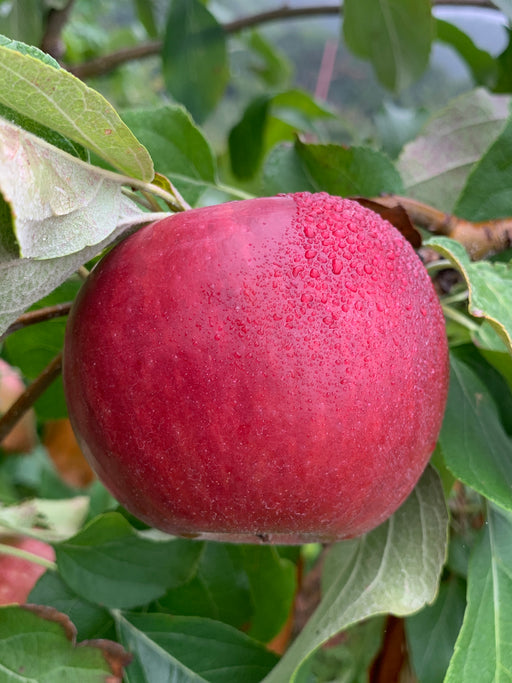
Monarch Apple Trees
Original price
$25.00
-
Original price
$79.00
Original price
$25.00
-
$79.00
$25.00
-
$79.00
Current price
$25.00
An old English (Essex) variety bred in 1888 by crossing a Peasgood's Nonsuch (probably the coolest apple name ever) with a Dumelow's Seedling and c...
View full details
Original price
$25.00
-
Original price
$79.00
Original price
$25.00
-
$79.00
$25.00
-
$79.00
Current price
$25.00

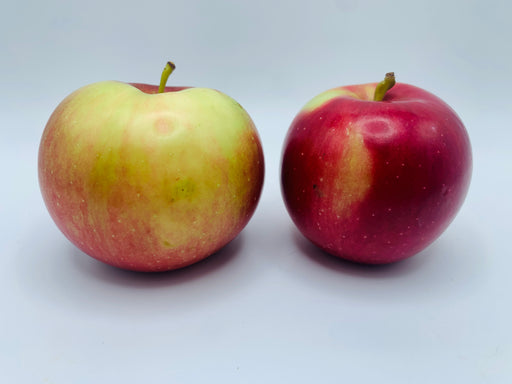
Multi-Grafted Fruit Trees
Original price
$99.00
-
Original price
$99.00
Original price
$99.00
$99.00
-
$99.00
Current price
$99.00
Most Apples, Pears, Cherries, and Plums require multiple trees to pollinate. For those with small yards or gardens- these multi-grafted trees are f...
View full details
Original price
$99.00
-
Original price
$99.00
Original price
$99.00
$99.00
-
$99.00
Current price
$99.00
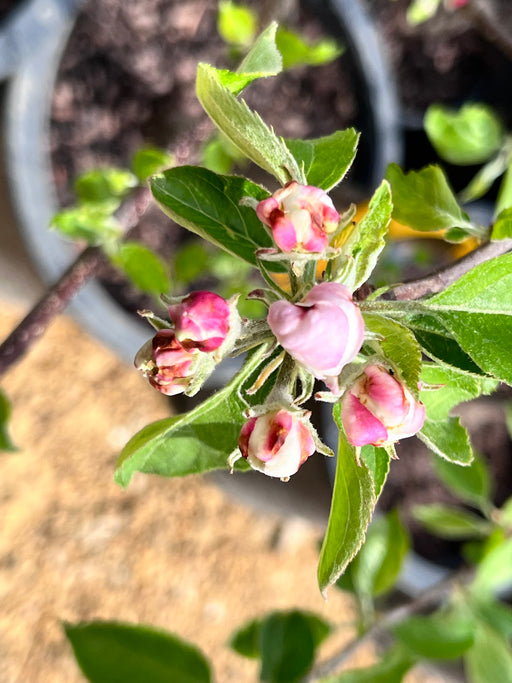
Mutsu Apple Trees
Original price
$25.00
-
Original price
$99.00
Original price
$25.00
-
$99.00
$25.00
-
$99.00
Current price
$25.00
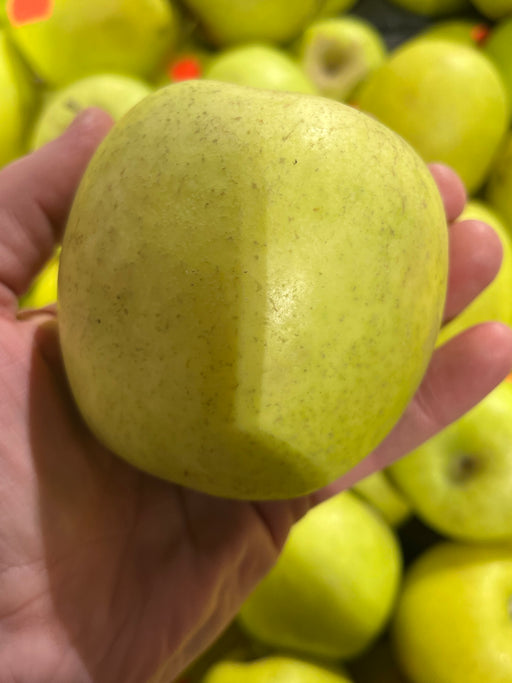
Also known as a Crispin Apple, the Mutsu apple is a cross between the Golden Delicious and Indo apples and originates from the Aomori Prefecture in...
View full details
Original price
$25.00
-
Original price
$99.00
Original price
$25.00
-
$99.00
$25.00
-
$99.00
Current price
$25.00
Newton Pippin Apple Tree
Original price
$35.00
-
Original price
$99.00
Original price
$35.00
-
$99.00
$35.00
-
$99.00
Current price
$35.00
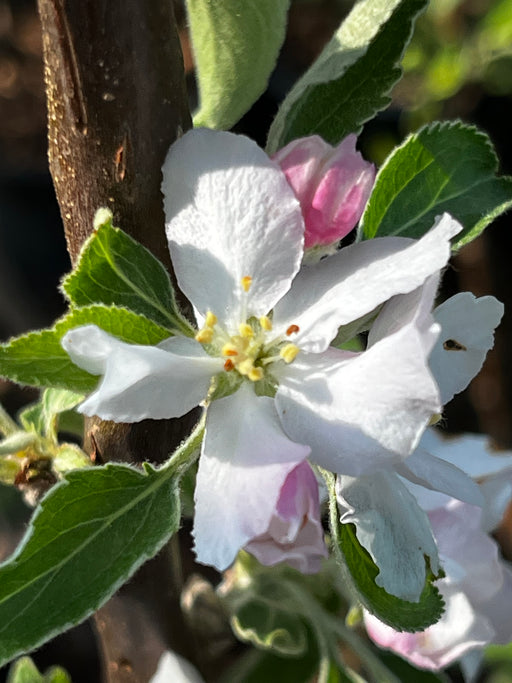
Description Coming Soon. USDA Zone: 4-8 Mature Heights: EMLA.7 ~15-17' tall; Semi-Dwarf M.111 ~18-21' tall; Semi-Dwarf Sun: Full Sun Bloom Group: ...
View full details
Original price
$35.00
-
Original price
$99.00
Original price
$35.00
-
$99.00
$35.00
-
$99.00
Current price
$35.00
Norland Apple Trees
Original price
$35.00
-
Original price
$55.00
Original price
$35.00
-
$55.00
$35.00
-
$55.00
Current price
$35.00
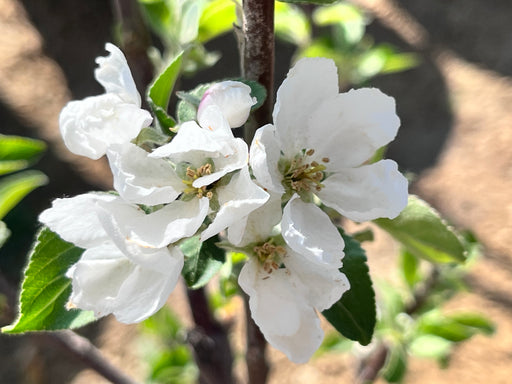
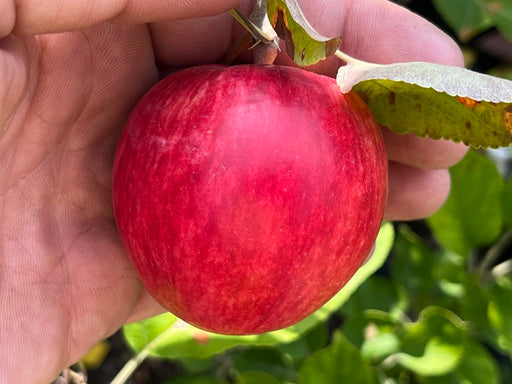
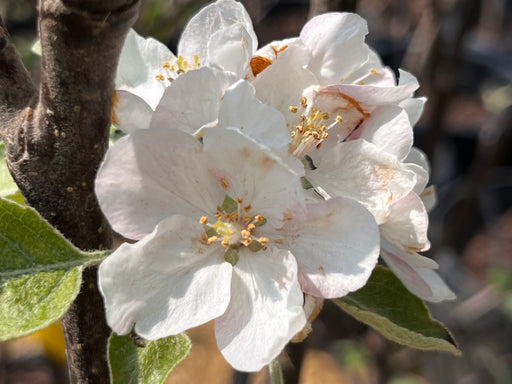
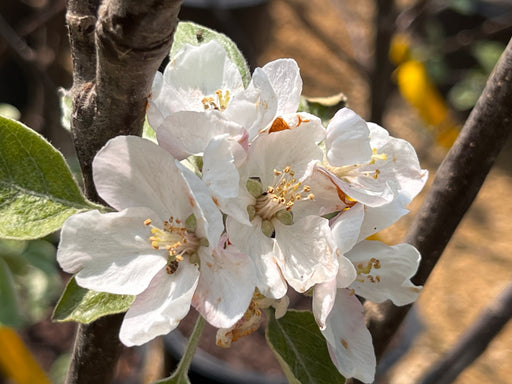
The extremely cold hardy tree originated in 1980 by the Agriculture Canada Research Station in Manitoba, Canada, the Norland Apple is a cross betwe...
View full details
Original price
$35.00
-
Original price
$55.00
Original price
$35.00
-
$55.00
$35.00
-
$55.00
Current price
$35.00
Northern Spy Apple Trees
Original price
$35.00
-
Original price
$99.00
Original price
$35.00
-
$99.00
$35.00
-
$99.00
Current price
$35.00
Originating in 1804 as a seedling on the farm of Herman Chapin in East Bloomfield, NY, the Northern Spy Apple almost did not survive. Attacked by r...
View full details
Original price
$35.00
-
Original price
$99.00
Original price
$35.00
-
$99.00
$35.00
-
$99.00
Current price
$35.00

Northpole™ Columnar Apple Tree
Original price
$41.00
-
Original price
$149.00
Original price
$41.00
-
$149.00
$41.00
-
$149.00
Current price
$41.00
The Northpole columnar apple tree is a compact, upright variety bred for small gardens, patios, and high-density plantings. It produces medium to l...
View full details
Original price
$41.00
-
Original price
$149.00
Original price
$41.00
-
$149.00
$41.00
-
$149.00
Current price
$41.00
Nova Spy Apple Trees
Original price
$25.00
-
Original price
$59.00
Original price
$25.00
-
$59.00
$25.00
-
$59.00
Current price
$25.00
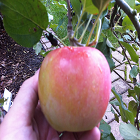
Developed at the Atlantic Food and Horticultural Research Centre in Kentville, Nova Scotia in 1986, the Nova Spy became commercially available in 1...
View full details
Original price
$25.00
-
Original price
$59.00
Original price
$25.00
-
$59.00
$25.00
-
$59.00
Current price
$25.00
Orleans Reinette Apple Tree
Original price
$35.00
-
Original price
$59.00
Original price
$35.00
-
$59.00
$35.00
-
$59.00
Current price
$35.00
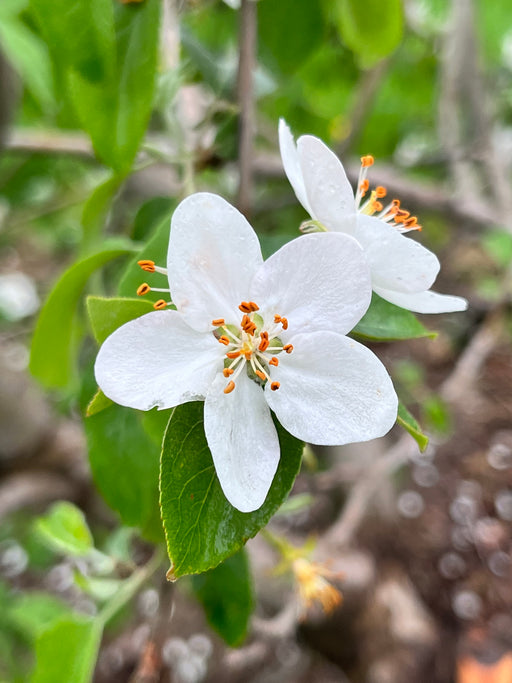
European, probably French given the name, baking apple. First mentioned by the Dutch pomologist (apple expert) Johann Knoop in 1776 though was almo...
View full details
Original price
$35.00
-
Original price
$59.00
Original price
$35.00
-
$59.00
$35.00
-
$59.00
Current price
$35.00
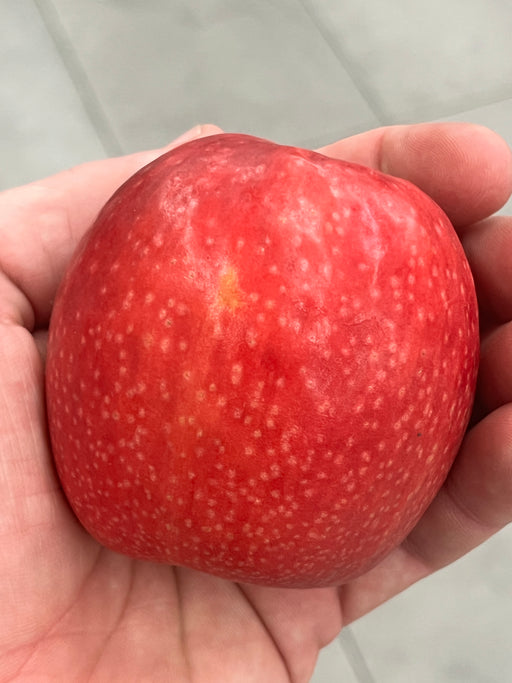
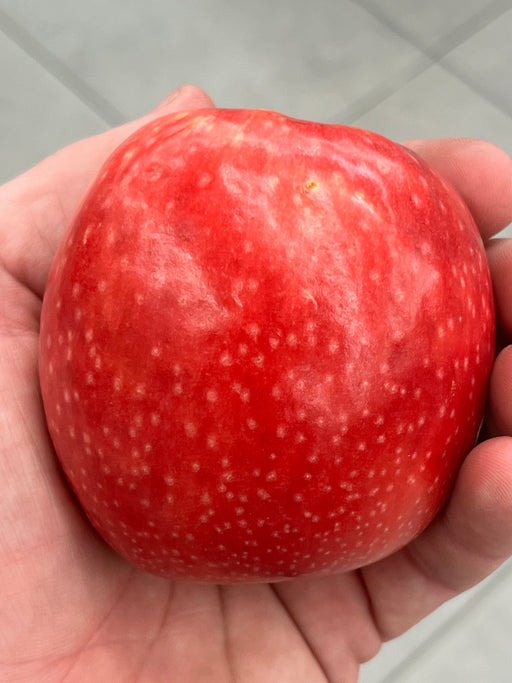
Pink Lady® Apple Trees
Original price
$22.00
-
Original price
$59.00
Original price
$22.00
-
$59.00
$22.00
-
$59.00
Current price
$22.00
Bred at the Department of Agriculture in Western Australia in 1970 by researcher John Cripps. He crossed the red Australian apple Lady Williams wit...
View full details
Original price
$22.00
-
Original price
$59.00
Original price
$22.00
-
$59.00
$22.00
-
$59.00
Current price
$22.00


Pinova Apple Trees
Original price
$25.00
-
Original price
$59.00
Original price
$25.00
-
$59.00
$25.00
-
$59.00
Current price
$25.00
Germany, 1990s. Cross between Golden Delicious × (Duchess of Oldenburg × Cox’s Orange Pippin). Excellent eater with crisp flesh and striated skin. ...
View full details
Original price
$25.00
-
Original price
$59.00
Original price
$25.00
-
$59.00
$25.00
-
$59.00
Current price
$25.00
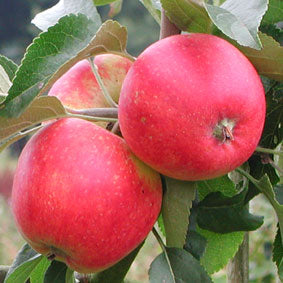
Pixie Crunch™ Apple Trees
Original price
$25.00
-
Original price
$59.00
Original price
$51.00
$25.00
-
$59.00
$25.00
-
$59.00
Current price
$25.00
Pixie Crunch™, or Co-op 33, is a 1971 cultivar of the PRI Institute grown at Purdue University. Descended from the Golden Delicious and Red Rome ap...
View full details
Original price
$25.00
-
Original price
$59.00
Original price
$51.00
$25.00
-
$59.00
$25.00
-
$59.00
Current price
$25.00

Pound Sweet Apple Trees
Original price
$35.00
-
Original price
$59.00
Original price
$35.00
-
$59.00
$35.00
-
$59.00
Current price
$35.00
Originating in Connecticut in 1834, the apple was primarily used for baking in desserts but apparently is not the best in pies. It is green with a ...
View full details
Original price
$35.00
-
Original price
$59.00
Original price
$35.00
-
$59.00
$35.00
-
$59.00
Current price
$35.00