Modern Apples
Our apple trees, like many fruit trees, are propagated by bud style grafting. There are 2 parts to an apple tree. A Scion, which is the fruiting part of the tree, determining the variety and flavor profiles; and the Rootstock, the very foundation of the tree with specific characteristics that influence the mature size, cold-hardiness, any disease resistances or susceptibilities and determines the time it takes for the tree to fruit. To learn more about Rootstock characteristics visit this link or reach out to us!
There are two steps to selecting your tree:
-
First think of the MATURE tree size and the ROOTSTOCK you wish to select. The drop down menu on the page of each tree lists the availability of the MATURE tree size with the ROOTSTOCK listed first:
-
Mini-Dwarf (3-6')
-
Dwarf (6-10')
-
Semi-Dwarf (12-18')
-
Standard/Seedling (20'+)
-
-
Then, choose the SHIPPING or PICK-Up tree size most convenient for you:
- Bare Root Petite: Less than 2 years old, 1-3' tall or 3/8" caliper, are branchless, and estimated to bear in 4-5 years.
- Bare Root Maiden: 2 years old, 3-5' tall or 1/2" caliper and will bear fruit in 2-3 years.
- Bare Root Field Ready: 2-3 years old, 5-6' or 5/8" caliper and might have some lateral branching, are thicker above the graft, and will bear in 1-2 years.
-
Bare Root Hand Select: 3 year old trees, 6-9' tall or 3/4" caliper (or based on availability our Grand 1" caliper), can be branched and bear fruit in about a year.
-
Container: Branched, rooted in pots, and often larger trees in size from 5-12'. Available for pick-up at our Gays Mills, WI location and delivery within 200 miles to our noted zones.

Lucy(™) Rose Apple Tree
Original price
$19.00
-
Original price
$59.00
Original price
$19.00
-
$59.00
$19.00
-
$59.00
Current price
$19.00
Description Coming Soon! USDA Zone: 4-8 Mature Height: G.11 ~11-13' Tall at Maturity; Dwarf Sun: Full Sun Blooms Group: Probably Bloom Group 3 Ripe...
View full details
Original price
$19.00
-
Original price
$59.00
Original price
$19.00
-
$59.00
$19.00
-
$59.00
Current price
$19.00

Lucy™ Glo Apple Tree
Original price
$19.00
-
Original price
$59.00
Original price
$19.00
-
$59.00
$19.00
-
$59.00
Current price
$19.00
The Lucy™ Apple is a cross between a Honeycrisp and Airlie Red Flesh apples to produce a delicious, red fleshed apple. Bill Howell created this app...
View full details
Original price
$19.00
-
Original price
$59.00
Original price
$19.00
-
$59.00
$19.00
-
$59.00
Current price
$19.00
Mutsu Apple Trees
Original price
$19.00
-
Original price
$99.00
Original price
$19.00
-
$99.00
$19.00
-
$99.00
Current price
$19.00
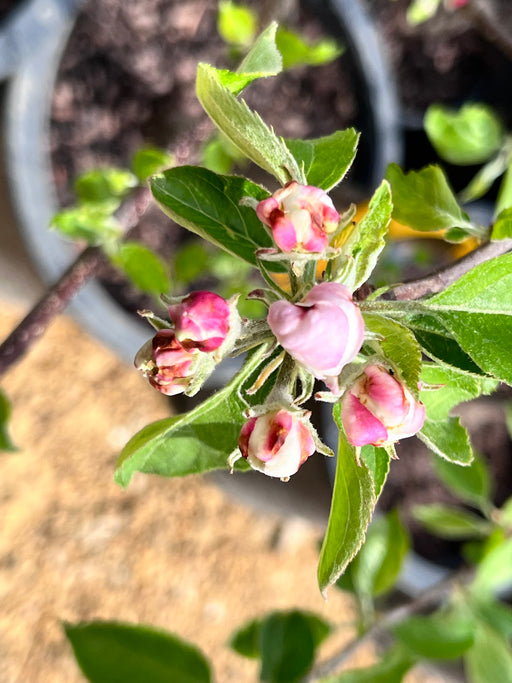
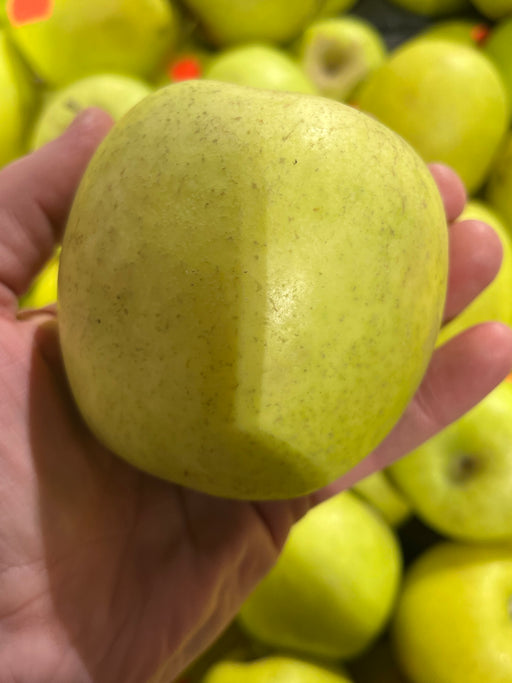
Also known as a Crispin Apple, the Mutsu apple is a cross between the Golden Delicious and Indo apples and originates from the Aomori Prefecture in...
View full details
Original price
$19.00
-
Original price
$99.00
Original price
$19.00
-
$99.00
$19.00
-
$99.00
Current price
$19.00

Northpole™ Columnar Apple Tree
Original price
$41.00
-
Original price
$149.00
Original price
$41.00
-
$149.00
$41.00
-
$149.00
Current price
$41.00
The Northpole columnar apple tree is a compact, upright variety bred for small gardens, patios, and high-density plantings. It produces medium to l...
View full details
Original price
$41.00
-
Original price
$149.00
Original price
$41.00
-
$149.00
$41.00
-
$149.00
Current price
$41.00
Otterson Apple Trees
Original price
$35.00
-
Original price
$59.00
Original price
$35.00
-
$59.00
$35.00
-
$59.00
Current price
$35.00
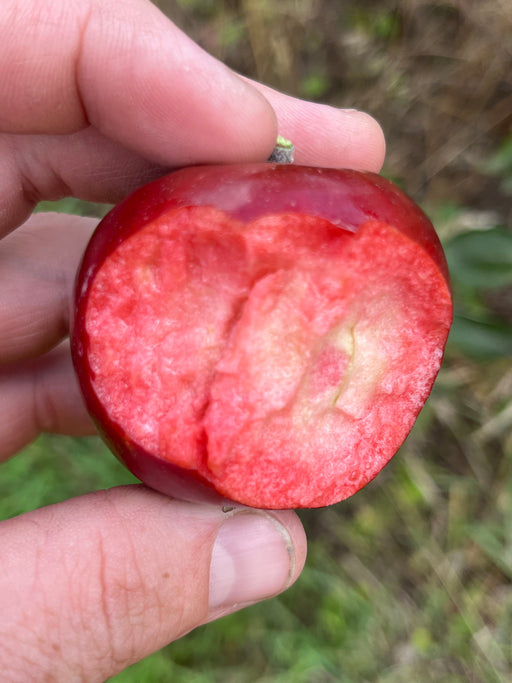
The Otterson is a cross between the Fameuse x Niedzwetzkyana (the ancestor of almost all modern red fleshed apples). A very tart red fleshed crabap...
View full details
Original price
$35.00
-
Original price
$59.00
Original price
$35.00
-
$59.00
$35.00
-
$59.00
Current price
$35.00
Paula Red Apple Tree
Original price
$35.00
-
Original price
$59.00
Original price
$35.00
-
$59.00
$35.00
-
$59.00
Current price
$35.00
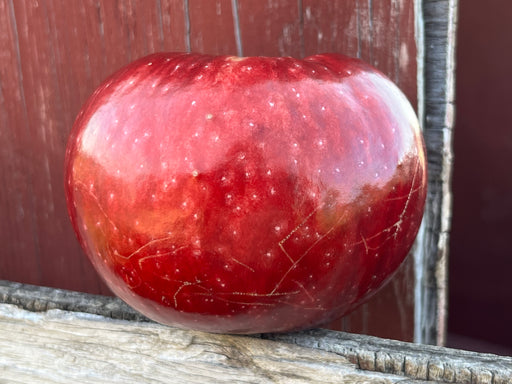
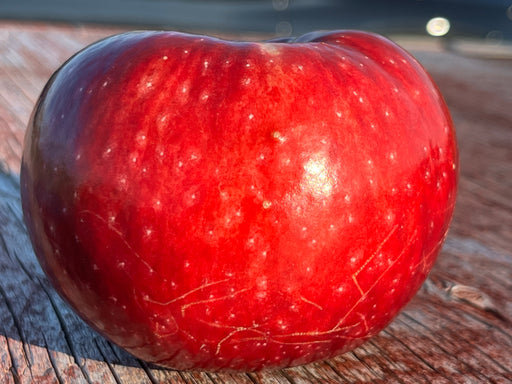
Early. Crunchy. Juicy. The Paula Red is an adorable apple and rather plump in stature. Its calyx is short and often pairs with adjacent apples alon...
View full details
Original price
$35.00
-
Original price
$59.00
Original price
$35.00
-
$59.00
$35.00
-
$59.00
Current price
$35.00
Sold out
Pink Lady® Apple Trees
Original price
$17.00
-
Original price
$59.00
Original price
$17.00
-
$59.00
$17.00
-
$59.00
Current price
$17.00
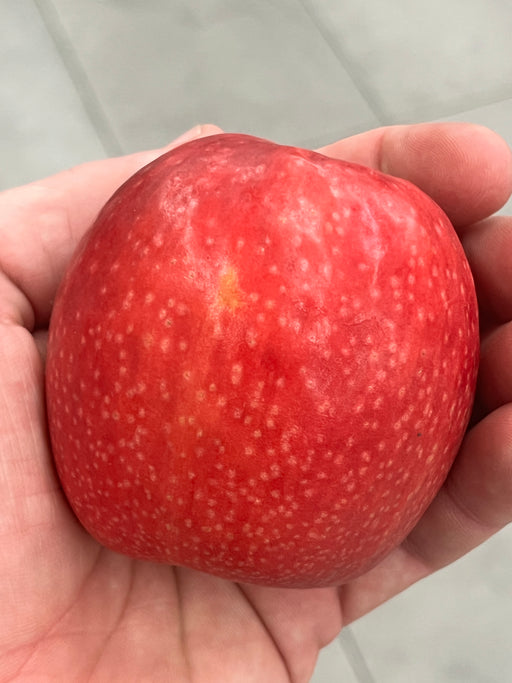
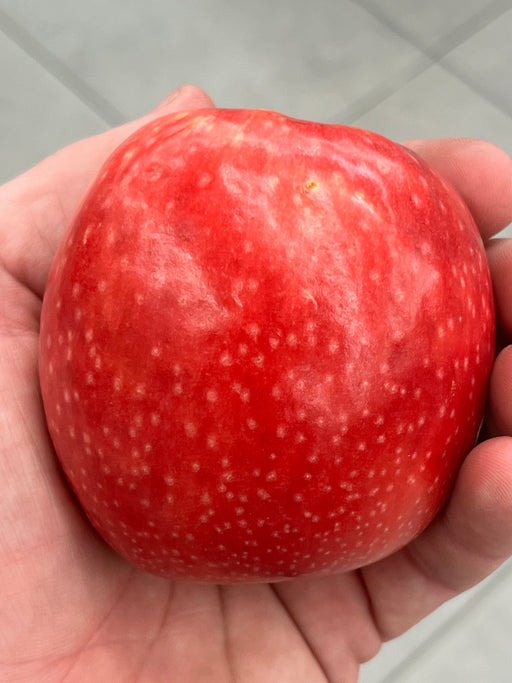
Bred at the Department of Agriculture in Western Australia in 1970 by researcher John Cripps. He crossed the red Australian apple Lady Williams wit...
View full details
Original price
$17.00
-
Original price
$59.00
Original price
$17.00
-
$59.00
$17.00
-
$59.00
Current price
$17.00


Pinova Apple Trees
Original price
$19.00
-
Original price
$59.00
Original price
$19.00
-
$59.00
$19.00
-
$59.00
Current price
$19.00
Germany, 1990s. Cross between Golden Delicious × (Duchess of Oldenburg × Cox’s Orange Pippin). Excellent eater with crisp flesh and striated skin. ...
View full details
Original price
$19.00
-
Original price
$59.00
Original price
$19.00
-
$59.00
$19.00
-
$59.00
Current price
$19.00
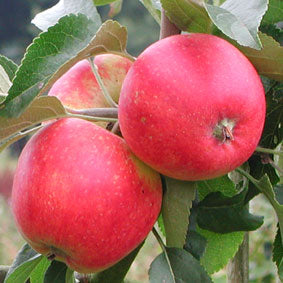
Pixie Crunch™ Apple Trees
Original price
$25.00
-
Original price
$59.00
Original price
$51.00
$25.00
-
$59.00
$25.00
-
$59.00
Current price
$25.00
Pixie Crunch™, or Co-op 33, is a 1971 cultivar of the PRI Institute grown at Purdue University. Descended from the Golden Delicious and Red Rome ap...
View full details
Original price
$25.00
-
Original price
$59.00
Original price
$51.00
$25.00
-
$59.00
$25.00
-
$59.00
Current price
$25.00
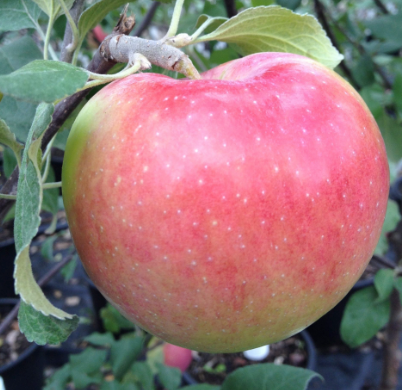
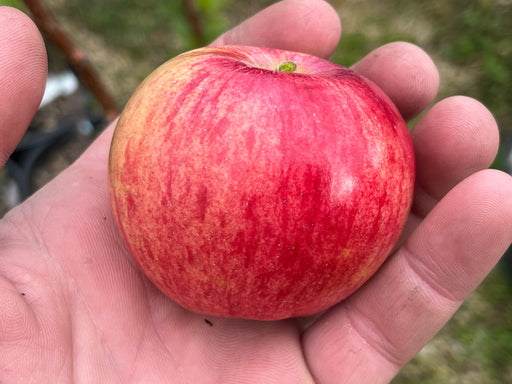
Prairie Magic Apple Tree
Original price
$19.00
-
Original price
$59.00
Original price
$19.00
-
$59.00
$19.00
-
$59.00
Current price
$19.00
The Prairie Magic Apple is a wonderfully cold hardy variety hailing from Jeffries Nurseries in Neepawa, Mantioba. Wilford Drysdale crossed a Goodla...
View full details
Original price
$19.00
-
Original price
$59.00
Original price
$19.00
-
$59.00
$19.00
-
$59.00
Current price
$19.00

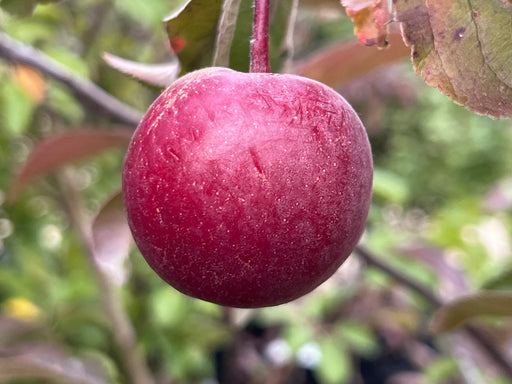
Red King Apple Tree
Original price
$19.00
-
Original price
$249.00
Original price
$19.00
-
$249.00
$19.00
-
$249.00
Current price
$19.00
A relatively newer apple (1950's Riverside, Washington) with the iconic red flesh, the Red King is a distant offspring of the Red Delicious. It ret...
View full details
Original price
$19.00
-
Original price
$249.00
Original price
$19.00
-
$249.00
$19.00
-
$249.00
Current price
$19.00
Red Vein Apple Tree
Original price
$19.00
-
Original price
$99.00
Original price
$19.00
-
$99.00
$19.00
-
$99.00
Current price
$19.00
Description Coming Soon! USDA Zone: 4-8 Mature Height EMLA 7 ~14-17' tall; Semi-dwarf Sun: Full Sun Bloom Group: 4, Late Mid Season Ripening Time:...
View full details
Original price
$19.00
-
Original price
$99.00
Original price
$19.00
-
$99.00
$19.00
-
$99.00
Current price
$19.00

Redfree Apple Tree
Original price
$19.00
-
Original price
$59.00
Original price
$19.00
-
$59.00
$19.00
-
$59.00
Current price
$19.00
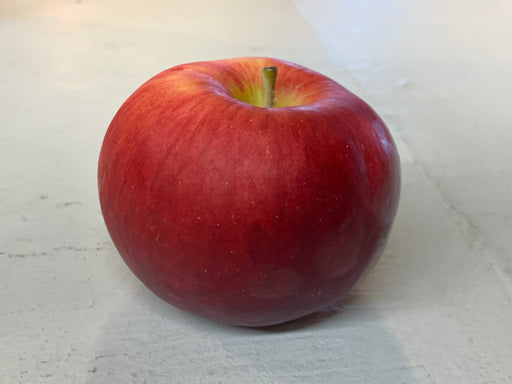
Another apple created by the Purdue, Rutgers, and University of Illinois Agricultural Experimental Station in the 1980s, the Redfree apple was desi...
View full details
Original price
$19.00
-
Original price
$59.00
Original price
$19.00
-
$59.00
$19.00
-
$59.00
Current price
$19.00
Sold out
Royal Empire Apple Tree
Original price
$35.00
-
Original price
$99.00
Original price
$35.00
-
$99.00
$35.00
-
$99.00
Current price
$35.00
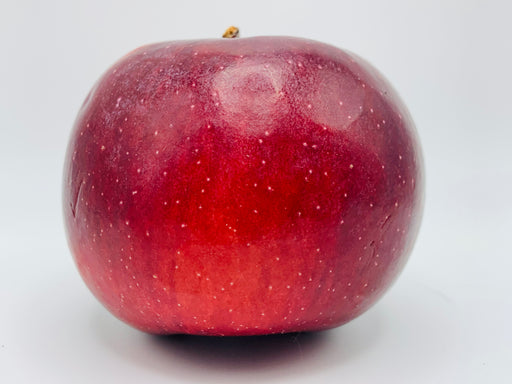
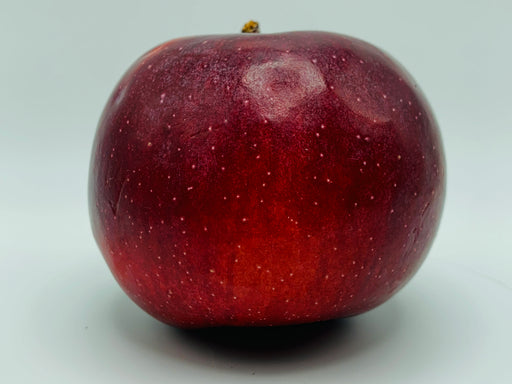
The Royal Empire Apple (REA) is a sport of the popular Empire Apple. First discovered in 1992, this sport has grown to dominate the Empire market. ...
View full details
Original price
$35.00
-
Original price
$99.00
Original price
$35.00
-
$99.00
$35.00
-
$99.00
Current price
$35.00

SnowSweet® Apple Tree
Original price
$19.00
-
Original price
$51.00
Original price
$19.00
-
$51.00
$19.00
-
$51.00
Current price
$19.00
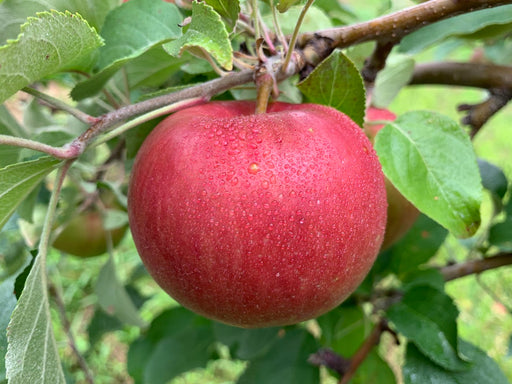
The University of Minnesota introduced this cold hardy apple in 2006 and is a cross between the Sharon and Connell Red apples. It is consistently m...
View full details
Original price
$19.00
-
Original price
$51.00
Original price
$19.00
-
$51.00
$19.00
-
$51.00
Current price
$19.00
Spartan Apple Tree
Original price
$19.00
-
Original price
$79.00
Original price
$19.00
-
$79.00
$19.00
-
$79.00
Current price
$19.00
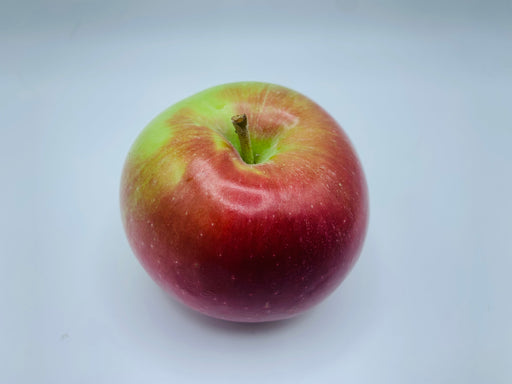
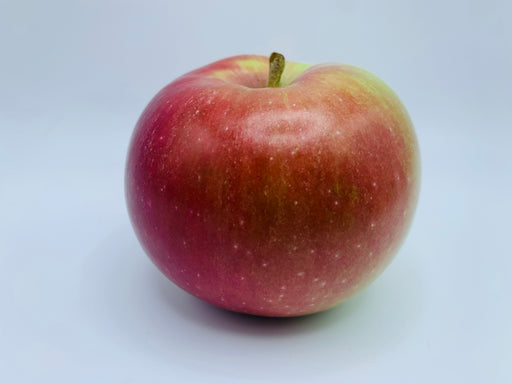
Introduced in 1936 by R.C. Palmer from the Federal Agriculture Research Station (now the Pacific Agri-Food Research Centre) in Summerland, British ...
View full details
Original price
$19.00
-
Original price
$79.00
Original price
$19.00
-
$79.00
$19.00
-
$79.00
Current price
$19.00
State Fair Apple Tree
Original price
$35.00
-
Original price
$59.00
Original price
$35.00
-
$59.00
$35.00
-
$59.00
Current price
$35.00
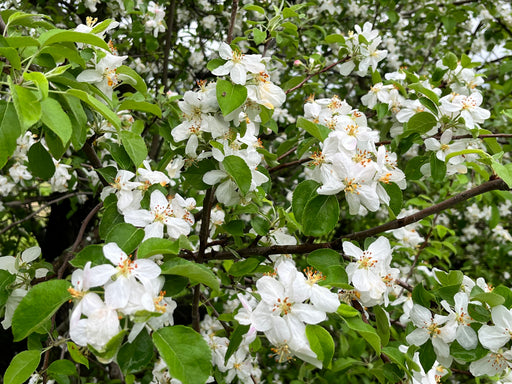
This apple ripens around the time of the Minnesota State Fair, hence the name, and is the parent of another early variety also of UofM: Zestar!®. D...
View full details
Original price
$35.00
-
Original price
$59.00
Original price
$35.00
-
$59.00
$35.00
-
$59.00
Current price
$35.00
Suncrisp® Apple Tree
Original price
$35.00
-
Original price
$59.00
Original price
$35.00
-
$59.00
$35.00
-
$59.00
Current price
$35.00
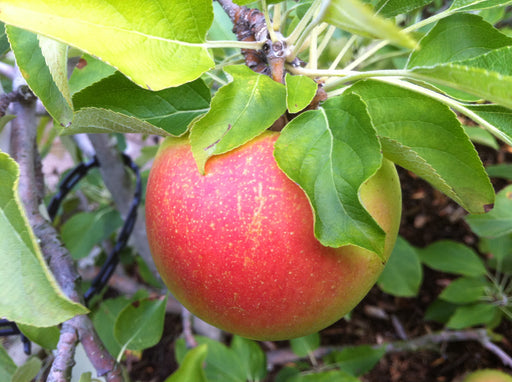
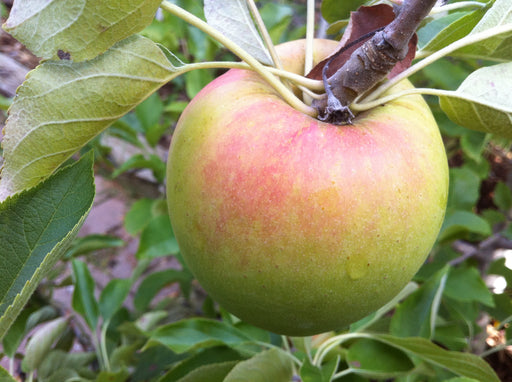
Bred in 1963 at the Rutgers University Horticultural Research Farm by crossing an offspring of Cortland and Cox Orange Pippin with a Golden Delicio...
View full details
Original price
$35.00
-
Original price
$59.00
Original price
$35.00
-
$59.00
$35.00
-
$59.00
Current price
$35.00

Sundance™ Apple Tree
Original price
$35.00
-
Original price
$59.00
Original price
$35.00
-
$59.00
$35.00
-
$59.00
Current price
$35.00
Developed by the PRI cooperative breeding program, Sundance® (Coop 29) is a modern, late-season yellow apple celebrated for its exceptional resista...
View full details
Original price
$35.00
-
Original price
$59.00
Original price
$35.00
-
$59.00
$35.00
-
$59.00
Current price
$35.00

Sunrise Apple Tree
Original price
$19.00
-
Original price
$59.00
Original price
$19.00
-
$59.00
$19.00
-
$59.00
Current price
$19.00
Early ripening apple. Easy to grow but doesn't store well. Good for colder climates. USDA Zone: 4-7 Mature Height: Bud-10 ~10-12' Tall at Maturity;...
View full details
Original price
$19.00
-
Original price
$59.00
Original price
$19.00
-
$59.00
$19.00
-
$59.00
Current price
$19.00
Sweet Sixteen Apple Tree
Original price
$19.00
-
Original price
$59.00
Original price
$19.00
-
$59.00
$19.00
-
$59.00
Current price
$19.00
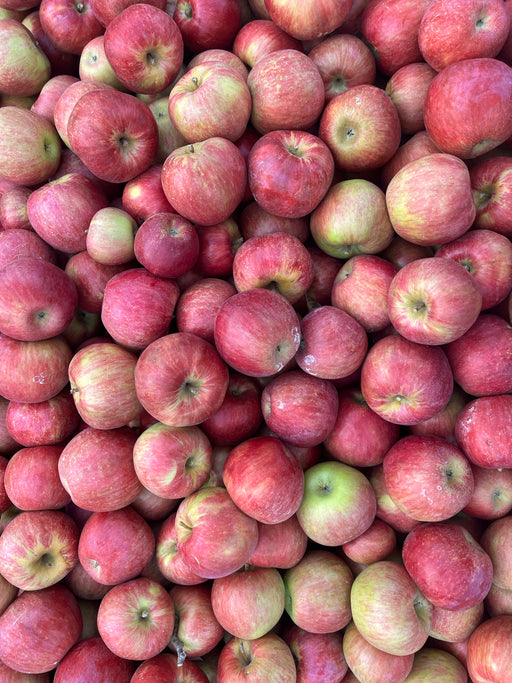
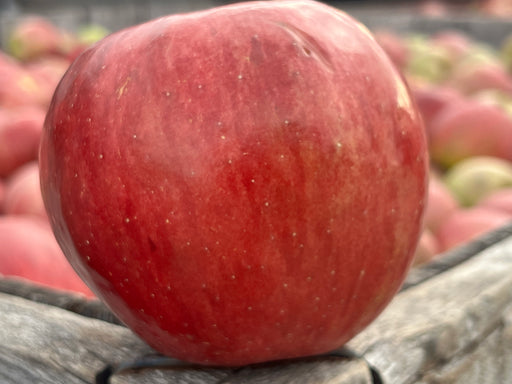
This University of Minnesota variety was introduced in 1977 and is a cross between the Northern Spy and MN 447 (Frostbite) Apples. Commercially via...
View full details
Original price
$19.00
-
Original price
$59.00
Original price
$19.00
-
$59.00
$19.00
-
$59.00
Current price
$19.00

Triumph™ Apple Tree
Original price
$19.00
-
Original price
$59.00
Original price
$19.00
-
$59.00
$19.00
-
$59.00
Current price
$19.00
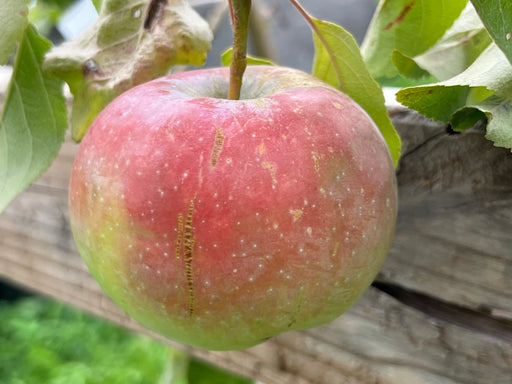
First available in 2021, the Triumph™ apple is a recent University of Minnesota variety. A cross between the Honey Crisp and Liberty apples, the T...
View full details
Original price
$19.00
-
Original price
$59.00
Original price
$19.00
-
$59.00
$19.00
-
$59.00
Current price
$19.00
William's Pride Apple Tree
Original price
$35.00
-
Original price
$59.00
Original price
$35.00
-
$59.00
$35.00
-
$59.00
Current price
$35.00
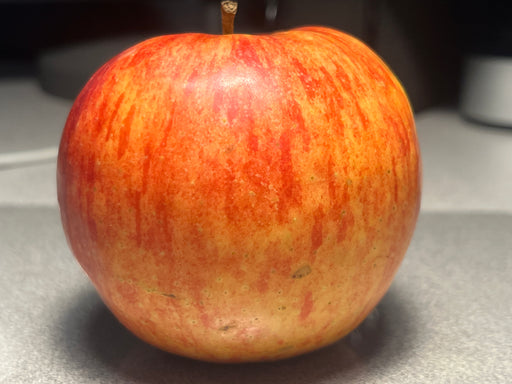
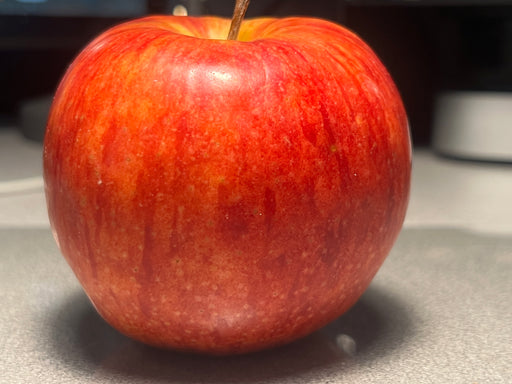
First developed at Purdue University Breeding Program in the 1970s and released to the public in 1988, the PRI2845-1 apple is another excellent exa...
View full details
Original price
$35.00
-
Original price
$59.00
Original price
$35.00
-
$59.00
$35.00
-
$59.00
Current price
$35.00
WineCrisp™ Apple Tree
Original price
$19.00
-
Original price
$99.00
Original price
$19.00
-
$99.00
$19.00
-
$99.00
Current price
$19.00
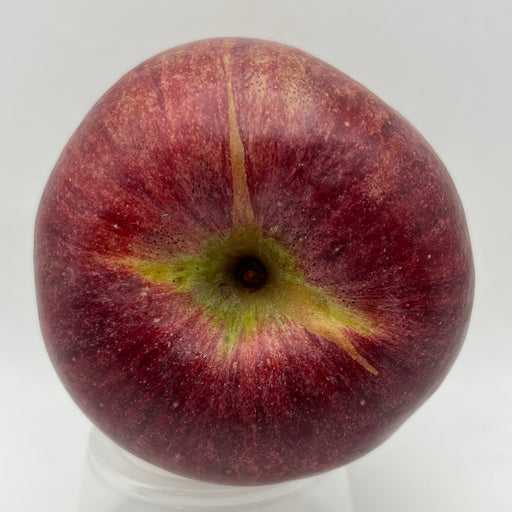
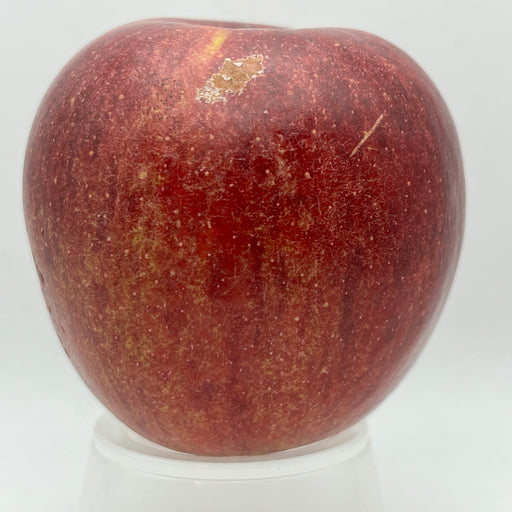
The original seeding to yield the WineCrisp™ apple tree was first crossed in 1969 by L.F. Hough at Rutgers University; he used the unremarkably nam...
View full details
Original price
$19.00
-
Original price
$99.00
Original price
$19.00
-
$99.00
$19.00
-
$99.00
Current price
$19.00