
Pear Trees
Pears are the fruit of the refined. Pears take patience and trust to grow and usually take a couple years longer than apples to fruit. Pears need heat. They typically require a warmer climate to ripen and soften. However, with modern innovations and heirloom practices, pears can now be grown down to Zone 3. These breakthroughs give pears as much flexibility and availability as apples. They are the perfect addition to any orchard, large or small.
- Trees must be planted in well drained soil. Consider testing your soil to ensure best compatibility for the trees of your choice.
- 6 hours of sunlight Full sun preferred
- Stake all trees for the first 2 years. Dwarfs must have permanent stakes
- Tree guards should be used
- Check for cross pollination requirements
- Plant disease resistant trees for less maintenance
Our at time of sale sizes you can choose from (based on availability) are:
Bare Root Petite: Our smallest tree, 1-3' tall or 3/8" caliper less than 2 years in age.
Bare Root Maiden: 2 years old, 3-5' or 1-2" caliper and are branchless (also referred to as a "whip".)
Bare Root Field Ready: 2-3 years old, 5-6' or 5/8" caliper and might have some lateral branching, are thicker above the graft, and will bear in 1-2 years.
Bare Root Hand Select: 3 year old trees, 6-9' tall or 3/4" caliper (or based on availability 1" caliper), can be branched and fruit in about a year.
Container: Branched, rooted in pots, and often larger trees anywhere from 5-12'. Available for pick-up at our Gays Mills, WI location and delivery within 200 miles to our noted zones (See our Spee-Dee Shipping Partner Service Area Map).
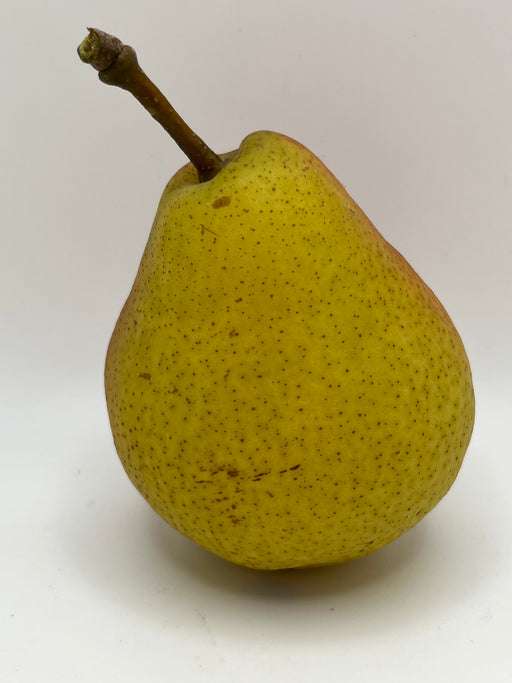
Ayers Pear Tree
Original price
$25.00
-
Original price
$79.00
Original price
$25.00
-
$79.00
$25.00
-
$79.00
Current price
$25.00
The Ayers pear (Pyrus communis 'Ayers') is a medium-sized pear cultivar that is commonly grown in the United States. It was developed in Georgia by...
View full details
Original price
$25.00
-
Original price
$79.00
Original price
$25.00
-
$79.00
$25.00
-
$79.00
Current price
$25.00
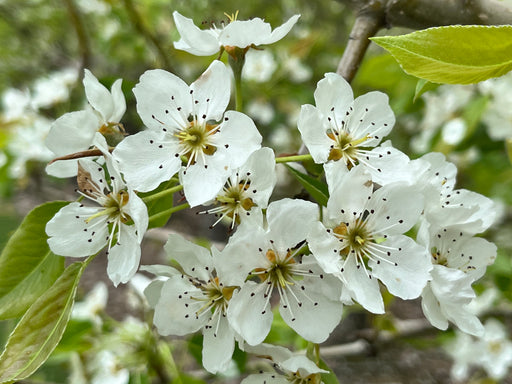
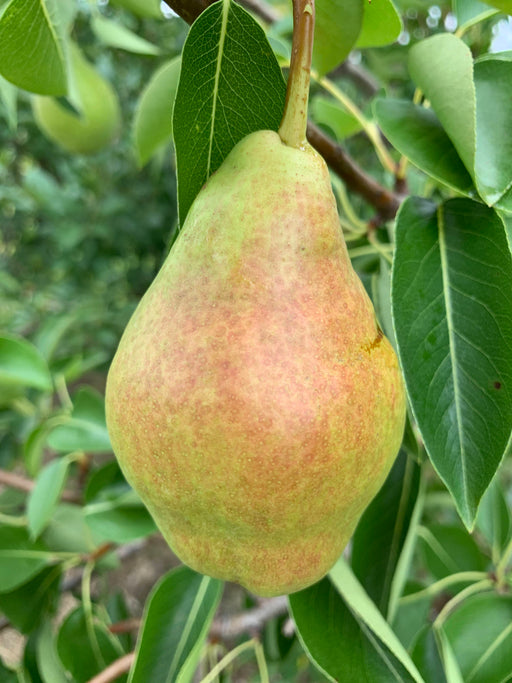
Bartlett Pear Tree
Original price
$25.00
-
Original price
$149.00
Original price
$25.00
-
$149.00
$25.00
-
$149.00
Current price
$25.00
First discovered as a chance seedling in southern England in 1770 by a gentleman named John Stair. First imported to the US in 1790 and planted on ...
View full details
Original price
$25.00
-
Original price
$149.00
Original price
$25.00
-
$149.00
$25.00
-
$149.00
Current price
$25.00
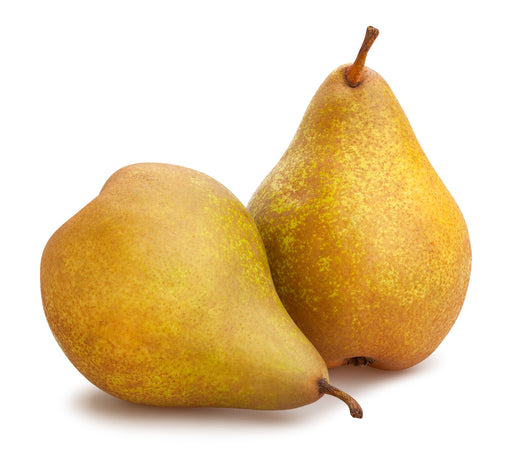
Bosc Pear Tree
Original price
$35.00
-
Original price
$59.00
Original price
$35.00
-
$59.00
$35.00
-
$59.00
Current price
$35.00
Also known as Beurré Bosc Pear originating from France in the early 1800s; Louis Bosc named this pear describing its buttery texture. It is truly b...
View full details
Original price
$35.00
-
Original price
$59.00
Original price
$35.00
-
$59.00
$35.00
-
$59.00
Current price
$35.00
Sold out
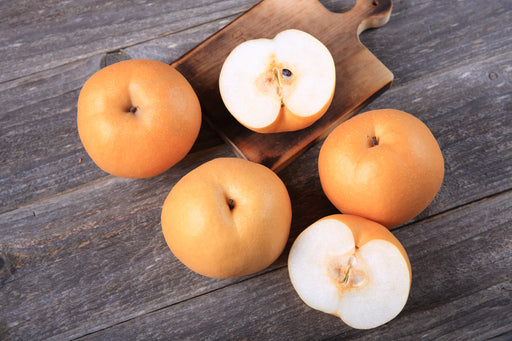
Chojuro Pear Tree
Original price
$41.00
-
Original price
$79.00
Original price
$41.00
-
$79.00
$41.00
-
$79.00
Current price
$41.00
Discovered in Kawasaki, Japan in 1895 appearing redder than other pears nearby. Round and golden in color- the Chojuro pear is similar to other Asi...
View full details
Original price
$41.00
-
Original price
$79.00
Original price
$41.00
-
$79.00
$41.00
-
$79.00
Current price
$41.00
Flemish Beauty Pear Trees
Original price
$25.00
-
Original price
$249.00
Original price
$25.00
-
$249.00
$25.00
-
$249.00
Current price
$25.00
Originally discovered in Deftinge, Belgium during the Napoleonic Wars of 1810 by a Belgian pear 'enthusiast named Jean-Baptiste Van Mons. Van Mons ...
View full details
Original price
$25.00
-
Original price
$249.00
Original price
$25.00
-
$249.00
$25.00
-
$249.00
Current price
$25.00

Gin Pear Tree
Original price
$35.00
-
Original price
$59.00
Original price
$35.00
-
$59.00
$35.00
-
$59.00
Current price
$35.00
English Cider Pear. Generally smaller and greener than other pears. Pears grow in clusters along the entire branch and are almost decorative. Despi...
View full details
Original price
$35.00
-
Original price
$59.00
Original price
$35.00
-
$59.00
$35.00
-
$59.00
Current price
$35.00

Hellen's Early Pear Tree
Original price
$35.00
-
Original price
$59.00
Original price
$35.00
-
$59.00
$35.00
-
$59.00
Current price
$35.00
Early ripening English cider pear. Discovered in the mid 1800s in Gloucestershire, England. lower tannin content makes it ideal for use in making p...
View full details
Original price
$35.00
-
Original price
$59.00
Original price
$35.00
-
$59.00
$35.00
-
$59.00
Current price
$35.00
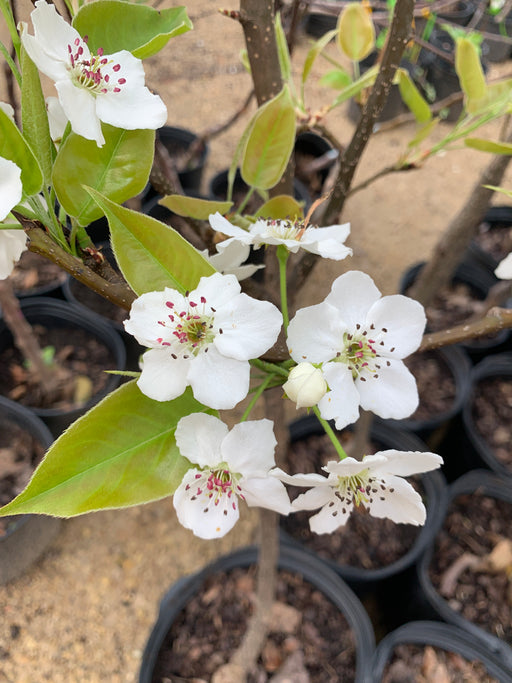
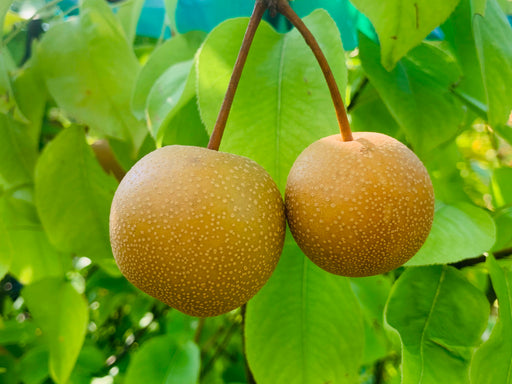
Hosui Asian Pear Tree
Original price
$25.00
-
Original price
$79.00
Original price
$25.00
-
$79.00
$25.00
-
$79.00
Current price
$25.00
Hosui pears are consistent taste-test winners. The golden russeted skin has juicy, sweet, very flavorful flesh. Hosui is a best seller in Japan. Th...
View full details
Original price
$25.00
-
Original price
$79.00
Original price
$25.00
-
$79.00
$25.00
-
$79.00
Current price
$25.00
Kieffer Pear Trees
Original price
$21.00
-
Original price
$249.00
Original price
$21.00
-
$249.00
$21.00
-
$249.00
Current price
$21.00
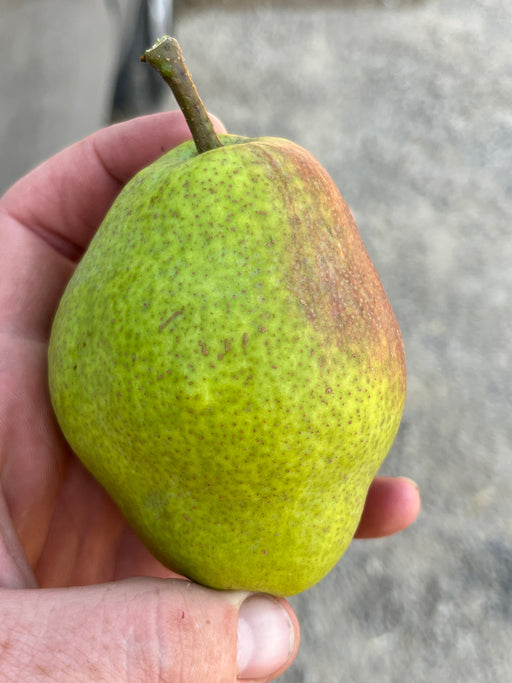
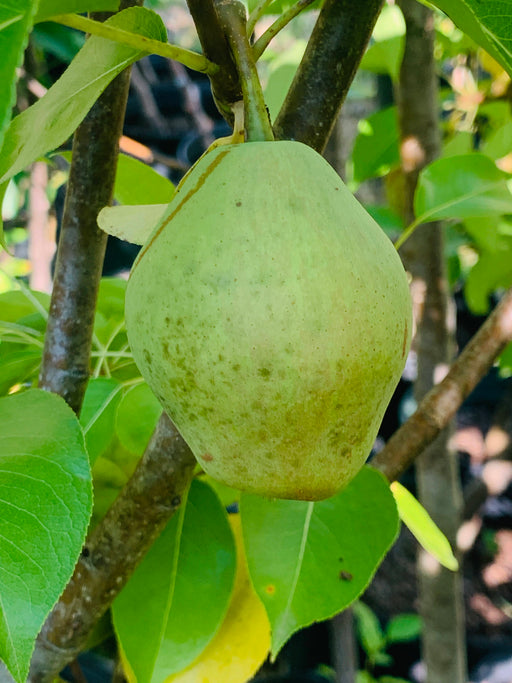
Said to have been discovered in the late 18th century in Philadelphia on a fruit farm owned by Peter Kieffer but now is planted widely across the e...
View full details
Original price
$21.00
-
Original price
$249.00
Original price
$21.00
-
$249.00
$21.00
-
$249.00
Current price
$21.00
Moonglow Pear Trees
Original price
$35.00
-
Original price
$79.00
Original price
$35.00
-
$79.00
$35.00
-
$79.00
Current price
$35.00
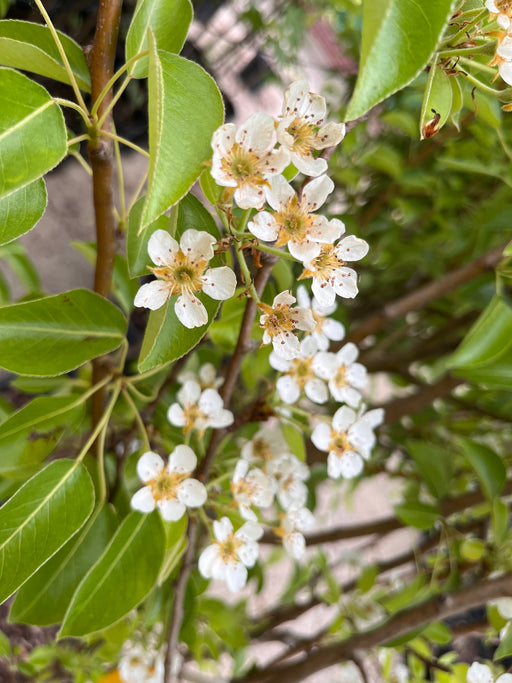
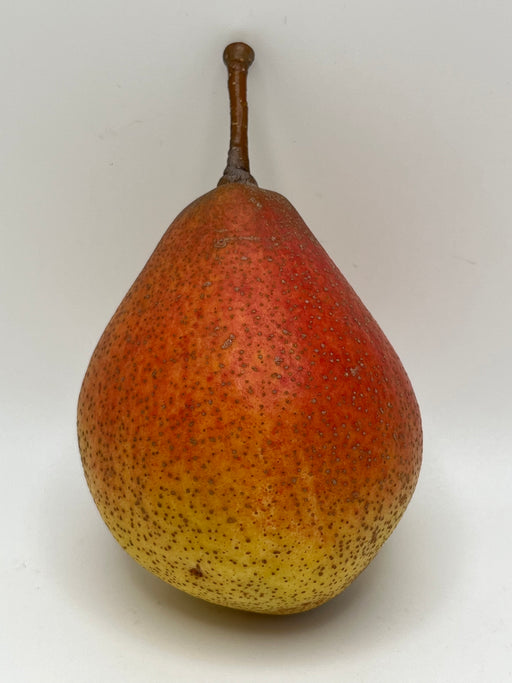
Developed by the USDA in Maryland and released in 1960, the Moonglow Pear’s brownish-green skin covers soft flesh with a sweet mild flavor. It's an...
View full details
Original price
$35.00
-
Original price
$79.00
Original price
$35.00
-
$79.00
$35.00
-
$79.00
Current price
$35.00

Olympic Giant Pear Tree
Original price
$19.00
-
Original price
$79.00
Original price
$19.00
-
$79.00
$19.00
-
$79.00
Current price
$19.00
Massive Asian Pear! Nearly softball size fruit and is incredibly juicy and sweet to eat. USDA Zone: 5-8 (This tree has shown success in growing in ...
View full details
Original price
$19.00
-
Original price
$79.00
Original price
$19.00
-
$79.00
$19.00
-
$79.00
Current price
$19.00
Sold out
Red D'Anjou Pear Tree
Original price
$35.00
-
Original price
$79.00
Original price
$35.00
-
$79.00
$35.00
-
$79.00
Current price
$35.00
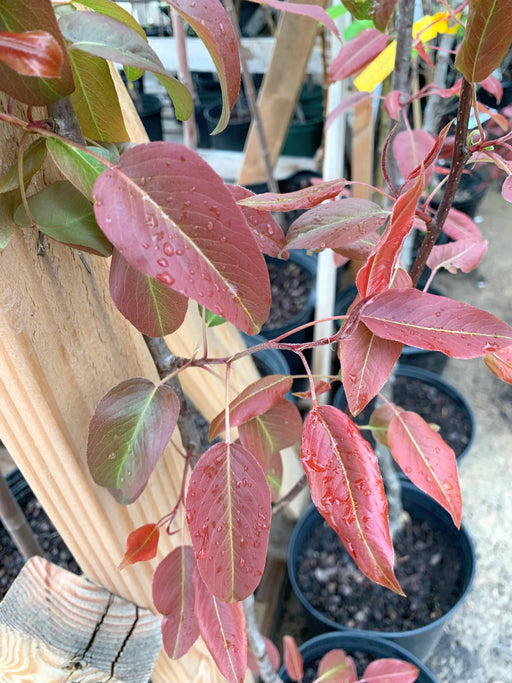
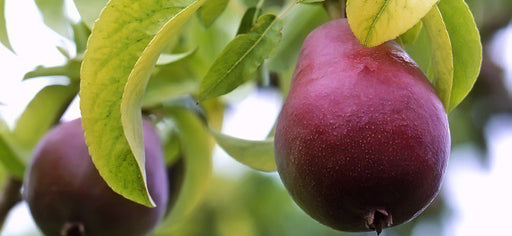
Discovered as a "bud sport", Oregon, 1950's and a second one in the 1970's, Red D'Anjou Pears are large and the flesh is white. and juicy. It is a...
View full details
Original price
$35.00
-
Original price
$79.00
Original price
$35.00
-
$79.00
$35.00
-
$79.00
Current price
$35.00


Reddy Robin® Pear Tree
Original price
$25.00
-
Original price
$79.00
Original price
$25.00
-
$79.00
$25.00
-
$79.00
Current price
$25.00
Scab resistant Asian pear. Slightly russeted and greenish-red in color. Creamy colored flesh. Similarly shaped to other Asian pears. Very sweet. Fi...
View full details
Original price
$25.00
-
Original price
$79.00
Original price
$25.00
-
$79.00
$25.00
-
$79.00
Current price
$25.00
Shinseiki Pear Tree
Original price
$35.00
-
Original price
$79.00
Original price
$35.00
-
$79.00
$35.00
-
$79.00
Current price
$35.00
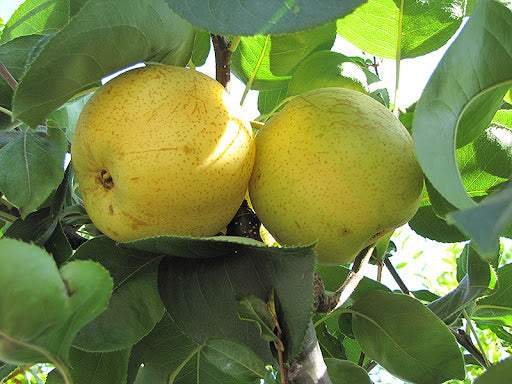
Your standard globular golden Asian pear- the Shinseiki Pear is native to east Asia and Japan. Hardy down to USDA Zone 5, this Pear makes a great a...
View full details
Original price
$35.00
-
Original price
$79.00
Original price
$35.00
-
$79.00
$35.00
-
$79.00
Current price
$35.00
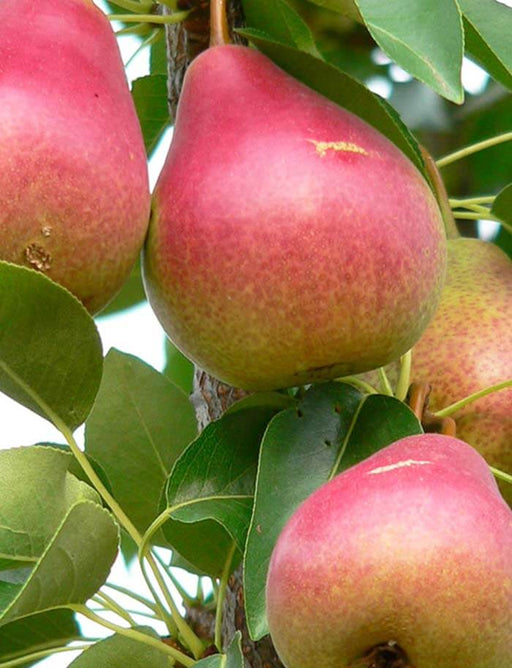
Summercrisp Pear Tree
Original price
$25.00
-
Original price
$149.00
Original price
$25.00
-
$149.00
$25.00
-
$149.00
Current price
$25.00
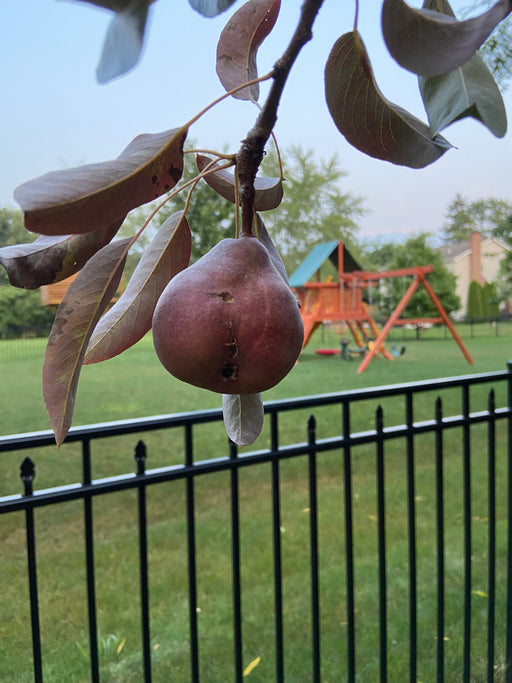
Summercrisp Pear is a cold-hardy, early-season pear introduced by the University of Minnesota, specifically bred for cold climates where most pear ...
View full details
Original price
$25.00
-
Original price
$149.00
Original price
$25.00
-
$149.00
$25.00
-
$149.00
Current price
$25.00