Apple Trees
Our apple trees, like many fruit trees, are propagated by grafting. There are two parts to an apple tree. The scion is the fruiting part of the tree, which gives you the variety of the apple, and the rootstock, which influences the mature size and hardiness of the tree, and determines the time it takes for the tree to fruit. We sell Standard, Semi-Dwarf, Dwarf, and Mini-Dwarf trees that do not require a lot of space and yet, will bear large fruit.
A few key notes on successful planting methods:
- Trees must be planted in well-drained soil
- Six hours of sunlight; full sun preferred
- Stake all trees for the first two years
- Dwarfs must have permanent stakes
- Tree guards should be used
- Plant at least two different apple tree varieties for Cross-Pollination
- Plant disease-resistant trees for less maintenance; we are happy to help make any suggestions you might need
We categorize our apple trees into at least five sizes: Petite, Maiden, Field Ready, Hand Select, and Container depending on the size of the tree. The Petite tree is our smallest graded tree less than 2 years in age; Maiden trees are usually 2 years old and are branchless. These are also called whips and will bear in 2-3 years. A Field Ready tree is 2-3 years old and might have some lateral branching, be thicker above the graft, and will bear in 1-2 years. The Hand Select trees are only about 20% of trees we have and are 3 year old trees, 6-9’ tall and can be heavily branched. You can expect fruiting on a Hand Select tree in about a year.
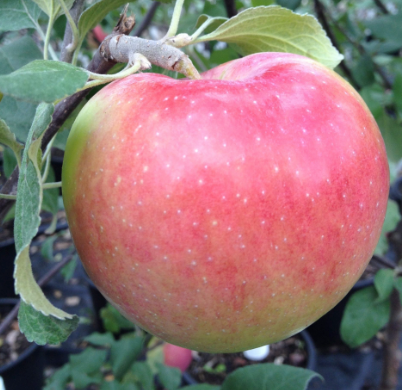
Prairie Magic Apple Tree
Original price
$25.00
-
Original price
$59.00
Original price
$25.00
-
$59.00
$25.00
-
$59.00
Current price
$25.00
The Prairie Magic Apple is a wonderfully cold hardy variety hailing from Jeffries Nurseries in Neepawa, Mantioba. Wilford Drysdale crossed a Goodla...
View full details
Original price
$25.00
-
Original price
$59.00
Original price
$25.00
-
$59.00
$25.00
-
$59.00
Current price
$25.00
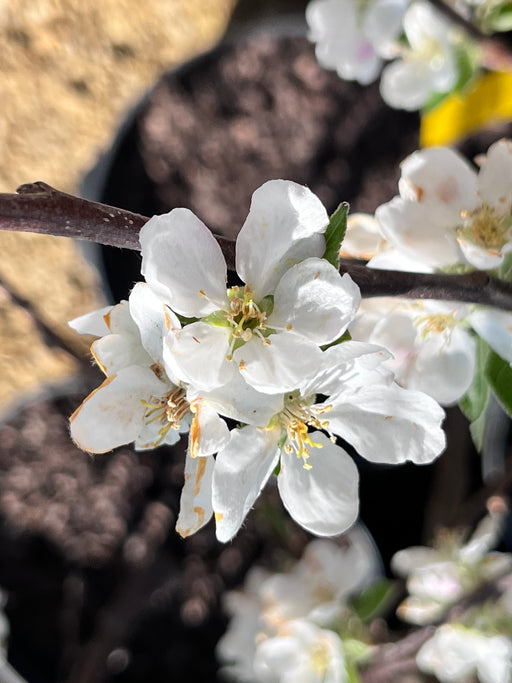
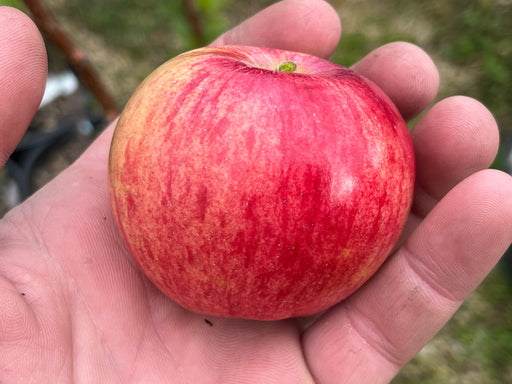
Prima Apple Tree
Original price
$35.00
-
Original price
$99.00
Original price
$35.00
-
$99.00
$35.00
-
$99.00
Current price
$35.00
Originally planted in 1958 at the Illinois Experiment Station in Urbana (a sub-section of the PRI Breeding Program) and was named Coop 2. The 'Prim...
View full details
Original price
$35.00
-
Original price
$99.00
Original price
$35.00
-
$99.00
$35.00
-
$99.00
Current price
$35.00
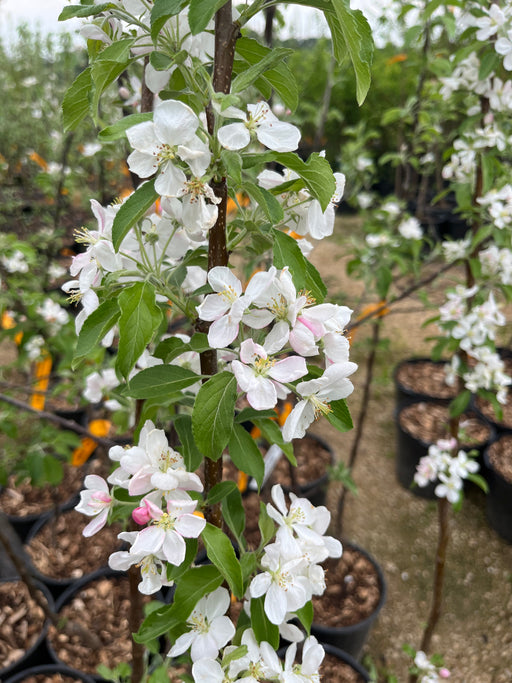
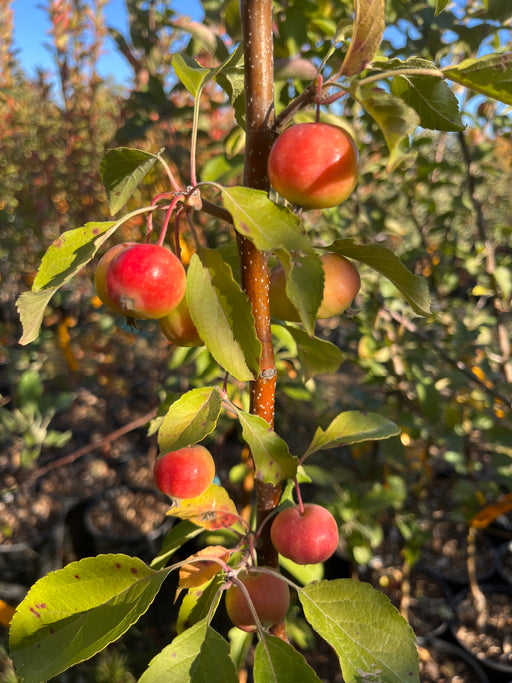
Puget Spice Apple Tree
Original price
$35.00
-
Original price
$59.00
Original price
$35.00
-
$59.00
$35.00
-
$59.00
Current price
$35.00
Introduced in 2012 from the University of Washington, the Puget Spice Apple is much smaller than its parents, the Prima and Alkemene. The apple is ...
View full details
Original price
$35.00
-
Original price
$59.00
Original price
$35.00
-
$59.00
$35.00
-
$59.00
Current price
$35.00
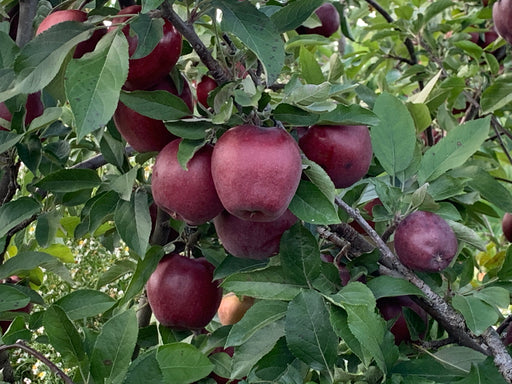
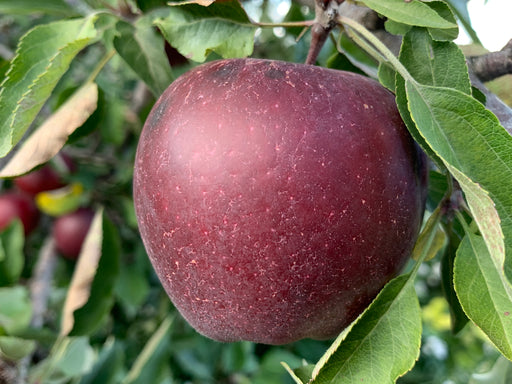
Red Delicious Apple Tree
Original price
$21.00
-
Original price
$99.00
Original price
$21.00
-
$99.00
$21.00
-
$99.00
Current price
$21.00
The Red Delicious is among the most popular of varieties. This particular cultivar of Red Delicious originates from Peru, Iowa in 1872. Since then,...
View full details
Original price
$21.00
-
Original price
$99.00
Original price
$21.00
-
$99.00
$21.00
-
$99.00
Current price
$21.00
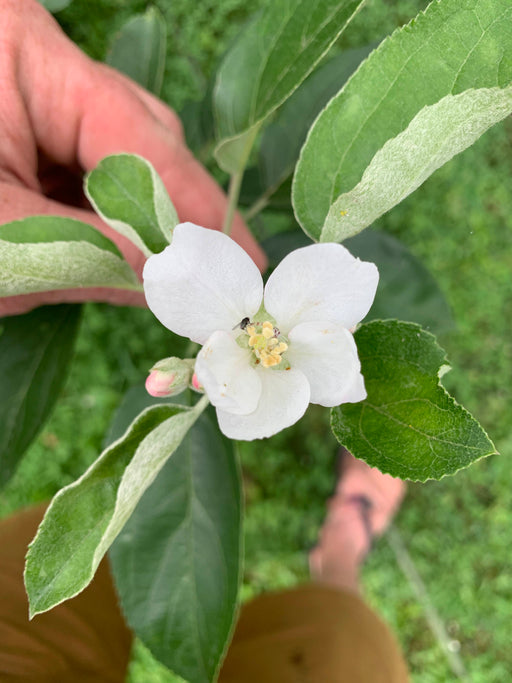
Red Gravenstein Apple Tree
Original price
$41.00
-
Original price
$59.00
Original price
$41.00
-
$59.00
$41.00
-
$59.00
Current price
$41.00
The Red Gravenstein is a sport of the much older Gravenstein Apple. Originally planted in the 1670s, the Gravenstein apple was used as a cooking an...
View full details
Original price
$41.00
-
Original price
$59.00
Original price
$41.00
-
$59.00
$41.00
-
$59.00
Current price
$41.00

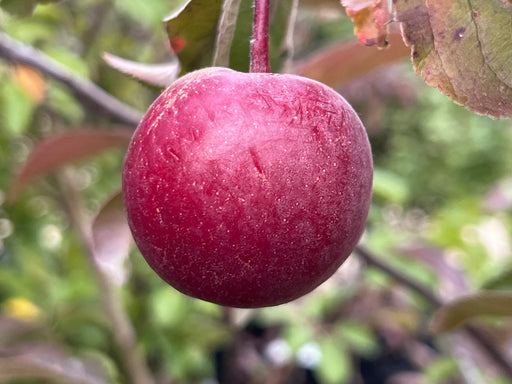
Red King Apple Tree
Original price
$25.00
-
Original price
$249.00
Original price
$25.00
-
$249.00
$25.00
-
$249.00
Current price
$25.00
A relatively newer apple (1950's Riverside, Washington) with the iconic red flesh, the Red King is a distant offspring of the Red Delicious. It ret...
View full details
Original price
$25.00
-
Original price
$249.00
Original price
$25.00
-
$249.00
$25.00
-
$249.00
Current price
$25.00
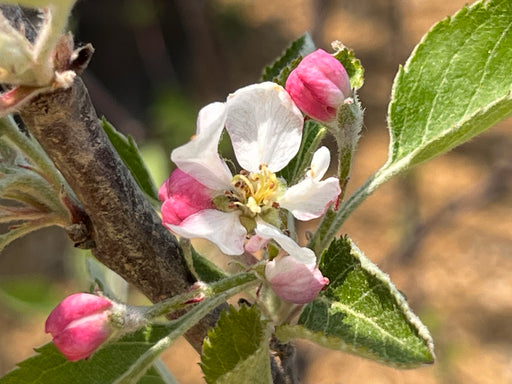
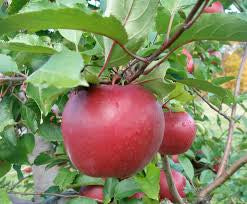
Red Rome Apple Tree
Original price
$35.00
-
Original price
$69.00
Original price
$35.00
-
$69.00
$35.00
-
$69.00
Current price
$35.00
In 1817, Joel Gillet discovered a seedling tree from a nursery delivery and one of his children planted it near the Ohio River in Rome Township. A ...
View full details
Original price
$35.00
-
Original price
$69.00
Original price
$35.00
-
$69.00
$35.00
-
$69.00
Current price
$35.00
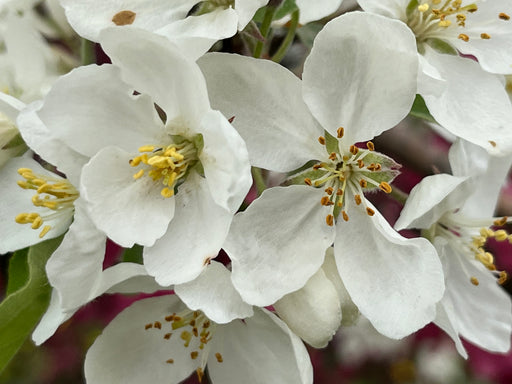
Red Spy Apple Tree
Original price
$35.00
-
Original price
$59.00
Original price
$35.00
-
$59.00
$35.00
-
$59.00
Current price
$35.00
Discovered in New York in 1895 as a sport of the then common Northern Spy Apple. It is larger and redder than its parent yet retains much of the fl...
View full details
Original price
$35.00
-
Original price
$59.00
Original price
$35.00
-
$59.00
$35.00
-
$59.00
Current price
$35.00

Red Vein Apple Tree
Original price
$25.00
-
Original price
$99.00
Original price
$25.00
-
$99.00
$25.00
-
$99.00
Current price
$25.00
Description Coming Soon! USDA Zone: 4-8 Mature Height EMLA 7 ~14-17' tall; Semi-dwarf Sun: Full Sun Bloom Group: 4, Late Mid Season Ripening Time:...
View full details
Original price
$25.00
-
Original price
$99.00
Original price
$25.00
-
$99.00
$25.00
-
$99.00
Current price
$25.00
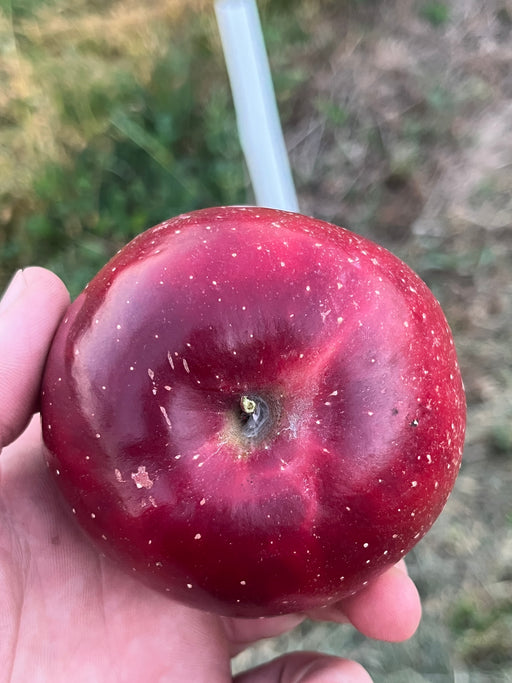
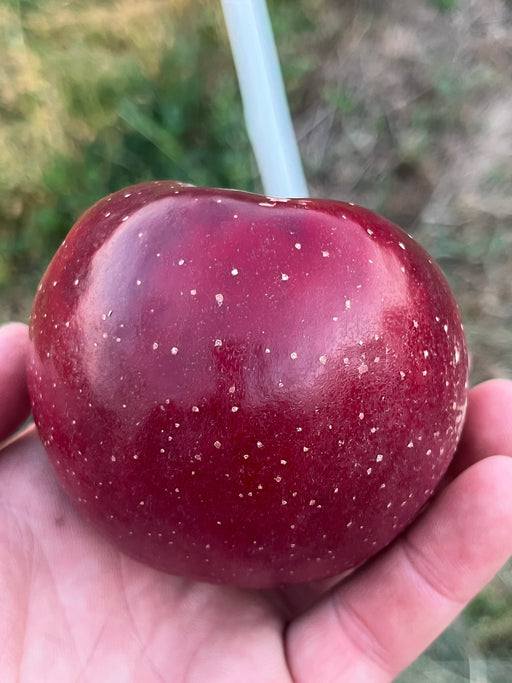
Redfield Apple Apple Tree
Original price
$29.00
-
Original price
$99.00
Original price
$29.00
-
$99.00
$29.00
-
$99.00
Current price
$29.00
First crossed at the NY Agricultural Experimental Station in 1938, the Redfield apple is a cross between the Wolf River and Niedwetzkyana apples. I...
View full details
Original price
$29.00
-
Original price
$99.00
Original price
$29.00
-
$99.00
$29.00
-
$99.00
Current price
$29.00

Redfree Apple Tree
Original price
$25.00
-
Original price
$59.00
Original price
$25.00
-
$59.00
$25.00
-
$59.00
Current price
$25.00
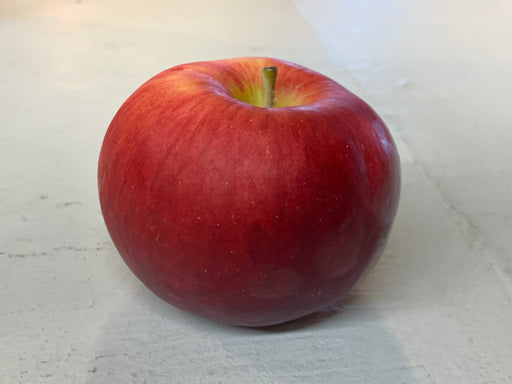
Another apple created by the Purdue, Rutgers, and University of Illinois Agricultural Experimental Station in the 1980s, the Redfree apple was desi...
View full details
Original price
$25.00
-
Original price
$59.00
Original price
$25.00
-
$59.00
$25.00
-
$59.00
Current price
$25.00
Reine de Pomme Apple Tree
Original price
$35.00
-
Original price
$79.00
Original price
$35.00
-
$79.00
$35.00
-
$79.00
Current price
$35.00
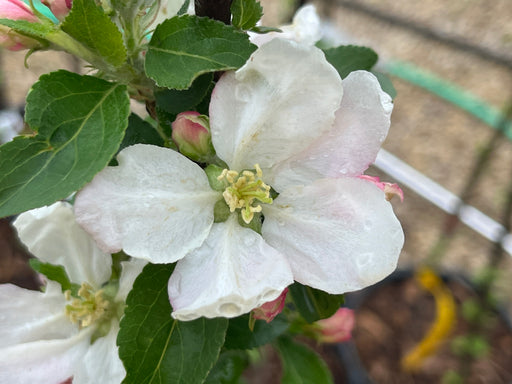
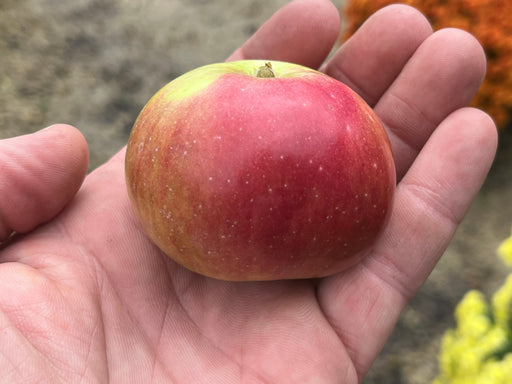
The Reine des Pommes, translated as the "Queen of the Apples," is an archaic French bittersweet cider variety originating from the La Guerche regio...
View full details
Original price
$35.00
-
Original price
$79.00
Original price
$35.00
-
$79.00
$35.00
-
$79.00
Current price
$35.00
Rhode Island Greening Apple Tree
Original price
$35.00
-
Original price
$59.00
Original price
$35.00
-
$59.00
$35.00
-
$59.00
Current price
$35.00
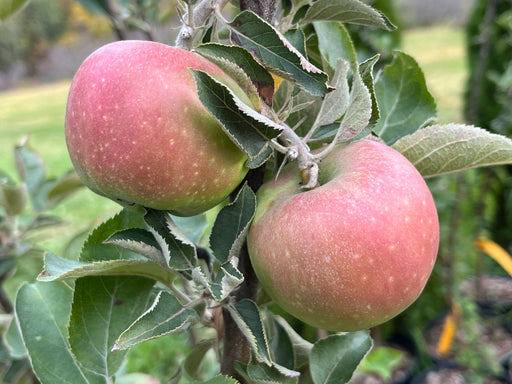
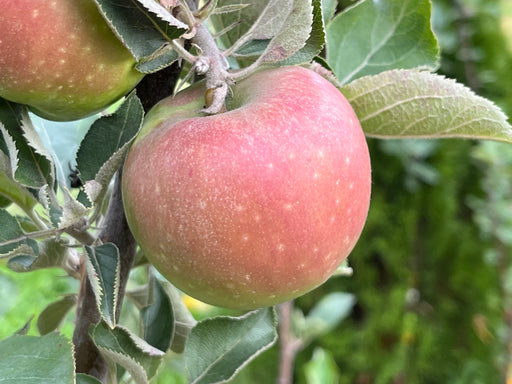
This American heirloom variety can trace its lineage back to Rhode Island in the mid 1650s and was discovered on the farm of a Mr. Green near Middl...
View full details
Original price
$35.00
-
Original price
$59.00
Original price
$35.00
-
$59.00
$35.00
-
$59.00
Current price
$35.00
Royal Empire Apple Tree
Original price
$35.00
-
Original price
$99.00
Original price
$35.00
-
$99.00
$35.00
-
$99.00
Current price
$35.00
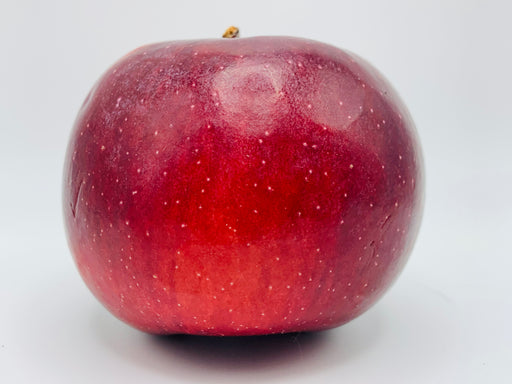
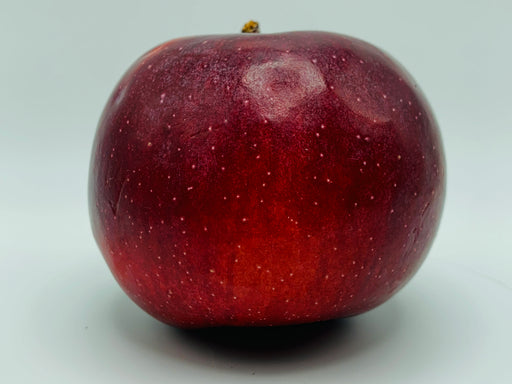
The Royal Empire Apple (REA) is a sport of the popular Empire Apple. First discovered in 1992, this sport has grown to dominate the Empire market. ...
View full details
Original price
$35.00
-
Original price
$99.00
Original price
$35.00
-
$99.00
$35.00
-
$99.00
Current price
$35.00
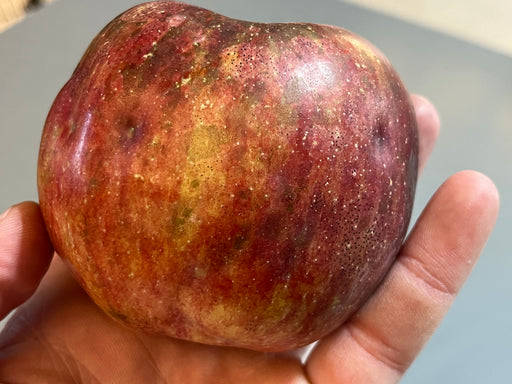
Royal Limbertwig Apple Tree
Original price
$19.00
-
Original price
$59.00
Original price
$19.00
-
$59.00
$19.00
-
$59.00
Current price
$19.00
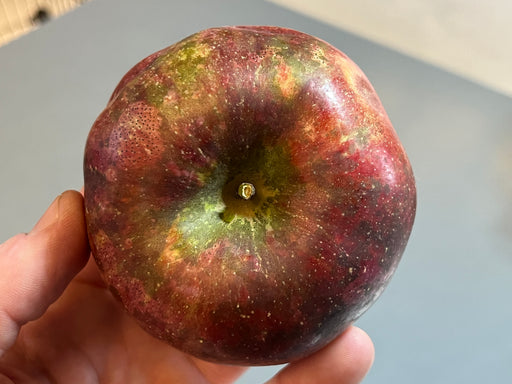
Early 1800s Tennessee cider apple. This variety is one of several Limbertwig variants that have regained popularity in the recent decades. First tr...
View full details
Original price
$19.00
-
Original price
$59.00
Original price
$19.00
-
$59.00
$19.00
-
$59.00
Current price
$19.00
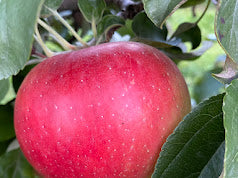

Royal Red Honeycrisp Apple Tree
Original price
$25.00
-
Original price
$179.00
Original price
$25.00
-
$179.00
$25.00
-
$179.00
Current price
$25.00
Similar to its parent, the famous Honeycrisp Apple, the Royal Red Honeycrisp (RRHC) is more uniformly red, sweeter, and has better storage capacity...
View full details
Original price
$25.00
-
Original price
$179.00
Original price
$25.00
-
$179.00
$25.00
-
$179.00
Current price
$25.00
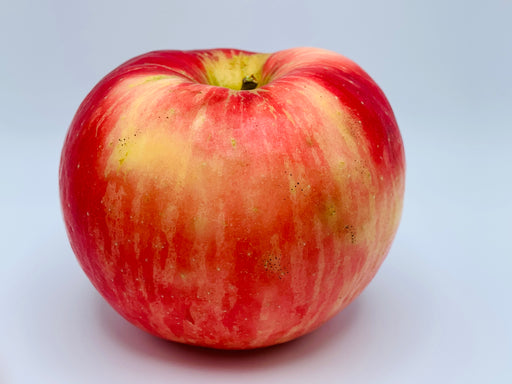
Sansa Apple Tree
Original price
$25.00
-
Original price
$99.00
Original price
$25.00
-
$99.00
$25.00
-
$99.00
Current price
$25.00
Developed in the 1970s at the Morioka Research Station in Japan, the Sansa Apple is a standard cross between the Akane and Gala apples. This early ...
View full details
Original price
$25.00
-
Original price
$99.00
Original price
$25.00
-
$99.00
$25.00
-
$99.00
Current price
$25.00
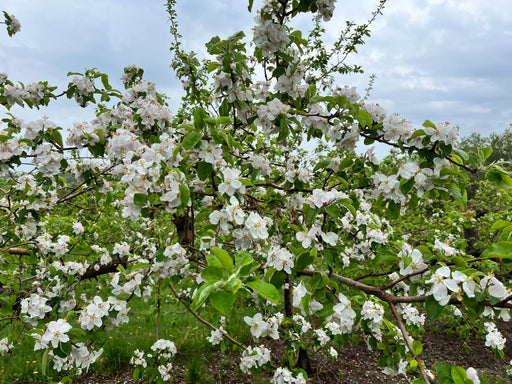
Sierra Beauty Apple Tree
Original price
$35.00
-
Original price
$51.00
Original price
$35.00
-
$51.00
$35.00
-
$51.00
Current price
$35.00
This seedling tree was discovered in the high Sierra Mountains in California and thought to be a left over from the 1840s Gold Rush. Therefore, the...
View full details
Original price
$35.00
-
Original price
$51.00
Original price
$35.00
-
$51.00
$35.00
-
$51.00
Current price
$35.00

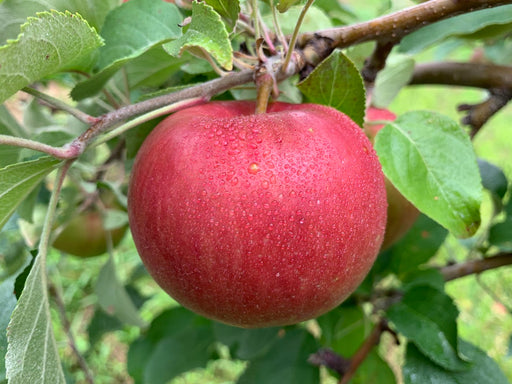
SnowSweet® Apple Tree
Original price
$25.00
-
Original price
$51.00
Original price
$25.00
-
$51.00
$25.00
-
$51.00
Current price
$25.00
The University of Minnesota introduced this cold hardy apple in 2006 and is a cross between the Sharon and Connell Red apples. It is consistently m...
View full details
Original price
$25.00
-
Original price
$51.00
Original price
$25.00
-
$51.00
$25.00
-
$51.00
Current price
$25.00

Somerset Redstreak Apple Tree
Original price
$35.00
-
Original price
$59.00
Original price
$35.00
-
$59.00
$35.00
-
$59.00
Current price
$35.00
The Somerset Redstreak is a premier English cider apple that has been a staple in traditional orcharding since the late 19th century. Originating i...
View full details
Original price
$35.00
-
Original price
$59.00
Original price
$35.00
-
$59.00
$35.00
-
$59.00
Current price
$35.00
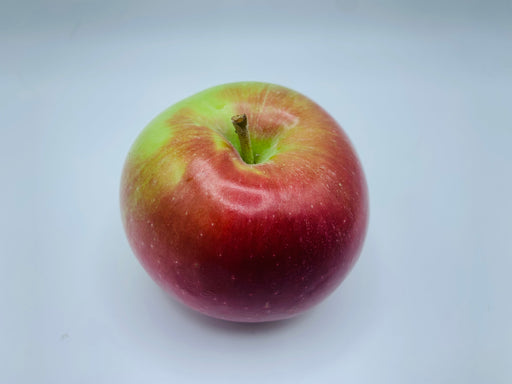
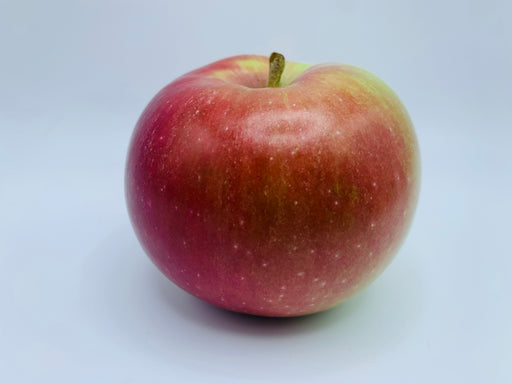
Spartan Apple Tree
Original price
$25.00
-
Original price
$79.00
Original price
$25.00
-
$79.00
$25.00
-
$79.00
Current price
$25.00
Introduced in 1936 by R.C. Palmer from the Federal Agriculture Research Station (now the Pacific Agri-Food Research Centre) in Summerland, British ...
View full details
Original price
$25.00
-
Original price
$79.00
Original price
$25.00
-
$79.00
$25.00
-
$79.00
Current price
$25.00

Spencer Apple Tree
Original price
$25.00
-
Original price
$59.00
Original price
$25.00
-
$59.00
$25.00
-
$59.00
Current price
$25.00
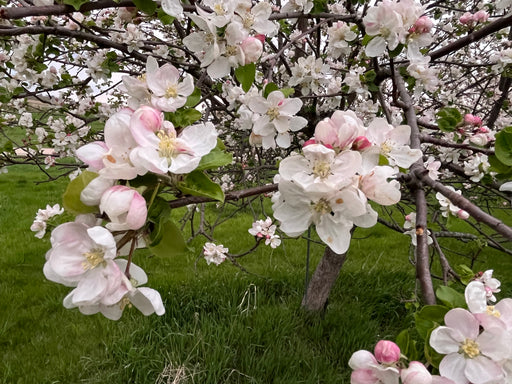
The Spencer apple tree is a classic Canadian variety developed from a cross between McIntosh and Golden Delicious at the Summerland Experimental St...
View full details
Original price
$25.00
-
Original price
$59.00
Original price
$25.00
-
$59.00
$25.00
-
$59.00
Current price
$25.00
St. Martin Apple Tree
Original price
$35.00
-
Original price
$99.00
Original price
$41.00
$35.00
-
$99.00
$35.00
-
$99.00
Current price
$35.00
Bittersweet Vintage French Cider Apple. Mute red in color with creamy colored flesh. Ingredient in Calvados. Can be used as independent cider or bl...
View full details
Original price
$35.00
-
Original price
$99.00
Original price
$41.00
$35.00
-
$99.00
$35.00
-
$99.00
Current price
$35.00
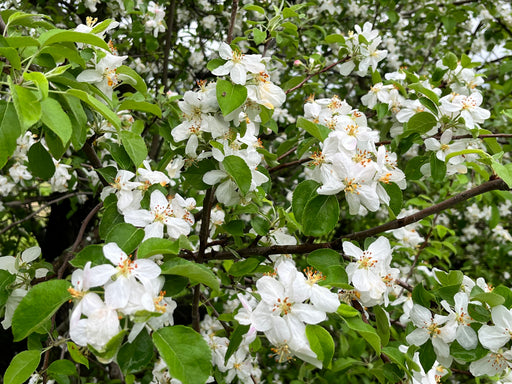
State Fair Apple Tree
Original price
$25.00
-
Original price
$59.00
Original price
$25.00
-
$59.00
$25.00
-
$59.00
Current price
$25.00
This apple ripens around the time of the Minnesota State Fair, hence the name, and is the parent of another early variety also of UofM: Zestar!®. D...
View full details
Original price
$25.00
-
Original price
$59.00
Original price
$25.00
-
$59.00
$25.00
-
$59.00
Current price
$25.00